
The Oura Ring 4 remains the market leader in all-round smart rings, but alternatives like RingConn Gen 2 are gaining ground due to their simplicity, affordability, and long-term usability, highlighting a shift towards more practical health tracking devices without ongoing costs.
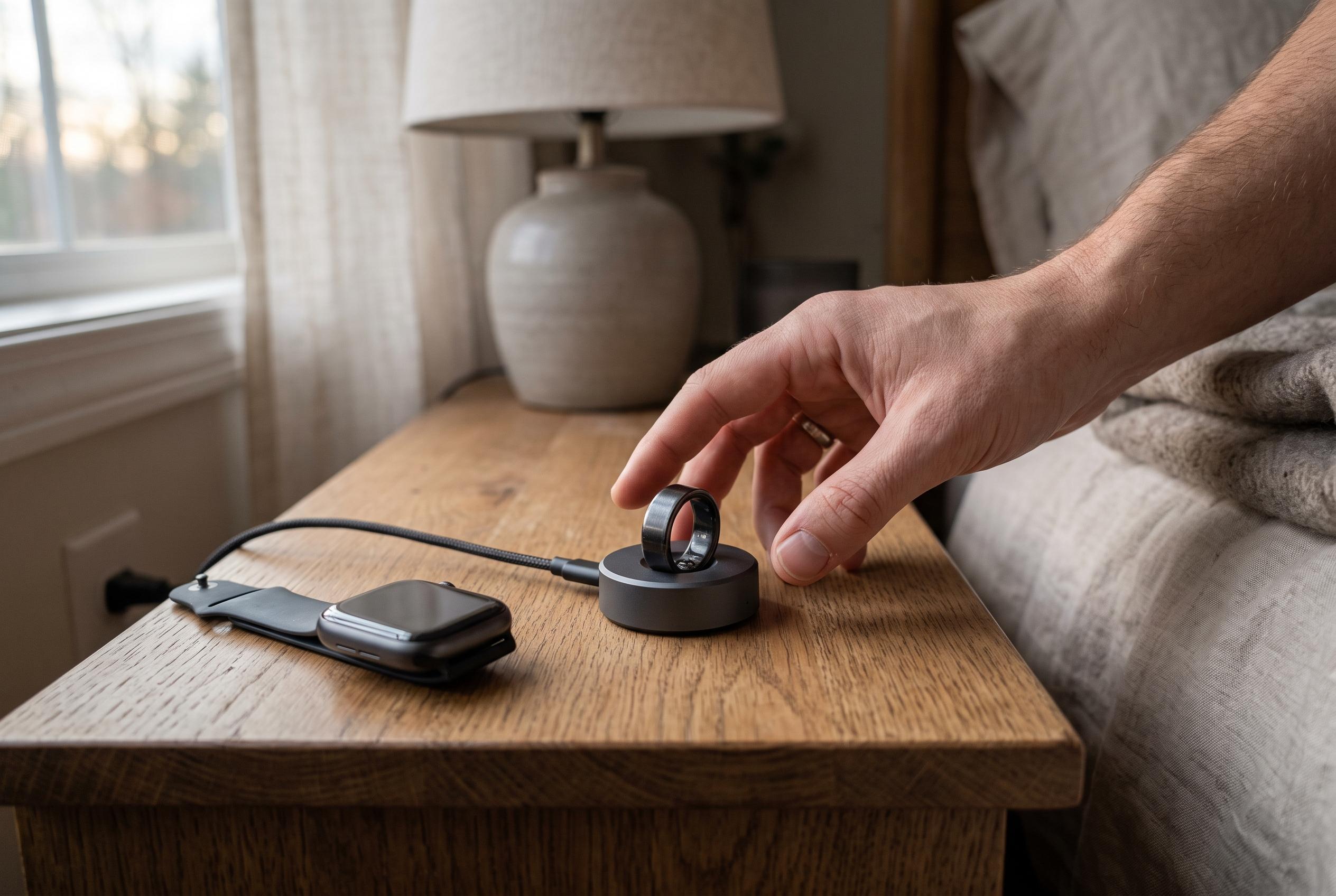
The Oura Ring 4 remains the clearest all-round option in this field, but the best choice depends less on brand name than on how well a ring fits, how useful its app is, and whether you are willing to pay for ongoing access to full features. For readers who want a more sleep-focused wearable, RingConn’s Gen 2 has emerged as the strongest alternative in several recent round-ups, particularly because it is comfortable to wear for long periods and avoids a subscription fee. That contrast matters because smart rings are most valuable when they can stay on the finger day and night without becoming inconvenient or expensive to maintain.
Tom’s Guide has described the Oura Ring 4 as the market’s current benchmark, pointing to its all-titanium body, recessed sensors and new smart sensing system, which selects from multiple data paths to improve measurement quality. The same review says the ring is thinner and lighter than before, supports more finger sizes and can last for up to eight days on a charge, while the refreshed Oura app now organises health data into clearer sections and adds tools such as daytime stress tracking and AI-guided advice. The trade-off is cost: full use still requires a monthly membership, and, as the publication notes, step tracking remains less ambitious than what top smartwatches offer.
By contrast, RingConn Gen 2 Air is increasingly viewed as the most practical Oura alternative for buyers who want straightforward health and sleep tracking without a subscription. Tom’s Guide says it offers strong battery life, broad phone compatibility and a lighter ownership burden, while also noting that the legal disputes surrounding Oura have narrowed the pool of competing smart rings available in the United States. That legal backdrop is relevant for shoppers because support, availability and long-term software access can matter as much as the hardware itself.
The choice also depends on how much detail the companion software gives you. A ring that merely promises broad wellness monitoring is harder to judge than one with a clearly defined app experience and identifiable strengths. Oura’s recent software changes have been aimed at making daily insights easier to interpret, while RingConn’s appeal rests more on simple, subscription-free wearability. For some readers, that simplicity will be enough; for others, especially those who want richer trend analysis or more polished guidance, the more mature Oura platform may justify its cost.
There is also a growing split between general-purpose rings and more specialised models. Some newer listings emphasise vibration alerts or cycle prediction, but those functions only matter if they solve a specific need. A cycle estimate is not a medical diagnosis, and notification-style features are only useful if they work reliably on your phone and suit the way you already use wearables. In practical terms, the most sensible buying rule is still the simplest: check the exact model, confirm the fit, review the app, and decide whether the monthly ownership cost is justified by the data you will actually use.
Disclaimer: This content is intended for informational purposes only. Readers are advised to exercise their own judgement, conduct due diligence, or consult a qualified expert before acting on any information provided.