

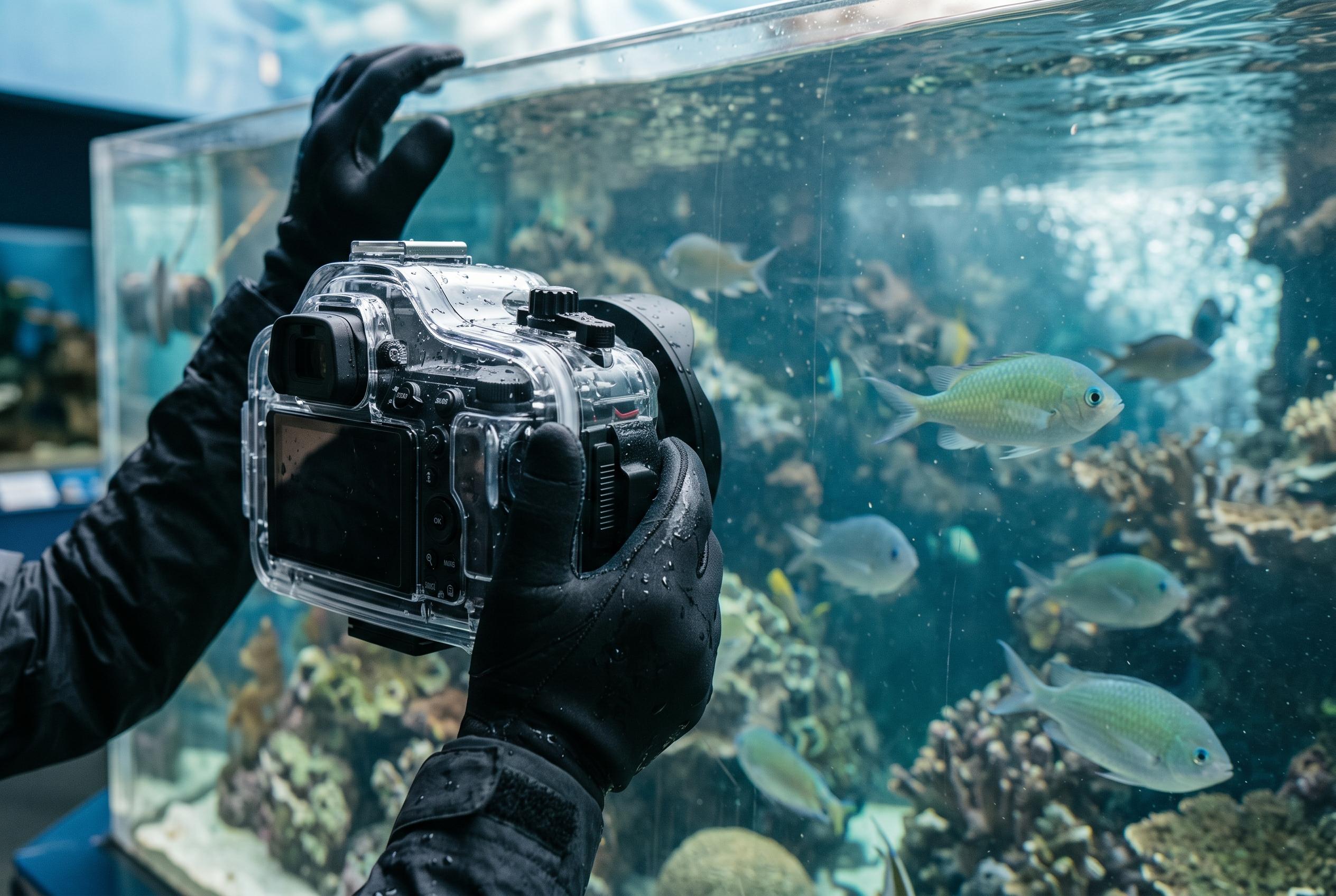

Nikon’s new Z5IIC camera features a unique aquatic mode with fish subject detection, signalling a significant refinement in autofocus technology for challenging conditions and specialised shooting scenarios.
Nikon’s Z5IIC has arrived with one of the most unusual autofocus additions seen in a mainstream full-frame camera: fish subject detection. According to Nikon’s launch material, the model is aimed at photographers who want a user-friendly body with broadened subject recognition, while the aquatic mode has become the feature attracting the most attention because it appears nowhere else in the company’s current line-up. That makes the Z5IIC less of a niche curiosity than it first sounds. In practice, the setting hints at a wider refinement of Nikon’s autofocus tuning, particularly in scenes where contrast is poor and subjects are difficult to isolate.
The logic behind the feature is straightforward. Fish are often photographed in dim, low-contrast environments, whether in aquariums, estuaries or open water, and that is exactly the kind of setting that stresses autofocus systems. Digital Camera World noted that Nikon’s implementation sits alongside the camera’s other subject-detection tools and is intended to improve recognition of aquatic life in conditions that can confuse more generic tracking modes. In other words, the fish option is not simply a novelty; it is a specialised test case for the camera’s broader AF behaviour.
Early user testing suggests the feature is more capable than its odd label implies. In a field report from Singapore Oceanarium, the Z5IIC was used with 3D tracking enabled and fish detection engaged across subjects ranging from jellyfish to lionfish, moray eels, sharks and archer fish. The account said the camera maintained detection with surprising confidence, including on animals moving away from the lens or partially turned from view. It also described the system as effective in very low light and low-contrast scenes, with accurate and precise subject lock throughout the recordings.
That matches the technical emphasis in Nikon’s own positioning. The company says the Z5IIC is intended for a broad audience, from beginners to more experienced users, and its official product pages highlight a full-frame body, subject-detection autofocus and a design meant to be straightforward to use. CameraTimes, in its autofocus review, also pointed to the camera’s 3D tracking and 10-type subject-detection system, suggesting that fish recognition is part of a wider AF package rather than an isolated marketing flourish. The same review said the mode worked well on moving aquatic subjects in difficult lighting.
The Z5IIC is therefore more interesting than a single-spec sheet headline might suggest. For photographers who never intend to shoot fish, the feature still matters because it implies Nikon has been refining detection logic for small, fast or low-contrast targets. For those who do shoot underwater or in public aquariums, it is a practical addition that appears to work as advertised. For everyone else, it is an unusual signal that camera makers are now using highly specific subject modes not only to serve narrow user groups, but also to push autofocus systems into more demanding territory.
Disclaimer: This content is intended for informational purposes only. Readers are advised to exercise their own judgement, conduct due diligence, or consult a qualified expert before acting on any information provided.



