

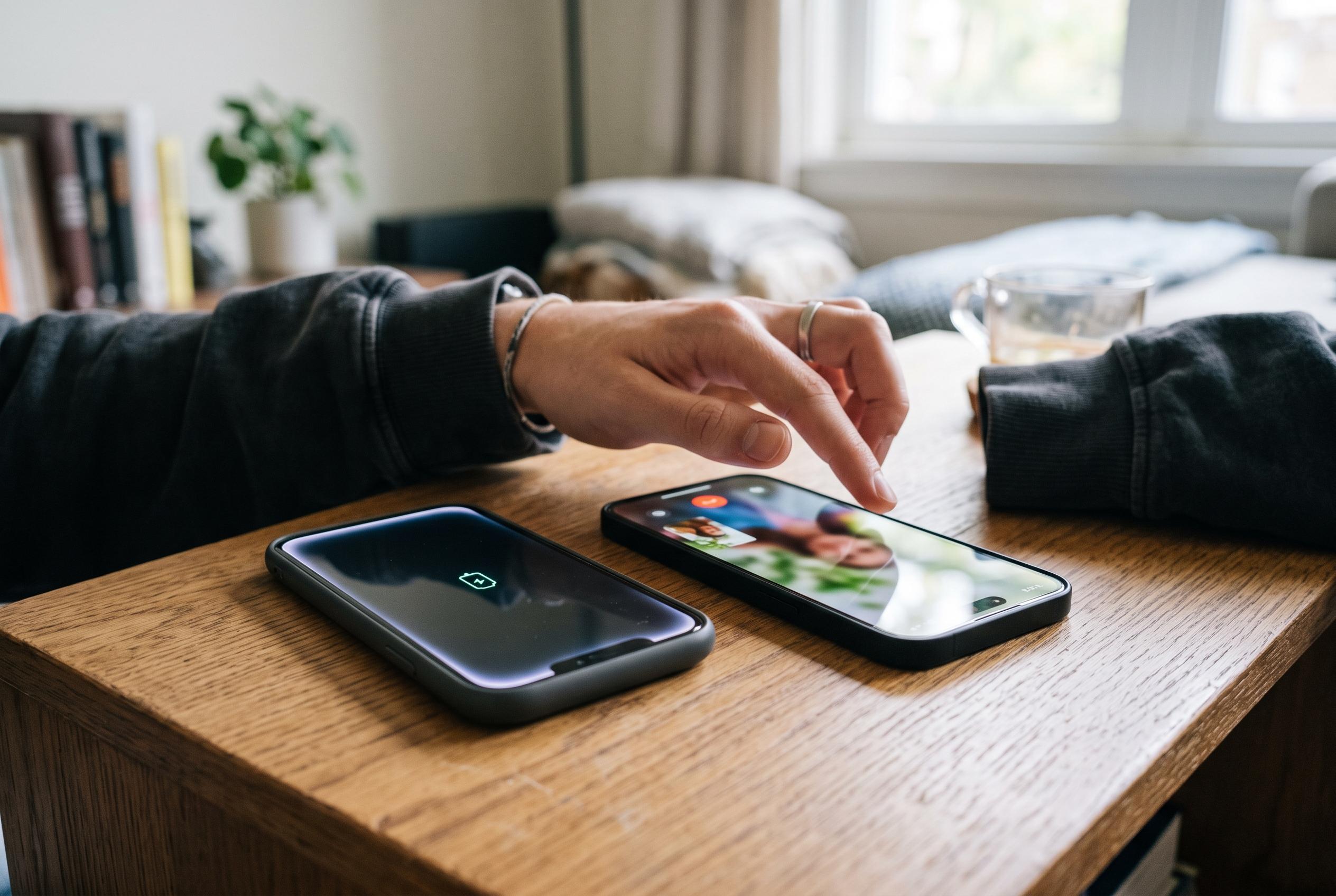

Samsung’s Galaxy A08 4G offers a faster chip, larger battery and six years of updates, while the cheaper Moto G17 counters with a sharper display and stronger selfie camera.
Both the Motorola Moto G17 and Samsung Galaxy A08 4G sit squarely in the entry-level segment, where compromises are expected and value matters more than headline specifications. The comparison published by Oficina da Net places the Samsung model ahead overall, chiefly because it combines a smoother 90Hz screen, a stronger chipset, a larger battery and a much longer update commitment. Even so, the Motorola phone still has a few clear advantages that may matter to buyers focused on display sharpness and selfie quality.
On design, neither handset aims for premium materials. The Moto G17 uses a vegan leather rear panel with plastic sides, while the Galaxy A08 4G is built entirely from plastic. Both carry IP64 protection against dust and splashes, but neither is designed for immersion. Motorola adds Gorilla Glass 3 protection for the display, whereas Samsung does not advertise a similar layer here. The Moto G17 is also slightly lighter at 189 grams, compared with 197 grams for the Galaxy A08 4G.
The display is one of the clearest dividing lines. The Moto G17 uses a 6.72-inch IPS LCD with Full HD+ resolution and a maximum brightness of 1,050 nits, but it is limited to a 60Hz refresh rate. Samsung counters with a 6.7-inch PLS LCD at 90Hz, which should feel smoother in everyday use, although its 720 x 1,600 resolution is much lower. For buyers who value detail, Motorola has the sharper panel; for scrolling and general fluidity, Samsung has the advantage.
Performance also favours the Galaxy A08 4G. According to the comparison data, it uses the MediaTek Helio G99, which outpaces the Helio G81 Extreme found in the Moto G17, particularly in more demanding tasks. Both devices offer 4GB of RAM in their base configurations and storage options up to 256GB, with Samsung also offering an 8GB memory version. In day-to-day use, either should handle messaging, social media and lighter apps adequately, but the Samsung model has more headroom.
Battery life and software support further strengthen Samsung’s position. The Galaxy A08 4G carries a 6,000mAh battery and 25W charging, versus 5,200mAh and 18W on the Moto G17. On software, the Motorola phone arrives with Hello UI based on Android 15 and only two years of security patches, while Samsung says the A08 4G runs One UI 9 based on Android 17 and is due six years of system and security updates. That longer support window is especially important for budget buyers who keep phones for several years.
Cameras present a more mixed picture. Both phones use 50-megapixel main sensors and record video at up to Full HD at 30 frames per second, but Motorola adds a 5-megapixel ultrawide camera, while Samsung opts for a 2-megapixel depth sensor. For selfies, the Moto G17 is the stronger choice thanks to its 32-megapixel front camera, which is far more ambitious than the Galaxy A08 4G’s 8-megapixel unit. The Motorola phone also includes stereo speakers and NFC, while Samsung omits NFC and relies on a more basic feature set.
Price complicates the decision. Oficina da Net notes that the Moto G17 launched at R$1,299 and is now available at roughly R$880, while the Galaxy A08 4G arrived in Brazil at R$1,049 and is currently around R$990. That makes Motorola the cheaper option at present, even though Samsung offers the better overall package. For most buyers, the Galaxy A08 4G is the more balanced recommendation because of its battery, processor and update policy. The Moto G17 still makes sense for those who want the sharper display, the stronger selfie camera and the lowest possible outlay.
Disclaimer: This content is intended for informational purposes only. Readers are advised to exercise their own judgement, conduct due diligence, or consult a qualified expert before acting on any information provided.



