

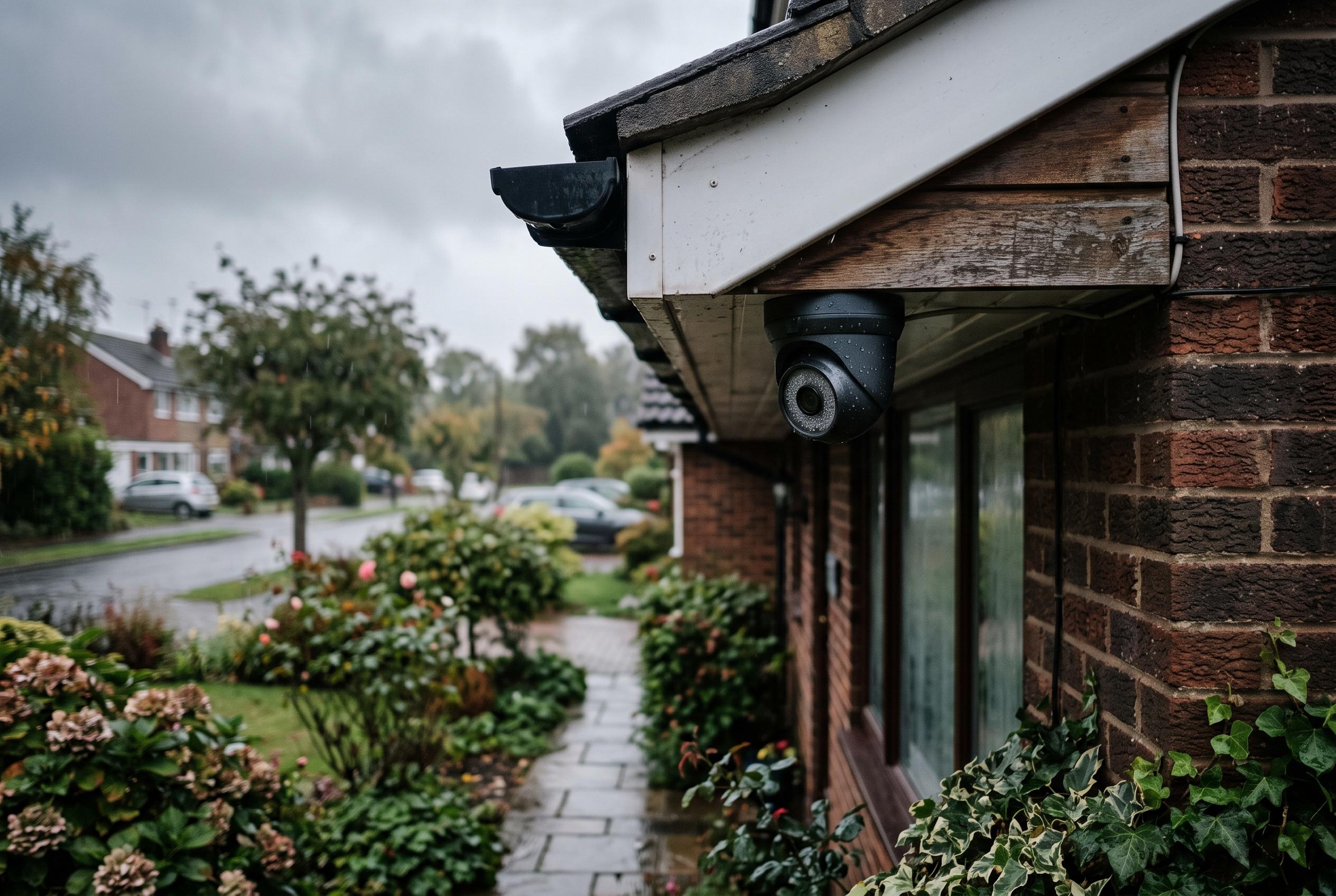

Poor placement, glare, water ingress and untuned motion alerts can undermine outdoor camera footage long before the hardware fails.
Outdoor security cameras are often judged by how they perform in ideal conditions, yet the real test comes when the weather, light and surroundings begin to change. Footage that looks clear at installation can become far less useful once strong sunlight, rain, frost or glare enter the picture. That is why placement, weather protection and regular adjustment matter as much as the camera’s headline specification. According to the TechBullion article, many of the most common failings are not hardware faults at all, but the result of how the device is mounted and maintained.
Light is one of the most decisive factors. Direct sun can create flare, uneven exposure and deep shadow, while a low evening sun may turn a visitor into little more than a silhouette. Night brings its own problems, especially where infrared light bounces off glass, walls or other reflective surfaces. TechBullion notes that colour night vision can add detail when there is enough ambient light, but its performance still depends heavily on the scene and on the camera’s design. In practice, the only reliable way to judge placement is to check the view at different times of day and, where possible, after dark. Industry guides from LVT and Tom’s Guide also stress the importance of night vision and robust outdoor placement when choosing a camera.
Weatherproofing is equally important. Outdoor devices face not only rain and snow, but also dust, UV exposure and thermal stress. Home Protection Basics and CCTV.co.uk both point readers towards ingress protection ratings, with IP65 often treated as a minimum for outdoor use and higher ratings such as IP66 or IP67 offering stronger resistance to water and dust. Those guides also recommend sheltered mounting where possible, such as beneath an eave, so long as the camera still has a clear field of view. The aim is not to hide the camera from the weather entirely, but to reduce direct exposure to runoff, standing water and prolonged harsh conditions.
The lens itself needs routine care. Fine dust, water spots and condensation may not be obvious from ground level, yet they can soften detail enough to make footage harder to use. TechBullion advises cleaning with a suitable soft cloth and avoiding household chemicals that might damage the coating. That advice aligns with weatherproofing guidance from other outdoor-camera specialists, which emphasise checking seals, inspecting housings and watching for fogging or water ingress after heavy rain or temperature swings.
Motion detection also requires tuning rather than leaving at a default setting. A camera looking over a busy road may trigger repeatedly for passing cars, moving branches or changes in light, while a more secluded entrance may need far less aggressive detection. TechBullion recommends using activity zones where available and adjusting sensitivity gradually so that the system catches meaningful movement without burying the user in false alerts. Some modern cameras can distinguish between people, vehicles and general motion, but the accuracy of those systems still depends on distance, lighting and the amount of visual clutter in the frame. Toms Guide likewise highlights motion detection as one of the main buying and installation considerations for outdoor cameras.
Power, connectivity and storage complete the picture. Battery-powered cameras are easier to install, but their runtime will depend on traffic, recording frequency and temperature, with colder weather often reducing battery performance. Solar panels can help, yet only where there is sufficient sunlight and sensible placement. Wired systems avoid charging concerns, though they usually require more careful installation. TechBullion also warns that a weak Wi-Fi signal can delay alerts or interrupt live viewing, so the signal should be tested at the mounting point rather than assumed from indoor coverage. On storage, local recording can reduce subscription costs, while cloud storage offers off-site access, but both need to be reviewed for retention limits and failure risk. The broader message, echoed by Tom’s Guide and LVT, is that outdoor cameras work best when weather resistance, image quality, power, connectivity and storage are planned together, not treated as separate afterthoughts.
Disclaimer: This content is intended for informational purposes only. Readers are advised to exercise their own judgement, conduct due diligence, or consult a qualified expert before acting on any information provided.



