
External thermal camera attachments let iPhone users spot heat loss, damp and electrical faults, but connector compatibility, sensor quality and companion software are crucial to choosing the right device.
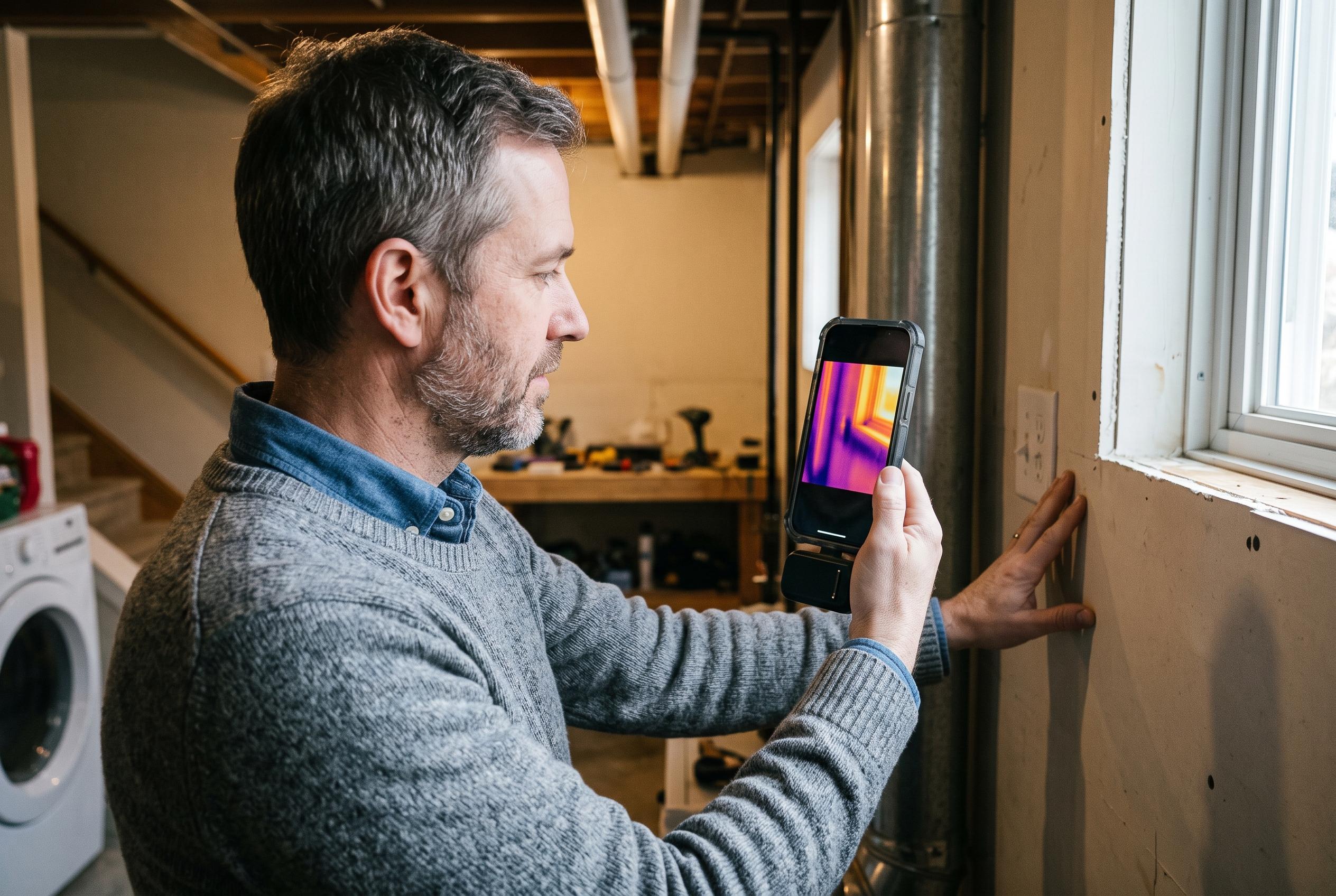
Thermal camera attachments can turn an iPhone into a practical inspection tool, showing heat patterns rather than visible light. For homeowners, electricians and tradespeople, that makes it easier to identify issues such as draughts, damp patches, overloaded circuits and missing insulation without carrying a separate thermal imager. According to Inspect & Test, Apple has not built thermal sensing into any iPhone model, so genuine thermal imaging still depends on external hardware rather than software alone.
That distinction matters because not every product marketed for thermal use is the same. Inspect & Test explains that a phone’s standard cameras cannot detect long-wave infrared radiation, which means a true thermal image requires a dedicated sensor, usually in the form of a clip-on accessory or a direct connector device. French-language guidance from ThermalCam.app makes a similar point, noting that only hardware-based solutions can produce accurate temperature readings. In practice, the iPhone acts as the display, processor and storage device, while the accessory handles the heat measurement itself.
The best attachments combine clear thermal resolution, a sensible temperature range and a companion app that is easy to use in the field. A guide from Inspect & Test recommends paying close attention to thermal sensitivity, frame rate and connector type, especially now that newer iPhones use USB-C while older models may still rely on Lightning. That is a useful reminder for buyers, because compatibility is often the first point of failure. A well-designed app also makes a difference, particularly if it allows users to save images, overlay visible-light detail and record readings for later review.
The top-rated options in the supplied reviews follow the same pattern: compact hardware, quick setup and enough image quality for everyday diagnostic work. One model is praised for its dual-lens overlay and direct plug-in design, which helps users identify temperature changes more clearly around windows and wiring. Another, aimed at USB-C phones, is highlighted for its sharper enhanced image and portability. FLIR’s One range is also singled out for its MSX-style blending of thermal and visual detail, which can make edges and structures easier to interpret during inspections. Independent testing reported by Street Photographers adds that companion software can be just as important as the sensor itself, particularly when scanning loft insulation, circuit boards or pipework.
For most buyers, the right choice depends less on brand name than on intended use. Basic home checks do not require the same specification as professional surveying or industrial maintenance, and higher resolution only matters if the rest of the device can support it properly. Inspect & Test notes that resolution, accuracy and connector compatibility are the main filters, while the broader reviews suggest that battery behaviour, phone drain and build quality also shape the overall experience. In short, a thermal camera for iPhone is most useful when it is matched carefully to the job, the phone model and the level of detail the user actually needs.
Disclaimer: This content is intended for informational purposes only. Readers are advised to exercise their own judgement, conduct due diligence, or consult a qualified expert before acting on any information provided.