
LineageOS 24 extends Android 17 and recent security fixes to selected older devices, while simplifying installation with WebUSB flashing tools and adding a redesigned app suite.
LineageOS has released version 24.0, bringing Android 17 to a broad range of older smartphones and tablets that no longer receive support from their original makers. The update arrived on 11 October 2026, earlier than the project’s usual cadence, and adds security fixes covering patches issued from August 2025 through to October 2026. That means devices left behind by manufacturers can, in effect, catch up on a substantial chunk of known vulnerabilities.
The project remains one of the best-known alternatives to stock Android. It began as a successor to CyanogenMod, the custom ROM that was widely used in the early 2010s, and it will mark its tenth anniversary on 24 December 2026. According to LineageOS’s own release notes, the team has delivered this version well ahead of its historical timetable, even as Google has tightened access to parts of Android’s source code that the project depends on.
The update is not limited to version numbers and security maintenance. LineageOS says most of its built-in apps now follow Google’s Material Design 3 Expressive style, giving the system a more consistent look across setup screens, update tools and everyday applications. The package also adds Canvas, a new image editor that handles cropping, white balance and filters, reducing the need for third-party editing apps for basic work. The built-in gallery, camera and music player have also been updated, with Twelve, the music app, gaining faster handling of large libraries and better support for Jellyfin media servers.
The browser, Jelly, can now create progressive web app shortcuts directly, while the Updater installs new releases in streaming mode by default on phones with A/B partitions. On those devices, the system writes the update to an inactive copy of Android while the user continues using the phone, which shortens installation time. That approach is already familiar on Google’s Pixel range, and LineageOS says it now applies more widely within supported builds.
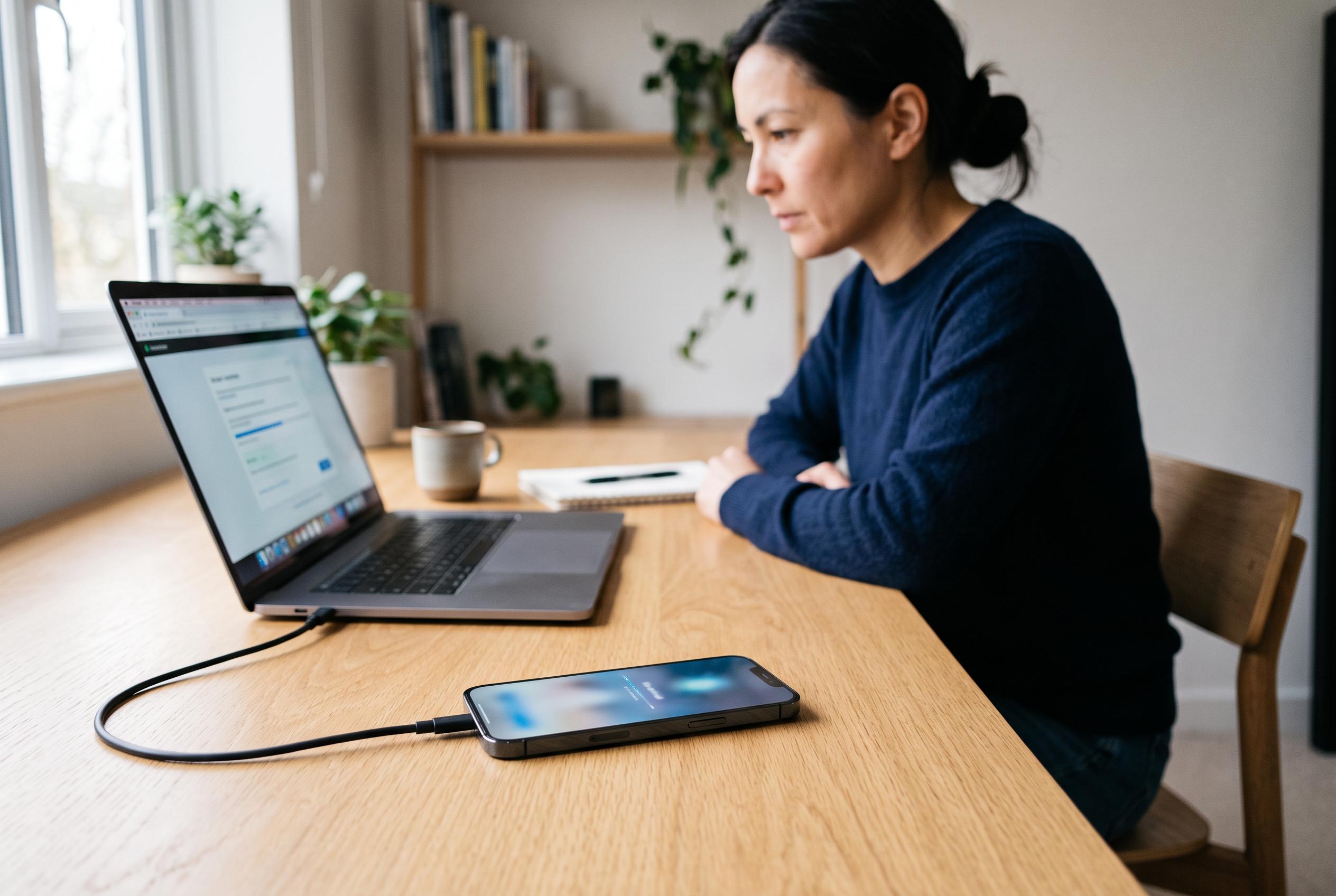
Installation is also becoming less technical. Rather than relying only on ADB and Fastboot commands from a computer terminal, LineageOS has introduced browser-based flashing tools built on WebUSB. Users can connect a device, open flash.lineageos.org in Chrome or Edge, and start the process from the page. The project says the tools support ADB and Fastboot, as well as Amlogic Burn for some TV devices and Samsung’s Odin protocol, although the device-specific wiki remains the official installation guide.
Support, however, is not universal. Early builds cover a limited list of devices, including the Pixel 4 and newer Pixel models up to the Pixel 10 series, alongside phones such as the OnePlus 13 and Fairphone 5. More devices are expected in the coming weeks, but release timing still depends on volunteer maintainers meeting the project’s standards. Devices with Linux kernel versions 4.4 or 4.9 are excluded from Android 17 support and remain on LineageOS 22.2, based on Android 15, with monthly security updates. LineageOS also warns that apps relying on Google services may stop working, so prospective users are advised to check their device page before attempting an installation.
Disclaimer: This content is intended for informational purposes only. Readers are advised to exercise their own judgement, conduct due diligence, or consult a qualified expert before acting on any information provided.