

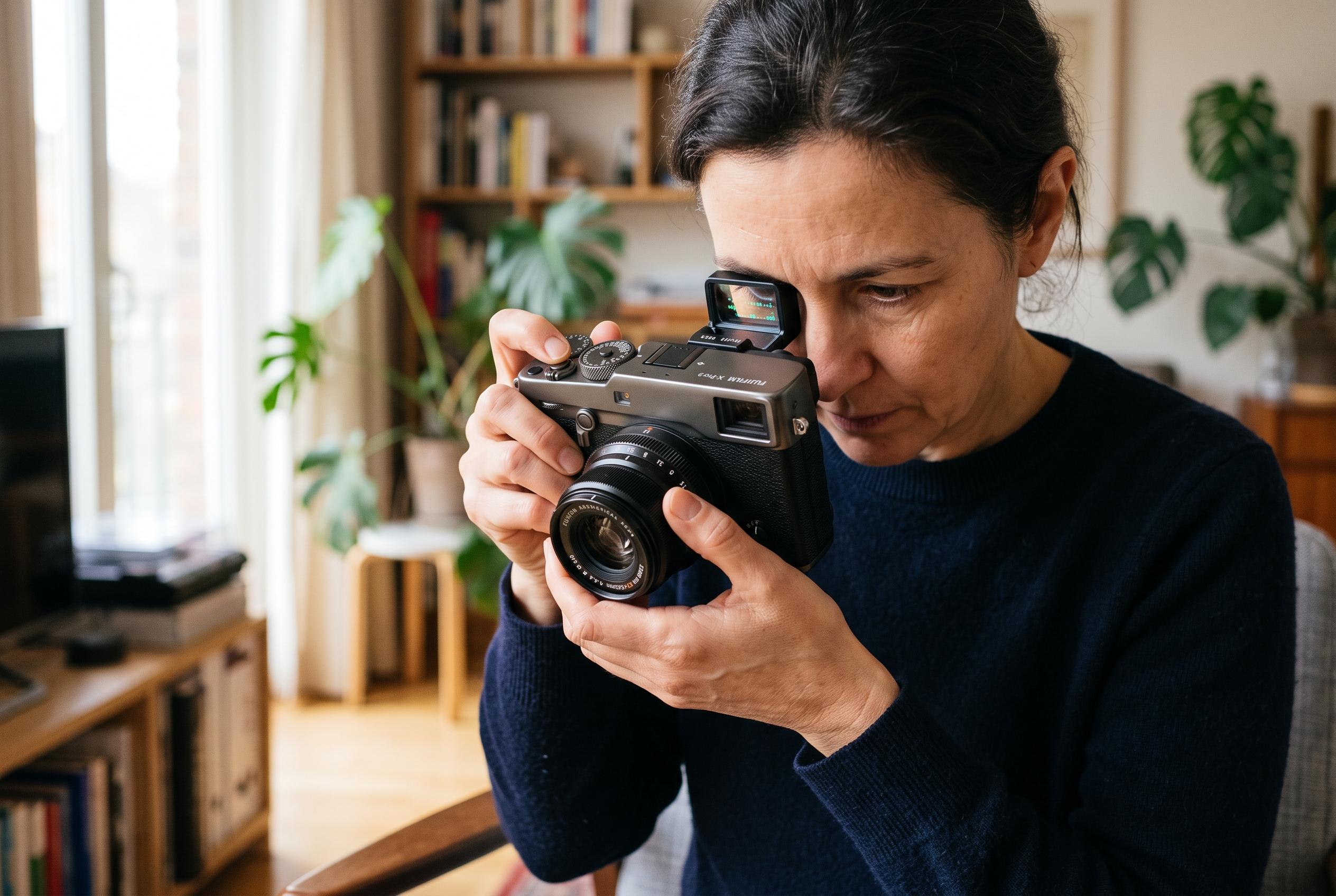

Godox’s unusual 2-megapixel hybrid pairs a transparent viewfinder with a usable exposure meter, but weak image quality and inaccurate framing leave it more curiosity than essential camera.
The Godox C100 is a small, unusual device that sits somewhere between a camera and a measuring tool. In principle, it offers two functions in one body: a 2-megapixel stills camera and a light meter. In practice, the question is less whether it competes with a phone or a serious compact camera than whether it delivers on the modest aims it sets for itself. The answer, from the evidence of testing, is mixed. Its most compelling trait is not image quality but novelty: a transparent finder with exposure information floating over the scene, and a form factor that makes it easy to carry everywhere.
That unusual design comes with a price. TechRadar describes the C100 as a futuristic but awkward device, while DPReview concludes that it works better as a light meter than as a camera. Both found its imaging performance limited by a tiny sensor, restrained dynamic range and a tendency to lose highlight detail. The same reviewers also noted that the transparent finder, while striking, is not especially helpful when it comes to composing frames accurately.
The light-meter mode is the C100’s strongest case for existing at all. Independent reviews consistently say that its readings are usable and, in some comparisons, impressively close to those from more conventional devices. The meter covers ISO 100 to 800 and works in 1/3-stop increments, which makes it straightforward enough for film work, even if it lacks the physical integration that some users would want in a camera built with film photographers in mind. TechRadar points out that the absence of a hotshoe limits how directly it can slot into a traditional shooting workflow.
In stills mode, the camera is best treated as a spontaneous snapshot machine rather than a precision instrument. The review from 35mmc suggests that it is enjoyable when used on its own terms: light, pocketable and free of the distractions that come with a smartphone. That simplicity encourages a more direct way of shooting, closer in spirit to film than to modern computational photography. The absence of instant playback also changes behaviour, pushing the photographer to accept imperfection and live with occasional surprises.
Yet the same review also identifies clear technical shortcomings. Exposure tends to run hot, particularly in bright scenes or high-contrast situations, which can leave clipped highlights and reduce recoverable detail. Colour balance also leans cool, meaning images often need correction after capture to look natural. The writer argues that these problems feel less like unavoidable hardware limits than software choices, because the camera’s behaviour is consistent enough that a better processing profile could improve results without changing the sensor.
Framing is another weak point. The transparent finder is visually clever, but it does not always match the sensor’s actual field of view, which makes composition less intuitive than it should be. The 35mmc review suggests that a longer lens, closer to a 40mm full-frame equivalent, might have aligned the framing guides more closely with what the sensor records. As it stands, the camera is easy to use casually and hard to use precisely, a combination that may suit some photographers but will frustrate anyone expecting dependable composition or polished files straight from the device.
Taken as a whole, the C100 appears to work best as a compact exposure meter with a bonus camera attached, rather than the other way round. That is consistent across the independent reviews: the meter earns the praise, while the camera earns tolerance. For film photographers who want a tiny, battery-powered meter with the option of taking informal snaps, it may be useful. For anyone seeking strong image quality, reliable framing or a serious alternative to a phone, it remains more curiosity than essential tool.
Disclaimer: This content is intended for informational purposes only. Readers are advised to exercise their own judgement, conduct due diligence, or consult a qualified expert before acting on any information provided.



