

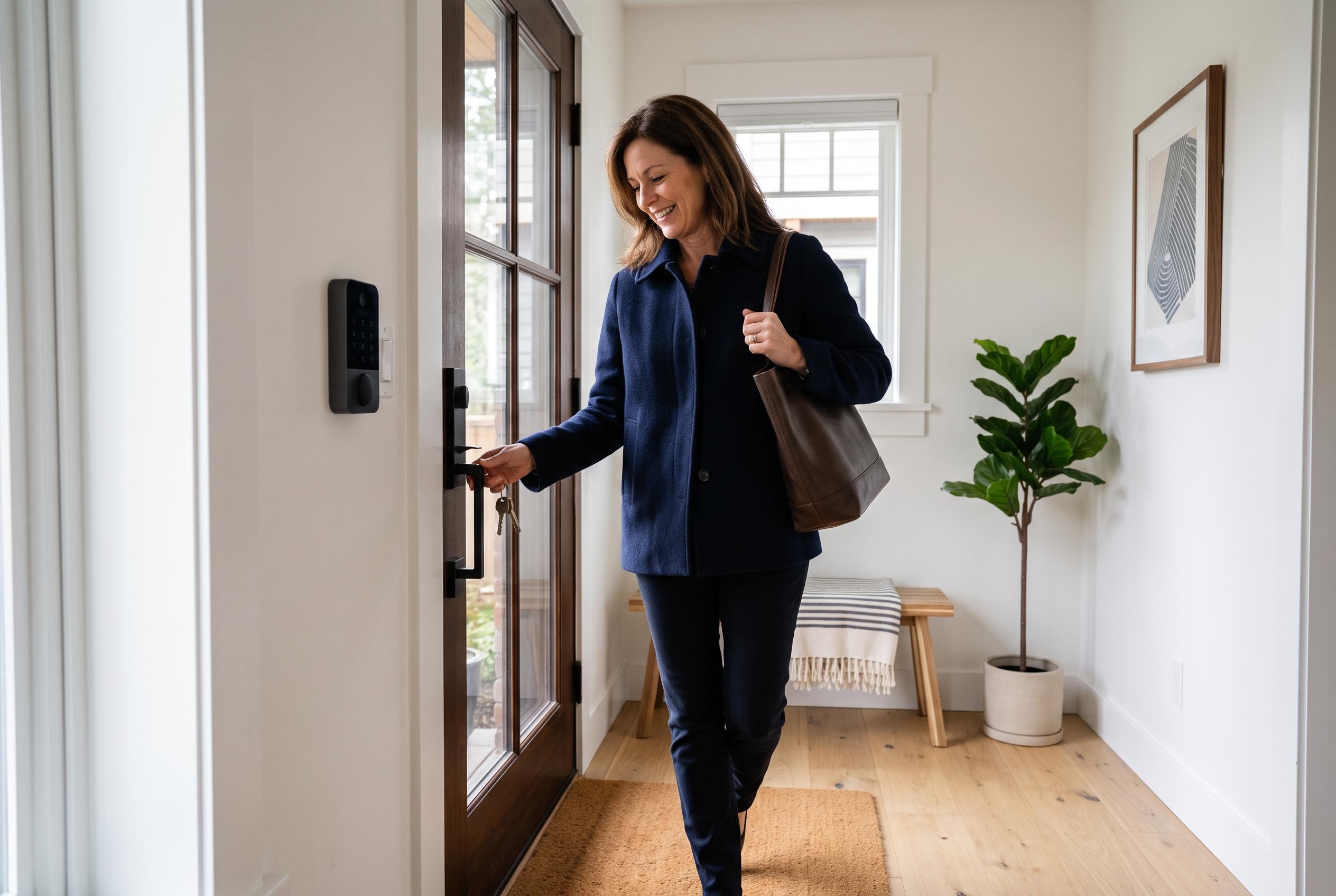

A 14-piece Elder system offers broad coverage without a subscription, while Ring remains the stronger option for households that may later want professional monitoring.
DIY alarm kits have become the default option for many Canadian buyers because they avoid the cost and complexity of a traditional installed system. The better models now combine peel-and-stick sensors, app control and optional cellular backup, but the real dividing line is still recurring cost: some systems remain fully usable without a subscription, while others reserve monitoring or backup features for paid plans. In the 2026 round-ups from Ring and several independent review sites, the strongest systems are the ones that match kit size, expandability and monitoring options to the home rather than trying to do everything in one bundle.
Among the no-fee options, the Elder 14-piece WiFi and 4G kit stands out for breadth of coverage. Best Buy describes it as a do-it-yourself package built around a central panel, keypad, outdoor siren, doorbell, leak sensor and motion sensing, with WiFi on 2.4GHz and 4G GSM connectivity. It also supports partial arming, SOS alerts and voice assistant integration with Google Assistant and Alexa, which makes it a stronger fit for detached homes that need more than simple entry monitoring.
Ring Alarm remains the clearest choice for buyers who want the option of professional monitoring later. Ring’s Canadian product page says the 8-piece kit is aimed at one- to two-bedroom homes and includes a base station, keypad, four contact sensors, a motion detector and a range extender. The company also offers optional cellular backup through a paid plan and adds 24/7 emergency response through professional monitoring. That said, other 2026 home-security round-ups published by third-party sites place greater emphasis on Ring’s larger 14-piece configuration for homes that need broader coverage, which underlines a simple point: the best Ring kit depends on the floor plan, not the brand name alone.
The most useful way to judge value is to look past the advertised piece count and count the sensors that actually protect doors, windows and internal spaces. Kit contents matter, but so does whether the system can grow, whether it keeps working if the internet drops, and whether the app experience is simple enough that everyone in the household can use it. In practice, that usually means paying close attention to whether a system is sold as a one-time purchase, whether backup connectivity costs extra, and whether the bundle includes enough contact sensors to cover the main entry points without immediately requiring add-ons.
For most buyers, the strongest shortlist still separates into two camps. Elder looks best for households that want a fuller feature set without a monthly bill, while Ring is the more natural choice for anyone who may want professional monitoring later. Review sites that cover the wider 2026 market point in the same direction: smaller homes can be served well by compact kits, while larger homes need more contact sensors and motion detection from the outset. The practical lesson is straightforward. The right alarm system is the one that covers the home properly on day one and does not become expensive once the optional features are added.
Disclaimer: This content is intended for informational purposes only. Readers are advised to exercise their own judgement, conduct due diligence, or consult a qualified expert before acting on any information provided.



