

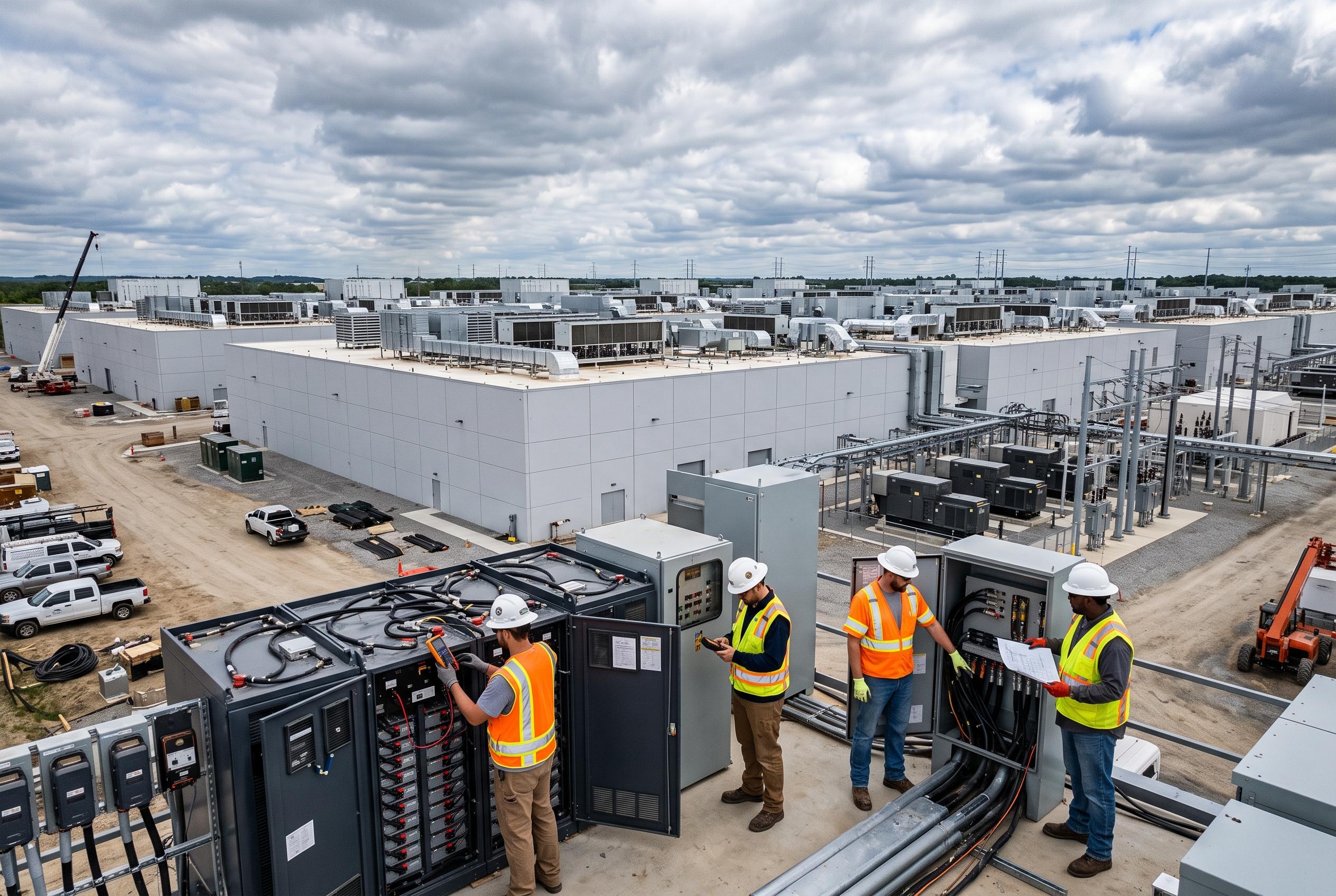

Alphabet, Amazon, Meta, Microsoft and Oracle are turning to bond markets to fund an unprecedented expansion of data centres, chips and power infrastructure, intensifying pressure on global borrowing costs.
The surge in artificial intelligence spending is reshaping credit markets as the largest US technology groups move deeper into bond financing. Alphabet, Amazon, Meta, Microsoft and Oracle are expected to spend about $800 billion on capital expenditure this year and roughly $1.2 trillion next year, according to Goldman Sachs. As those outlays absorb cash flow, the companies are leaning more heavily on debt markets to fund data centres, chips and power infrastructure.
That shift has helped push corporate borrowing to record levels. Data from the Securities Industry and Financial Markets Association show that US companies had issued $1.9 trillion in bonds through August, a rise of 30% from the same period a year earlier. SIFMA’s broader fixed-income data show total issuance across the US market at $9.5 trillion through September, up 10.4% year on year, underscoring how much supply the market has had to digest.
The same pattern is visible globally in AI-linked debt. A quarterly report from the Institute of International Finance says issuance by companies tied to artificial intelligence has already exceeded $400 billion this year and is running at an annualised pace above $500 billion, with US borrowers accounting for about 90% of the total. Even so, the report says the share of global issuance by non-financial corporations has remained broadly stable, suggesting the borrowing wave has not yet distorted the market in the way some investors feared.
The key concern is whether this flood of technology debt will crowd out other issuers and push borrowing costs higher. That debate has intensified as Treasury yields have climbed, with the 10-year and 30-year maturities recently reaching their highest levels since 2007 and 2004 respectively. Yet researchers cited by the IIF and Pimco have found little direct evidence of a crowding-out effect between US Treasurys and AI-linked bonds. Vishwas Patkar, Morgan Stanley’s head of US credit strategy, said in an IIF briefing that Treasury buyers and hyperscaler bond investors tend to be different groups, while Pimco said it found no statistically significant rise in 10-year Treasury yields around recent large AI debt deals. The more immediate risk, then, is not a simple substitution effect, but the broader upward pressure that heavy borrowing can place on rates as markets absorb an unprecedented wave of funding needs.
Disclaimer: This content is intended for informational purposes only. Readers are advised to exercise their own judgement, conduct due diligence, or consult a qualified expert before acting on any information provided.



