

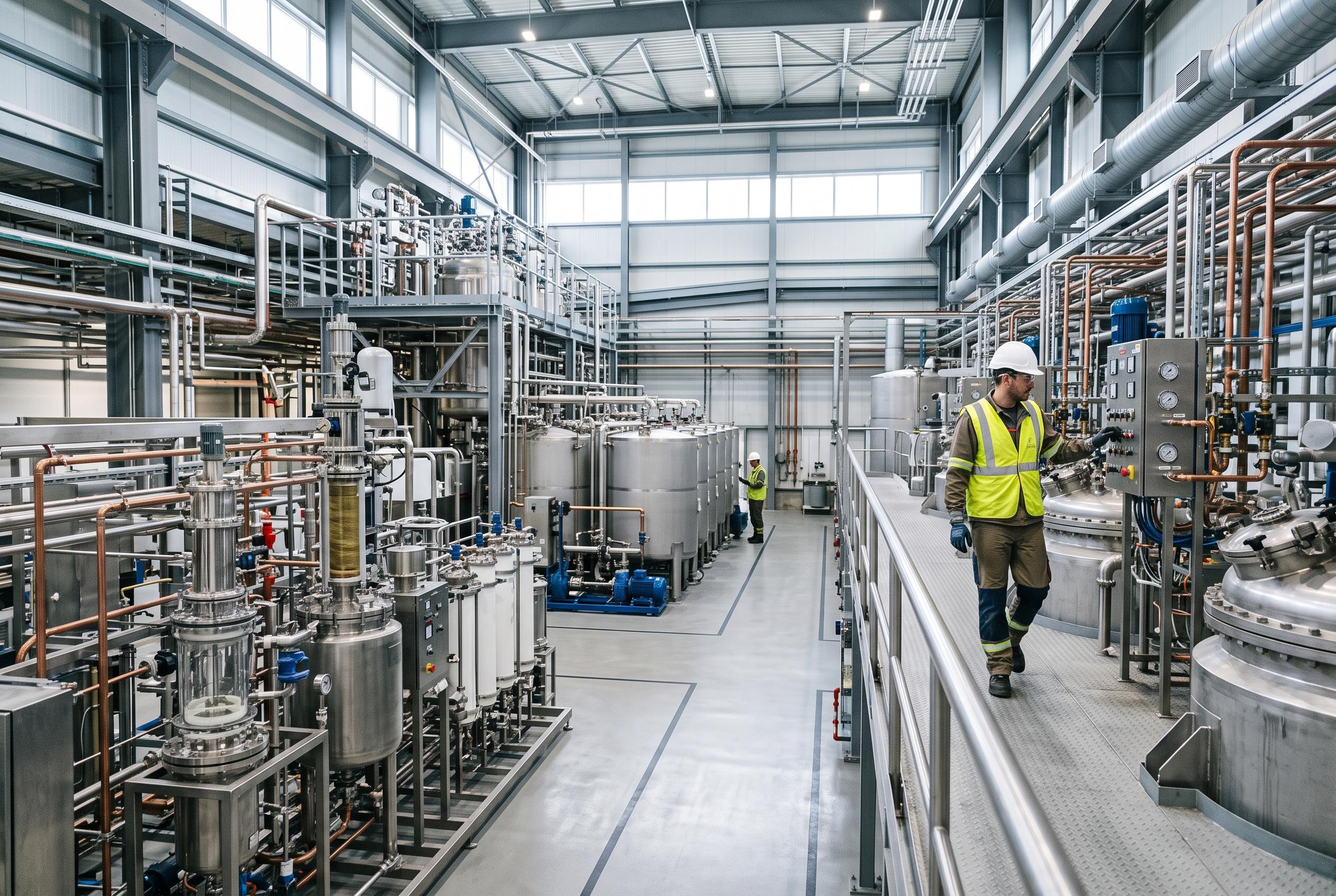

Tighter Chinese licensing and delayed shipments are highlighting the industry’s dependence on a small number of refining, separation and magnet-making facilities.
Rare earth supply chains remain among the most exposed in global industry because the most vulnerable stages are also the most concentrated. Mining can be diversified over time, but the real bottleneck sits in refining, separation and magnet production, where only a small number of facilities handle much of the world’s output. Analysts and industry guides say this concentration leaves manufacturers exposed not just to price swings, but also to trade policy, shipping delays and sudden industrial disruption.
That fragility has become more visible as China has tightened and adjusted export rules. According to reporting on the market, Chinese suppliers have delayed or declined shipments to US and Japanese buyers even after licences were approved, adding uncertainty to an already strained system. S&P Global said in January 2026 that export curbs were expected to keep disrupting supply chains and lift prices, especially for materials used in advanced technologies, after a series of licensing changes and new controls introduced over 2025 and early 2026.
The risk is not limited to raw material availability. It also extends to the technology and know-how used to process rare earths and make high-performance magnets. Industry reports have noted that Beijing’s newer rules cover both certain rare earths and associated processing technologies, with licences likely to be denied where end use is linked to defence or semiconductors. That matters because rare earths are deeply embedded in electric motors, precision equipment and other components that depend on neodymium magnets and similar materials.
For manufacturers, the practical response is usually defensive rather than immediate. Companies are qualifying secondary suppliers, building strategic inventories and redesigning products to reduce or eliminate rare earth content where possible. Deloitte has said organisations need to map exposure across product portfolios, test the resilience of suppliers and plan for disruption well before a shortage appears. The difficulty is that these measures take time, and new separation plants or alternative processing routes can take years to commission and qualify.
That long lead time is why the current problem is structural rather than temporary. Even where cargoes continue to move, selective pullbacks and tighter licensing can disrupt planning, extend delivery schedules and force buyers to pay more for critical inputs. For technology and industrial groups, the issue is no longer only whether supply exists, but whether it is dependable enough to support production schedules, product certification and long-term customer commitments.
Disclaimer: This content is intended for informational purposes only. Readers are advised to exercise their own judgement, conduct due diligence, or consult a qualified expert before acting on any information provided.



