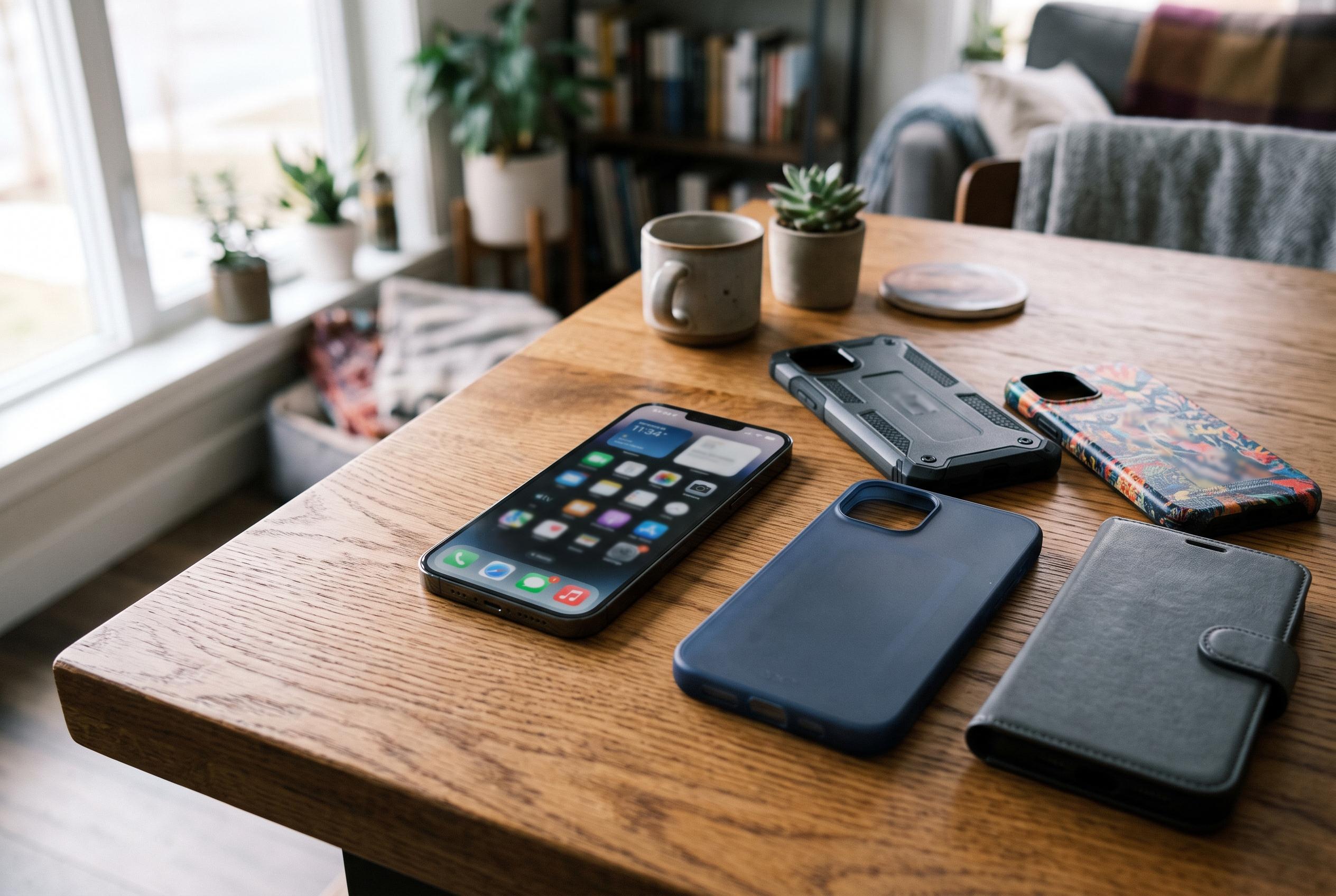

From designer prints to rugged drop-proof shells, iPhone 18 Pro buyers face a more nuanced choice as premium handset prices and repair costs rise.
Phone owners have long understood the need for a case, but the choice has become more nuanced. SquareTrade’s 2018 consumer research found that 66% of U.S. smartphone owners had damaged a device in the previous year, and more than 50 million screens were reportedly broken nationwide, with repair costs reaching $3.4 billion. That backdrop still explains why shoppers in 2026 are split between cases that prioritise appearance and those that are designed to absorb serious impact.
The iPhone 18 Pro itself sharpens that trade-off. What Hi-Fi described the 2026 model as a high-end phone with the new A20 Pro chip, a 48MP Fusion Main camera with variable aperture, and battery life rated at up to 34 hours of video playback. It is also expensive enough that many buyers will want protection immediately, especially as Tom’s Guide has reported shipping delays for some iPhone 18 Pro configurations across major U.S. carriers and retailers. In practical terms, that makes the case decision part style choice, part risk management.
Macworld’s October 2026 case guide reflects that divide by grouping options around everyday priorities such as MagSafe support, grip, durability and material quality. Some cases are built for users who want a slim profile and visual variety, while others are aimed at people who need stronger drop protection, outdoor resilience or extra features such as a stand, lanyard loop or card storage. The result is a market that is now as much about function as it is about finish.
For buyers who want the phone to look like an accessory, designer-led options have become more credible than they once were. BURGA’s iPhone 18 Pro line, for example, is built around a large library of in-house prints and multiple case constructions, ranging from slimmer formats to dual-layer shells with raised edges. The appeal is straightforward: the case can be part of the outfit rather than an afterthought, while still offering the kind of shock absorption and MagSafe support that most owners now expect.
At the more rugged end, established names such as OtterBox, Spigen, Speck and Pelican continue to dominate because they focus on structure first. Their iPhone 18 Pro cases tend to emphasise raised bezels, corner protection, textured grips and thicker shells, with some adding kickstands or card slots for daily convenience. Mous sits slightly apart, offering premium materials such as aramid fibre, walnut and leather for buyers who want a more refined finish without giving up serious protection.
The smartest way to buy is to start with the use case, not the brand. Check that the listing is for the iPhone 18 Pro rather than the Pro Max, decide early whether MagSafe matters to your charging or accessories, and be honest about how much bulk you will tolerate. For some owners, a slim decorative case is enough; for others, especially those who work outdoors or drop phones regularly, a heavier design is the safer choice. In a market where handset prices keep rising and people are holding on to devices for longer, a well-chosen case remains one of the simplest ways to protect the investment.
Disclaimer: This content is intended for informational purposes only. Readers are advised to exercise their own judgement, conduct due diligence, or consult a qualified expert before acting on any information provided.