
Apple’s $149 HomePod mini 2 adds a newer chip and computational audio, but the second-generation HomePod remains the choice for larger sound, Dolby Atmos and room-aware processing.
Apple’s latest HomePod mini refresh has sharpened the choice for buyers weighing a compact speaker against the fuller-size HomePod. According to MacRumors, the new HomePod mini 2 was announced on 13 October 2026, with availability set to begin on 30 October and a price of $149. The broader comparison with the second-generation HomePod remains straightforward: one model is built for maximum physical presence and richer speaker hardware, while the other is designed to be smaller, lighter and easier to place around the home.
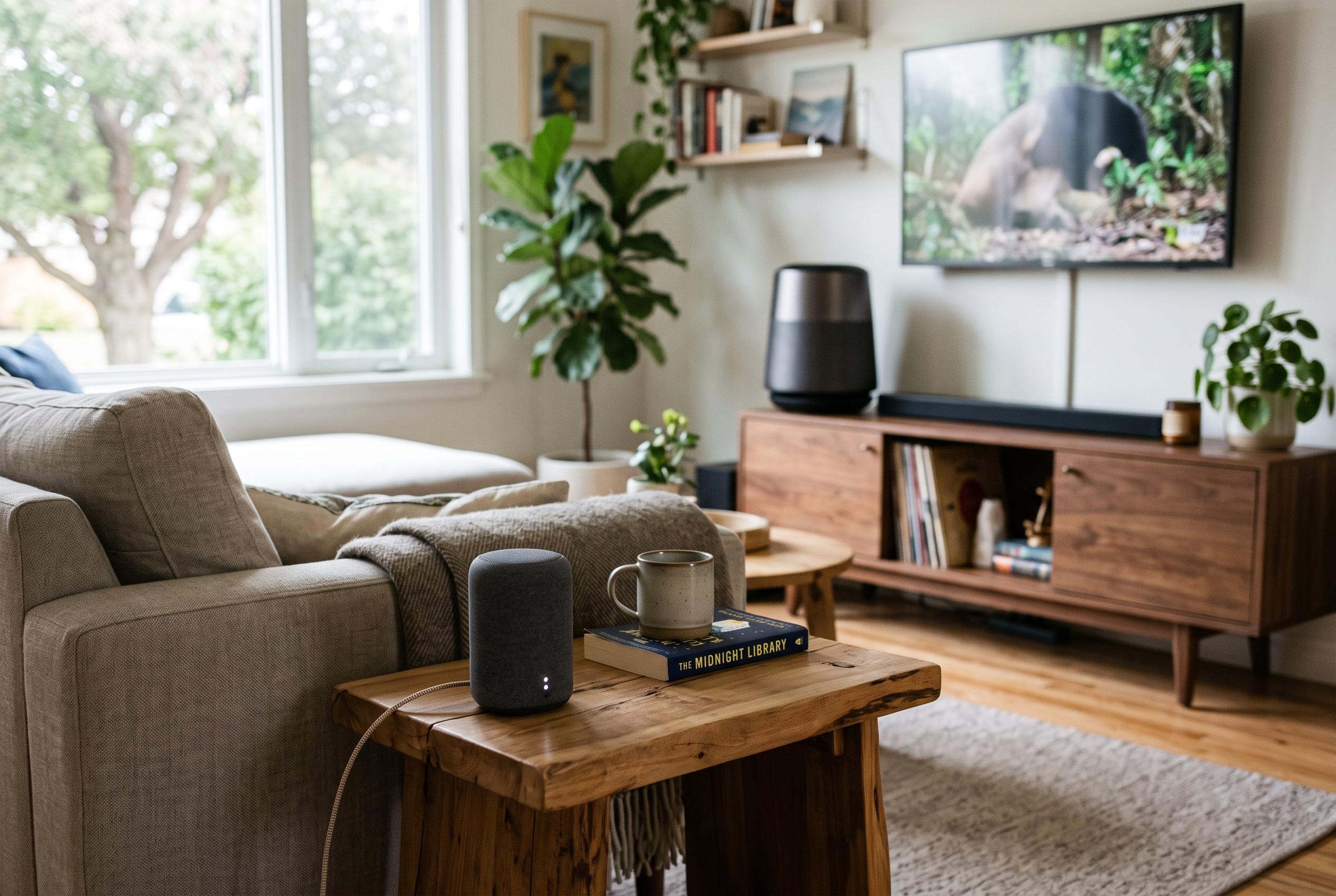
The key distinction is not simply size, but acoustic architecture. The second-generation HomePod uses a 4-inch high-excursion woofer alongside five tweeters, plus room sensing and Spatial Audio with Dolby Atmos, which Apple lists as part of its specification set. By contrast, the mini 2 keeps a far more compact footprint and relies on a single full-range driver with passive radiators, making it better suited to shelves, desks and bedside tables where space is limited. RTINGS and MacObserver both frame the comparison around those same physical and feature differences.
For listeners who want the more ambitious hardware, the larger HomePod remains the clearer option. Its woofer-and-tweeter layout gives it the most complete specification sheet of the two, and Apple’s room sensing support is a meaningful differentiator for buyers who want the speaker to adjust more intelligently to its environment. RTINGS’ comparison tool also treats the full-size model as the stronger choice when raw sound output and feature depth matter more than compactness.
The mini 2, however, is not just a smaller compromise. MacRumors reports that Apple has added the S10 chip, improved computational audio and a Sound Glow lighting effect that responds to music and album artwork. The model also keeps the ecosystem features that make HomePod useful in practice, including stereo pairing, multiroom audio and smart-home control. Apple has also said Siri AI is coming later as a software update rather than as an immediate launch feature, so buyers should not treat it as part of the out-of-box experience.
Both speakers remain attractive as home hubs rather than simple audio devices. According to the comparison material, both support temperature and humidity sensing, Thread and smart-home hub functions, which makes either model relevant for Apple Home users building automations or controlling compatible accessories. The practical difference is placement: the mini 2 is easier to distribute across several rooms, while the larger HomePod is more naturally suited to a fixed main listening position.
In buying terms, the decision is now less about which speaker is universally better and more about which better fits the room and the use case. Choose the second-generation HomePod if you want Apple’s more substantial speaker hardware, Dolby Atmos support and room-aware processing. Choose the mini 2 if you value a much smaller enclosure, easier placement and a lower entry price, while still keeping the core Apple ecosystem features. MacRumors and Apple’s published specifications both indicate that the mini 2 is the newer model to watch, but the right choice still depends on whether size, placement or acoustic ambition matters most.
Disclaimer: This content is intended for informational purposes only. Readers are advised to exercise their own judgement, conduct due diligence, or consult a qualified expert before acting on any information provided.