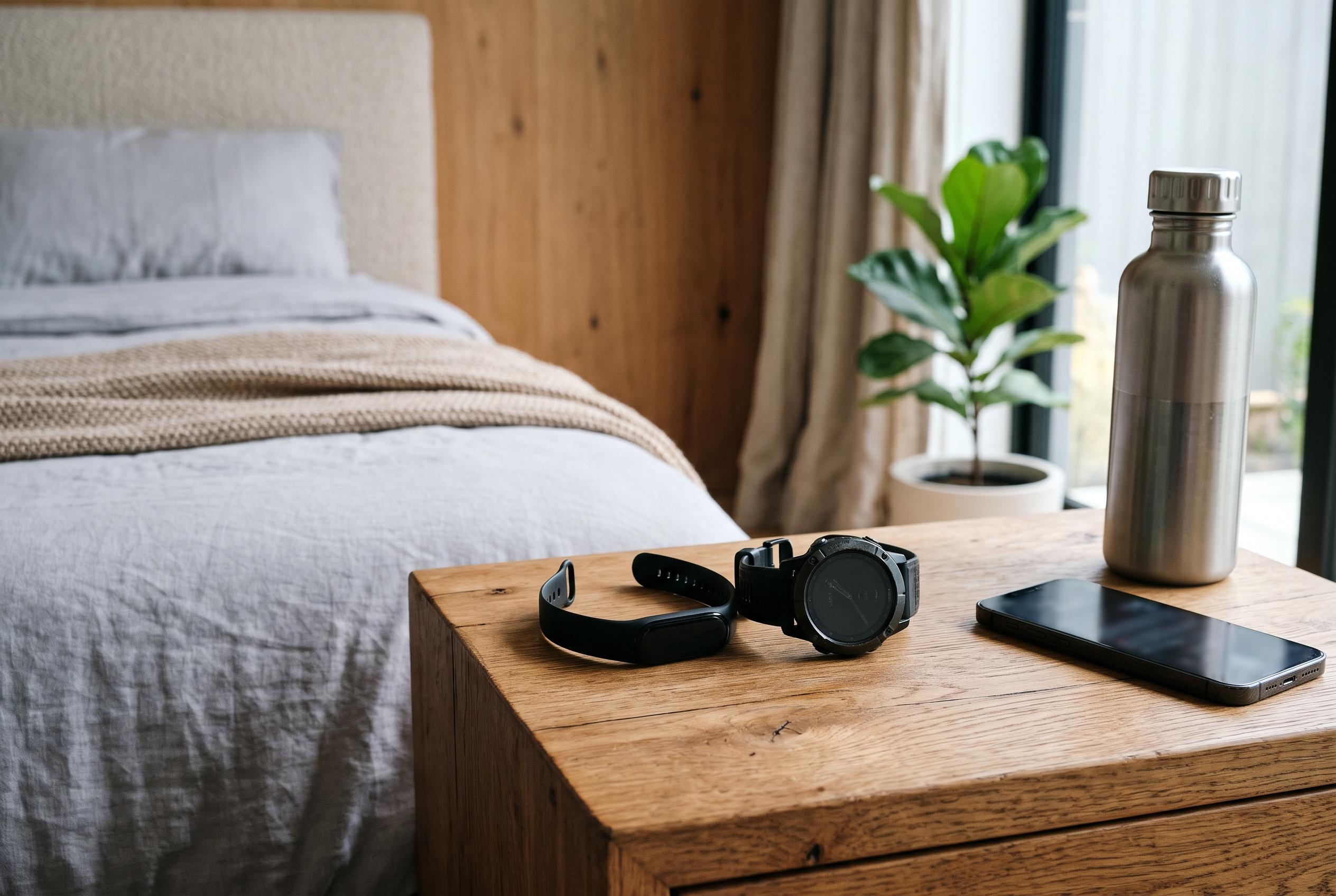

Google’s lighter, subscription-free Fitbit Air prioritises comfort and simplicity, while Whoop offers longer battery life and deeper training and recovery insights at a higher ongoing cost.
The Fitbit Air and Whoop are both built for people who want health data without a display, but they are aimed at slightly different users. Engadget says the Fitbit Air is slimmer than Whoop’s bands, which helps keep it light on the wrist, while Android Central describes it as a particularly small and comfortable device at 12 grams. That compact design comes with a shorter battery rating: Google says the Fitbit Air lasts up to seven days, whereas newer Whoop hardware is designed for more than two weeks of use.
Battery life is one of the clearest differences between the two. According to Whoop’s own battery guidance, the WHOOP 5.0 and WHOOP MG are rated for 14 days, and the company says its Wireless PowerPack lets users charge the sensor while still wearing it. WHOOP also says a 10-minute top-up can deliver more than a day of use, which makes its on-body charging approach practical for continuous tracking, even if it adds some bulk. By contrast, reviews of the Fitbit Air say it can usually last close to a week and can recharge quickly, with a short top-up adding another day of use.
The software experience is another dividing line. Engadget reports that both ecosystems now lean heavily on companion apps that cover activity, sleep and vital signs, and both include AI tools that can help with meal logging, advice and wellness planning. But the article also notes that Whoop’s app can feel more demanding at first, reflecting its focus on strain, recovery and higher-frequency heart-rate sampling. Google’s Fitbit app, by comparison, is presented as the easier option for mainstream users who want clearer data without as much complexity.
Price and access may ultimately matter more than hardware for many buyers. Engadget says Fitbit Air can be used without a subscription, although Google offers a three-month trial to Fitbit Premium before charging the standard fee. Whoop, on the other hand, remains tied to membership: the company says WHOOP One is sold with WHOOP 5.0 hardware in several regions for $199 a year, while other plans cost more. Tom’s Guide reports that Whoop now offers three tiers, reaching $359 annually at the top end, which places it firmly in the premium-performance bracket. Taken together, the comparison suggests Fitbit Air is better suited to casual users and Whoop to people who want deeper training and recovery analytics.
Disclaimer: This content is intended for informational purposes only. Readers are advised to exercise their own judgement, conduct due diligence, or consult a qualified expert before acting on any information provided.