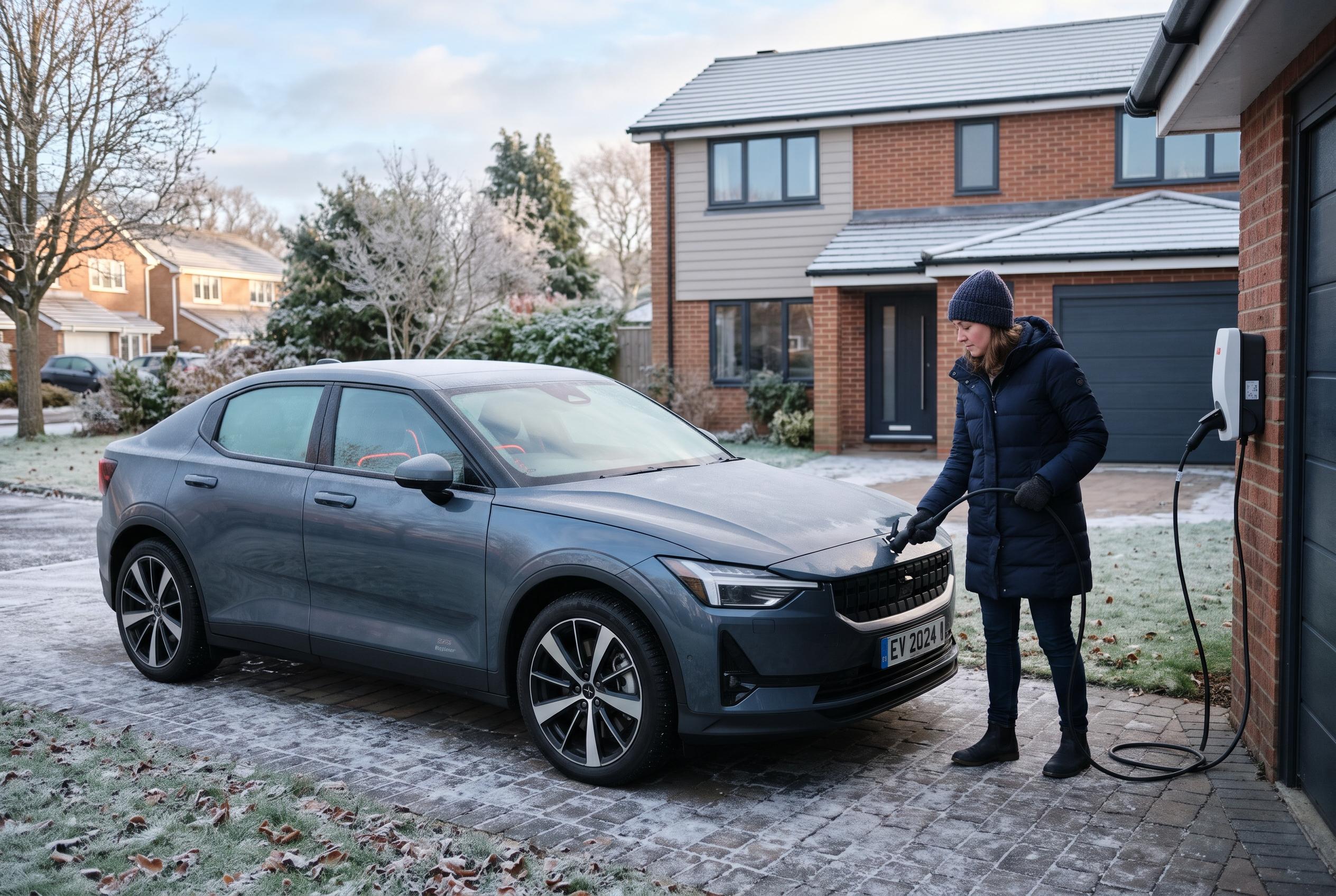

Cold weather can cut electric-car range by up to 30% in typical conditions, but preconditioning, careful heating use and sensible charging can limit the impact.
Cold weather can significantly reduce electric-car range, but the effect is manageable with the right habits. WePowerYourCar says drivers should expect winter range losses of roughly 15% to 30%, rising to about 40% in severe freezing conditions, as lower temperatures, icy surfaces and increased heating demand all place extra strain on the battery. Other guidance from Motor1 and the US Department of Energy broadly supports that view, putting typical cold-weather losses at around 20% to 30%.
The most effective first step is to reduce unnecessary energy use. Several sources, including TÜV NORD and Ford, advise preconditioning the car while it is still plugged in, so the cabin and battery start warm without drawing heavily on stored charge. They also recommend using seat heaters and heated steering wheels where available, because these tend to consume less energy than running the full cabin heater for long periods. TÜV NORD adds that recirculation mode can help reduce heating demand, provided windows remain clear.
Where the car is parked also matters. The US Department of Energy recommends covered parking where possible, while Ford says a garage can help shield the vehicle from harsh conditions. Keeping the car plugged in during longer stationary periods can also help preserve battery temperature and reduce the risk of further range loss. The same advice extends to charging equipment: connectors, ports and cables should be kept in good condition and protected from moisture and freezing conditions.
Tyre pressure is another practical concern in winter, because cold air can reduce inflation and increase rolling resistance. Motor1 and other winter-driving guides advise checking pressure regularly, while WePowerYourCar recommends considering winter tyres for better grip and control on snow or ice. Drivers are also urged to plan routes carefully, allow extra time, keep the battery between about 20% and 80% where practical, and identify backup rapid-charging locations before setting off. A short pre-drive before using a rapid charger can also help the battery warm up, improving charging speed in cold weather.
The wider message from the available guidance is straightforward: winter does not make electric vehicles unreliable, but it does make efficiency more sensitive to driver behaviour and conditions. Conservative driving, sensible charging habits, careful heating use and proper preparation can substantially reduce the seasonal hit to range. For owners who rely on their vehicles in colder months, those adjustments are not optional extras; they are part of normal EV ownership in winter.
Disclaimer: This content is intended for informational purposes only. Readers are advised to exercise their own judgement, conduct due diligence, or consult a qualified expert before acting on any information provided.