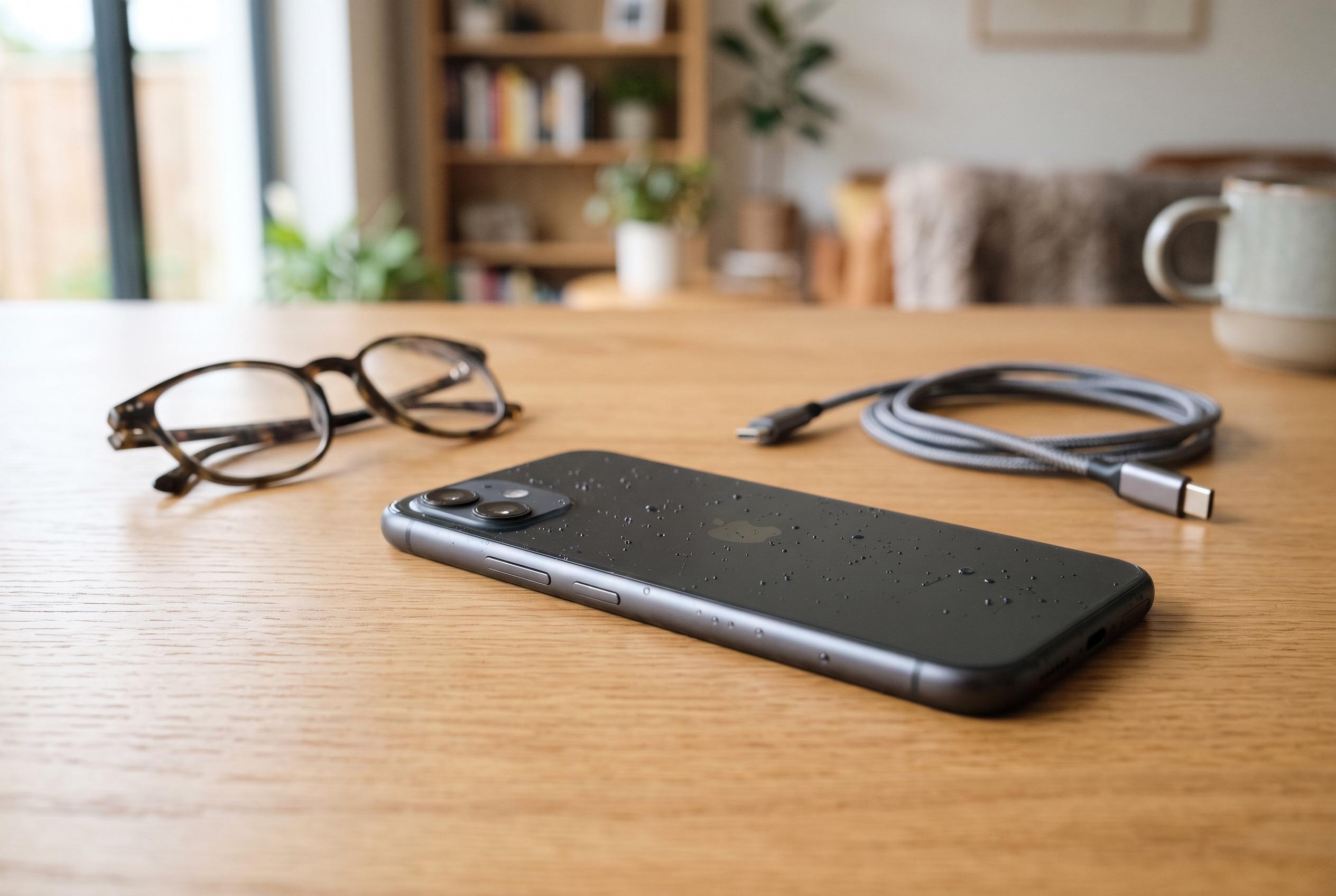

The Galaxy A37 5G improves on its predecessor with IP68 protection, a better main camera and long software support, but lingering performance limits make it most compelling at a discount.
Samsung’s Galaxy A37 5G is a familiar kind of mid-range handset: restrained, well built and deliberately conservative. It is not a dramatic reinvention of the A-series formula, but it is a clearer improvement on last year’s Galaxy A36, which struggled to feel smooth enough in everyday use. After several weeks with the phone, Android Authority concluded that Samsung has delivered a more convincing all-rounder, even if the upgrade remains modest.
The most meaningful change is not visible at first glance. Samsung has moved the A37 to an IP68 rating, giving it dust and water resistance normally associated with more expensive devices. The phone also keeps Gorilla Glass Victus Plus on the front and rear, while its flat-frame design and 196g weight make it feel sturdy and familiar. That said, the industrial styling comes at a cost: the flat sides are not especially comfortable in the hand, and the design has barely changed from the A36.
The display is another carry-over, though it remains one of the phone’s strengths. Samsung still uses a 6.7-inch Super AMOLED panel with a 120Hz refresh rate, and the quoted brightness figures are unchanged from last year. In practice, the screen stays legible outdoors and looks particularly strong for video, with the deep blacks and strong contrast expected from AMOLED. The weakness is that the panel feels less responsive in daily use than the specifications suggest, which reinforces the broader impression that the phone is competent rather than lively.
Performance is the area that most limits the A37’s appeal. Samsung has improved it over the A36, but only slightly, and the chipset still lags behind faster rivals in the same price bracket. Basic tasks such as messaging, browsing and social media are handled adequately, yet there are still delays when launching the keyboard, switching cameras or pushing the phone hard for extended periods. During wired Android Auto use, the handset became noticeably warm and sluggish, even though navigation on the car display continued without issue.
Samsung’s software support remains one of the A37’s strongest selling points. The phone runs Android 16 with One UI 8.5 and includes familiar Samsung features alongside Google services, plus tools such as Circle to Search, Gemini integration, transcription in Voice Recorder and object removal in Gallery. More importantly, Samsung is promising six operating system upgrades and six years of security patches, which gives the device unusually long support for its class. That promise matters more here than on the A36, because the A37 is at least fast enough to make a long service life plausible, even if it still does not feel especially quick.
Battery life is reliably strong. The 5,000mAh battery is enough for a full day for most users, and Android Authority found around five hours of screen-on time in mixed use. Charging is also better than average, with 45W wired charging allowing a full refill in roughly 70 minutes when used with a compatible PPS charger. There is no wireless charging, but that omission is less surprising at this price point.
The camera system is led by an upgraded 50MP main sensor with a larger 1/1.56-inch sensor size, and that change appears to have paid off. The primary camera produces sharp, colourful and well-balanced images in good light, while also holding up respectably after dark. The 12MP selfie camera and 8MP ultrawide are usable in daylight, though they are less consistent and more prone to noise when light levels drop. The 5MP macro camera is largely ornamental. Video recording is solid from the main and front cameras, with 4K capture at 30fps, although the camera app itself can feel sluggish when opening or changing lenses.
Pricing is where the Galaxy A37 becomes harder to judge. Android Authority notes that the 128GB model launched at $449.99, briefly fell to $349 during a sale and later rose to $489 on Samsung’s own store as part of a wider A-series price increase. At the lower end of that range, the phone looks much more attractive. It becomes easier to recommend as a durable, well-supported mid-ranger with a strong screen, good battery life and a capable main camera. Closer to $500, however, the old performance compromises are harder to ignore, especially given the lack of expandable storage and the modest base capacity of 128GB.
That leaves the Galaxy A37 as a sensible but conditional purchase. It is a more coherent phone than the Galaxy A36, and it should suit buyers who value toughness, battery endurance and long software support over raw speed. But Samsung has still not resolved the A-series’ long-running performance ceiling, which means the A37 makes most sense as a discounted buy rather than a full-price one.
Disclaimer: This content is intended for informational purposes only. Readers are advised to exercise their own judgement, conduct due diligence, or consult a qualified expert before acting on any information provided.