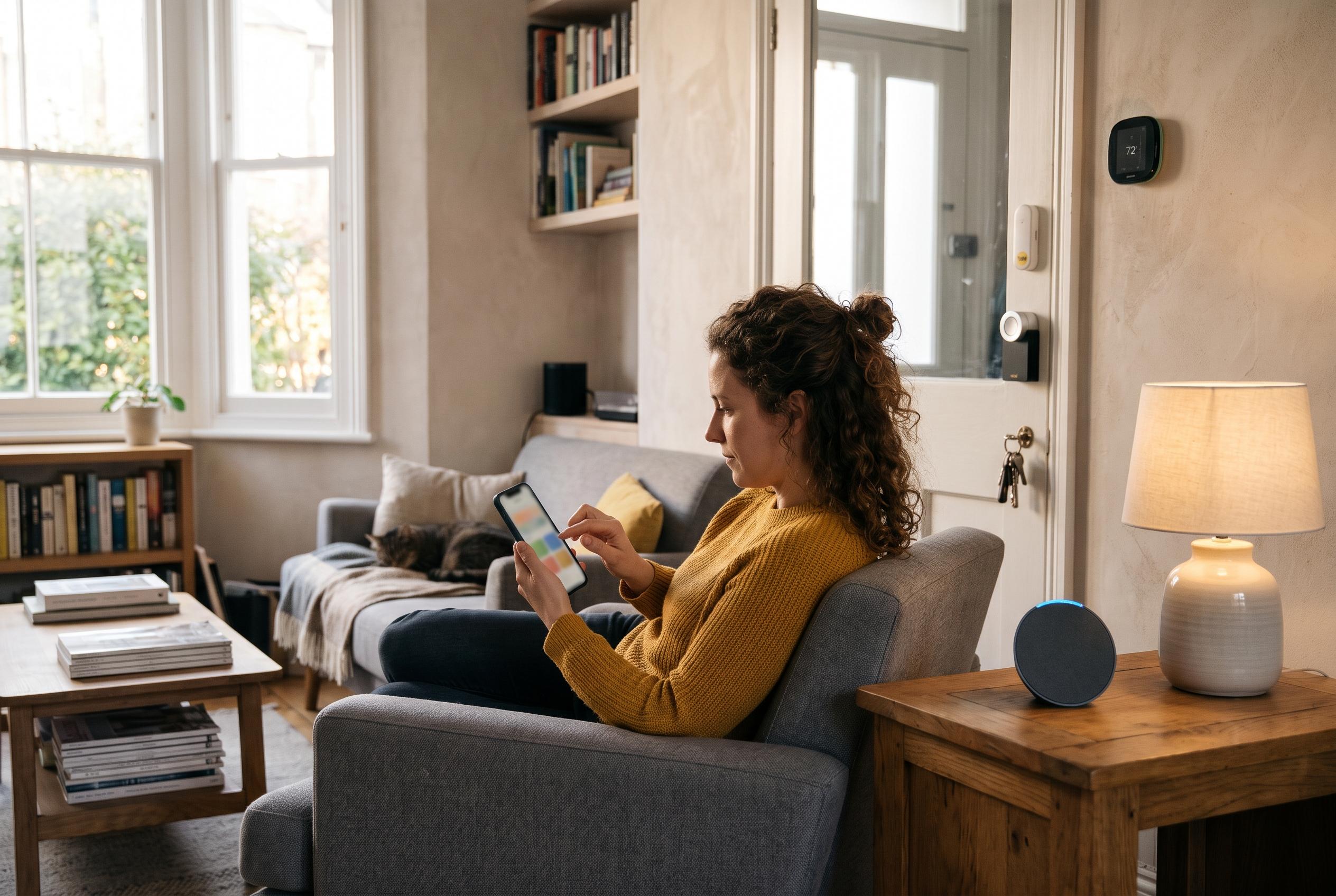

Apple Home, Alexa, Google Home, SmartThings and Home Assistant can bring devices from different brands under one roof. But Matter support varies by product, so checking compatibility remains essential.
Building a smart home across multiple brands does not have to mean juggling a separate app for every light, lock or sensor. The practical route is to choose one central ecosystem, then buy devices that are known to work within it. As BGR notes, that can be Apple Home, Amazon Alexa, Google Home, Samsung SmartThings or Home Assistant, with the benefit that many new gadgets can be folded into one control layer rather than managed one by one.
Interoperability is improving thanks to Matter, the cross-industry smart-home standard backed by the Connectivity Standards Alliance. The standard is designed to help compatible products from different manufacturers work together over Internet Protocol-based networks, but support is still product-specific rather than automatic. In other words, Matter reduces fragmentation, but it does not guarantee that every device will behave identically in every ecosystem.
Apple’s documentation says Matter support is built into iOS and allows accessories from multiple brands to be added through the Home app and controlled through Apple Home, Siri, Control Centre and compatible third-party apps. Amazon provides a similar path in Alexa: users can add Matter devices in the Alexa app by choosing the Matter option and scanning a QR code or entering a pairing code. Google’s developer documentation lists the second-generation Nest Hub and several other Nest speakers, displays and the Google TV Streamer as Matter-capable hubs, which shows how a single household can use a variety of approved gateway devices.
Home Assistant is another strong option for people who want more control and are comfortable with a more technical setup. Its documentation says it can manage Matter devices on local Wi-Fi and Thread networks through the Matter Server component, and that it can work alongside other ecosystem controllers. Aqara’s Hub M3 illustrates the same trend in hardware form: it is marketed as a multi-protocol hub and Matter controller that can bridge Aqara devices and selected third-party products into the Aqara Home app. The common lesson is simple: pick the ecosystem first, then check compatibility before buying, because the best multi-brand smart home is built on standards, not assumptions.
Disclaimer: This content is intended for informational purposes only. Readers are advised to exercise their own judgement, conduct due diligence, or consult a qualified expert before acting on any information provided.