
Huawei’s new FreeClip 2 S earbuds prioritise comfort and style with their open, jewellery-like design, offering a fresh perspective on everyday audio wearability and practical use for users who value background sound awareness over noise isolation.
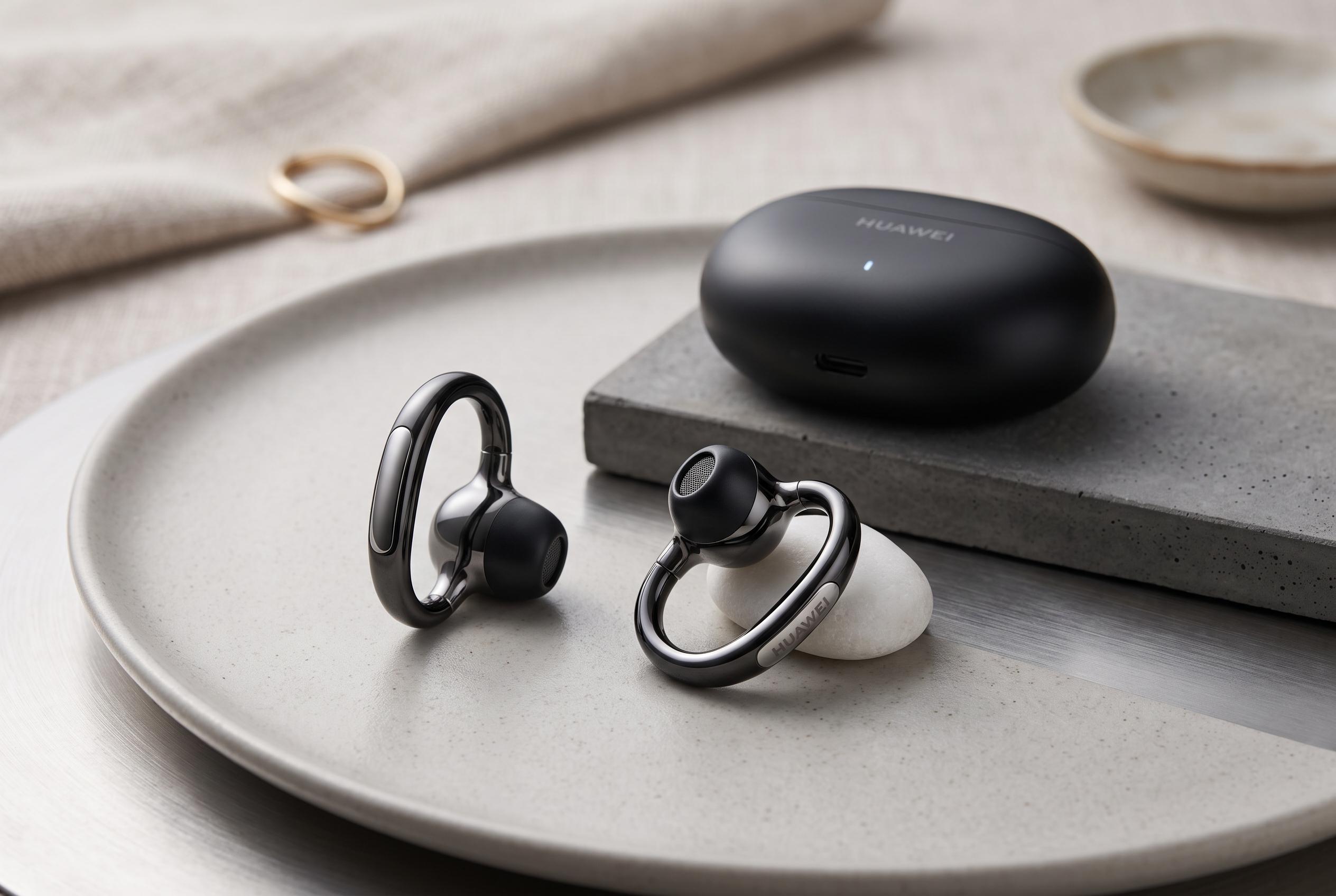
Huawei’s FreeClip 2 S are not the sort of earphones that force themselves into notice. Their open design and light fit seem built around a simple idea: audio should sit in the background of daily life rather than interrupt it. After several weeks of use, that appears to be the model’s strongest argument. Comfort, not raw technical ambition, is what makes them stand out. Reviewers at Xataka, PhoneArena and Tom’s Hardware reached a similar conclusion, describing the earbuds as unusually easy to wear for long stretches and strikingly refined in appearance.
That emphasis on wearability matters because traditional in-ear headphones are not suitable for everyone. The open-ear format avoids the pressure of sealing the ear canal, which makes a real difference for users who find conventional earbuds painful or fatiguing. In practical use, that means they can be worn through long work sessions, walks, commutes and chores without the constant awareness that often comes with more conventional designs.
The styling is part of the appeal, too. These are clearly meant to look more like an accessory than a piece of commuter kit, and that is not an accident. Several reviews note the polished, jewellery-like design, and Huawei’s own approach leans into that idea with decorative add-ons that make the earbuds feel closer to a fashion object than a gadget. For users who care about how their audio gear looks as much as how it performs, that is a meaningful distinction.
The fit also seems more secure than it first appears. Open-ear clips can look precarious, but the model is designed to stay put through ordinary movement, including walking, bending and hurried trips through the city. That makes them unusually practical for people who want to hear their surroundings without repeatedly adjusting their earbuds. The trade-off is familiar: because the ears remain open, active noise cancellation is absent and loud environments can drown out detail.
On sound, the FreeClip 2 S do not pretend to beat sealed in-ear headphones at their own game. But within the limits of the format, they appear to perform well. External reviews point to a dual-diaphragm driver that improves bass response and midrange clarity, while the listening experience is broadly described as balanced and spacious. That said, physics still applies: in busy places, open-ear earphones will not isolate sound the way tighter-fitting rivals do.
Call quality is one area where the newer model seems to move things forward. Independent testing suggests Huawei has improved the microphones, making voice pickup more dependable than before. That matters in everyday use, especially for calls taken while walking outside, when speech can quickly become hard to follow on lesser earbuds. The stronger microphone performance helps make the FreeClip 2 S feel less like a niche accessory and more like a genuinely usable daily device.
Battery life is another strength. Reviewers cite figures of roughly 9 hours of playback from the earbuds themselves and up to 38 hours with the charging case, though one review measured slightly less. Even allowing for those variations, the numbers suggest a product that does not demand constant attention. For most users, that should mean infrequent charging and fewer interruptions to routine use.
There are still compromises. The higher price puts them above many rivals, and their open construction will not suit anyone who wants to shut out noise completely. But that is also the point. Huawei seems to have built the FreeClip 2 S for people who value comfort, awareness and design over isolation. For that audience, they look like one of the more convincing examples of how earbuds can disappear into everyday life rather than dominate it.
Disclaimer: This content is intended for informational purposes only. Readers are advised to exercise their own judgement, conduct due diligence, or consult a qualified expert before acting on any information provided.