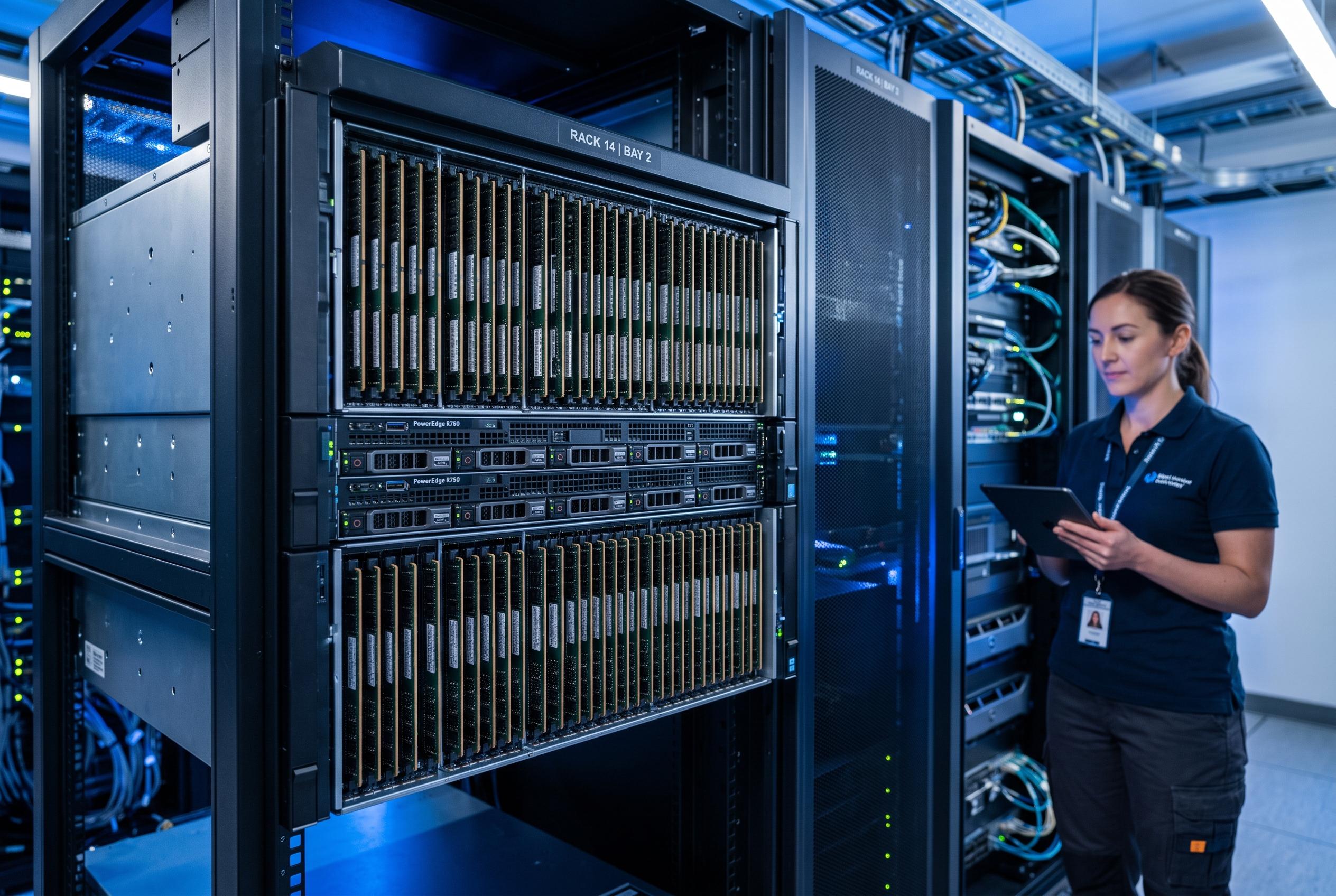

Comments from Apple CEO Tim Cook indicate ongoing supply constraints in the memory chip industry, supporting increased pricing and margins for suppliers like Micron amid AI-driven demand and limited supply.
Micron Technology has given back some of this year’s sharp gains, but the latest comments from Apple chief executive Tim Cook suggest the memory market is still tight rather than weakening. Cook said Apple paid more for memory in the June quarter and expects costs to rise again in the current period, underscoring a supply backdrop that remains favourable for chip makers such as Micron. The company’s shares are still well below their late-June peak after a rise that carried the stock to record levels earlier in 2026.
The remarks matter because Apple is one of the world’s biggest buyers of memory components, including DRAM and NAND flash. When a customer of that size says pricing pressure is still building, it usually points to limited supply across the broader chip chain. In effect, it gives memory suppliers more leverage in negotiations with device makers, helping support margins at a time when demand for advanced chips is being pulled higher by artificial intelligence spending.
Micron sits squarely in that market. The Idaho-based group sells DRAM, NAND and high-bandwidth memory, all of which are used in smartphones, personal computers and data centre hardware. As AI infrastructure spending has accelerated, suppliers have redirected capacity towards server-grade products, leaving consumer memory buyers with fewer options. Industry analysis cited by Tom’s Hardware suggests contract prices for DRAM and NAND have been rising sharply, with shortages expected to persist well into the next year and possibly beyond as cloud and AI customers continue to compete for supply.
That helps explain why Micron’s recent pullback has looked more like a pause after an overheated rally than a sign of deteriorating fundamentals. The stock surged in the first half of 2026 before falling about 26% from its record, a move that reflected investor profit-taking as much as concern about the sector’s history of boom-and-bust cycles. Apple’s warnings suggest the near-term backdrop for memory pricing remains constructive, even if some investors are growing cautious about how long AI-related demand can sustain it.
Disclaimer: This content is intended for informational purposes only. Readers are advised to exercise their own judgement, conduct due diligence, or consult a qualified expert before acting on any information provided.