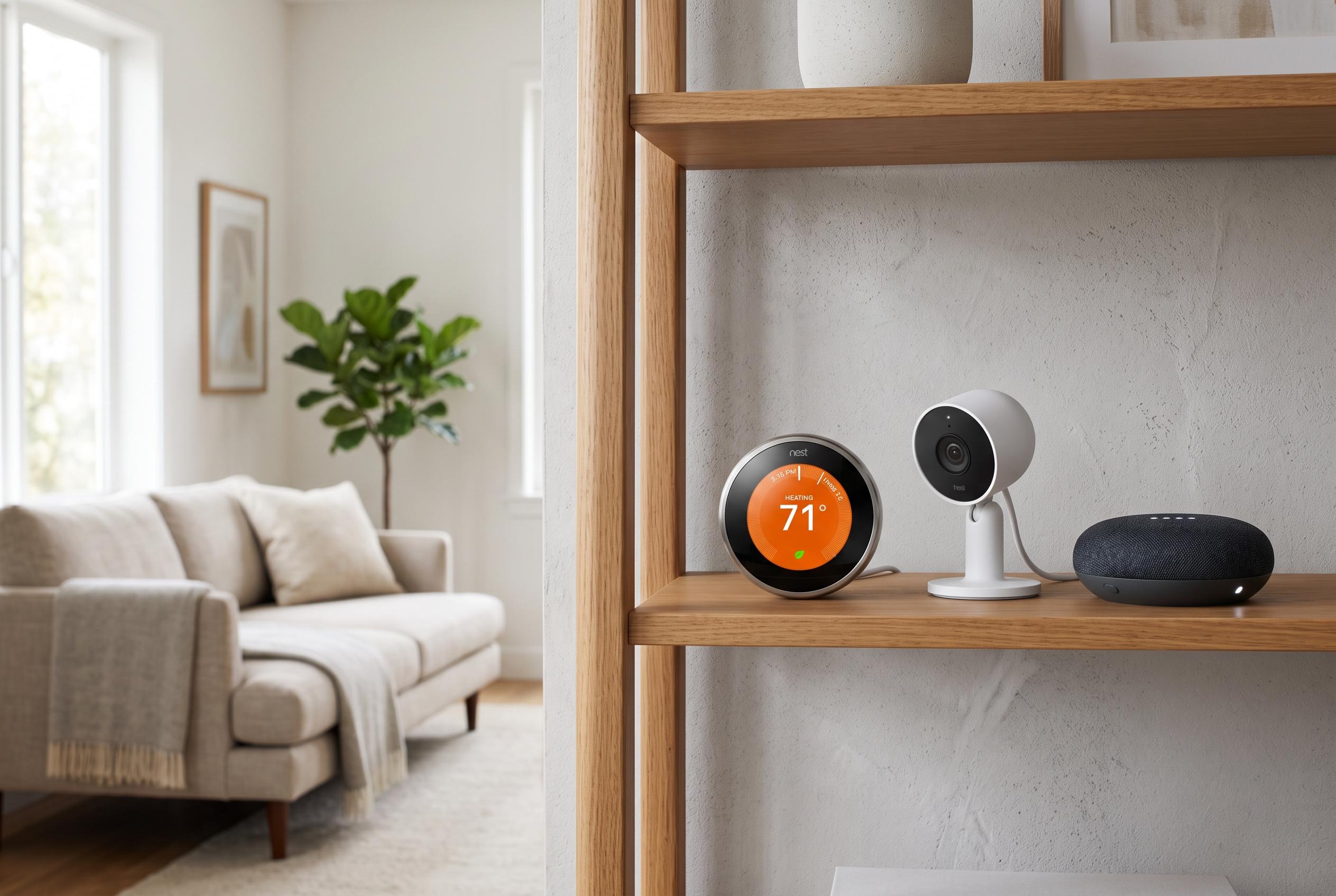

Google is expanding support for Thread 1.4 across its Nest devices, aiming to improve smart home reliability through enhanced interoperability and seamless device onboarding, as industry-wide updates signal a shift towards more integrated ecosystems.
Google is broadening support for Thread 1.4 across its Nest hardware, after the same standard recently reached the Google TV Streamer. Users on Reddit say the update is now appearing on the Nest Hub, Nest Hub Gen 2, Nest Hub Max and Nest WiFi Pro, although Google has not yet publicly confirmed the rollout. Android Authority reported that the change is being seen in the field rather than through a formal company announcement, which suggests the deployment is still in progress.
Thread is the low-power networking layer that Matter uses to move data between smart home devices. In practical terms, it helps devices communicate through a mesh network, where each unit can pass messages along to the next. The appeal of Thread 1.4 is that it standardises credential sharing, which should make it easier for devices from different brands to join an existing network without awkward setup steps. It is also intended to improve responsiveness and reduce the kind of dropouts that can make smart homes feel unreliable.
The update follows Google’s June over-the-air software release for the Google TV Streamer, which added Thread 1.4 and a feature called “Share Thread network credentials”. That function lets users generate a secure QR code on the television screen, making it simpler to bring third-party devices into the same Thread environment. Android Authority said the change was part of the device’s first major update of 2026, alongside bug fixes and security improvements.
Google’s move also fits a wider industry push to make Matter-based smart homes more interoperable. Reporting from T3 and other outlets has noted that Apple has likewise been updating compatible streaming devices to support Thread 1.4, which points to a broader shift towards common credential-sharing rules across ecosystems. That matters because one of the main barriers to adoption has been the difficulty of linking separate Thread networks cleanly and securely.
For Nest owners, the practical effect should be a more stable smart home backbone, especially where multiple brands are involved. The update is unlikely to change the visible interface of the devices, but it could make onboarding new products less frustrating and improve day-to-day reliability behind the scenes. Google has yet to publish release notes for the Nest rollout, so the full scope of the change remains partly dependent on user reports.
Disclaimer: This content is intended for informational purposes only. Readers are advised to exercise their own judgement, conduct due diligence, or consult a qualified expert before acting on any information provided.