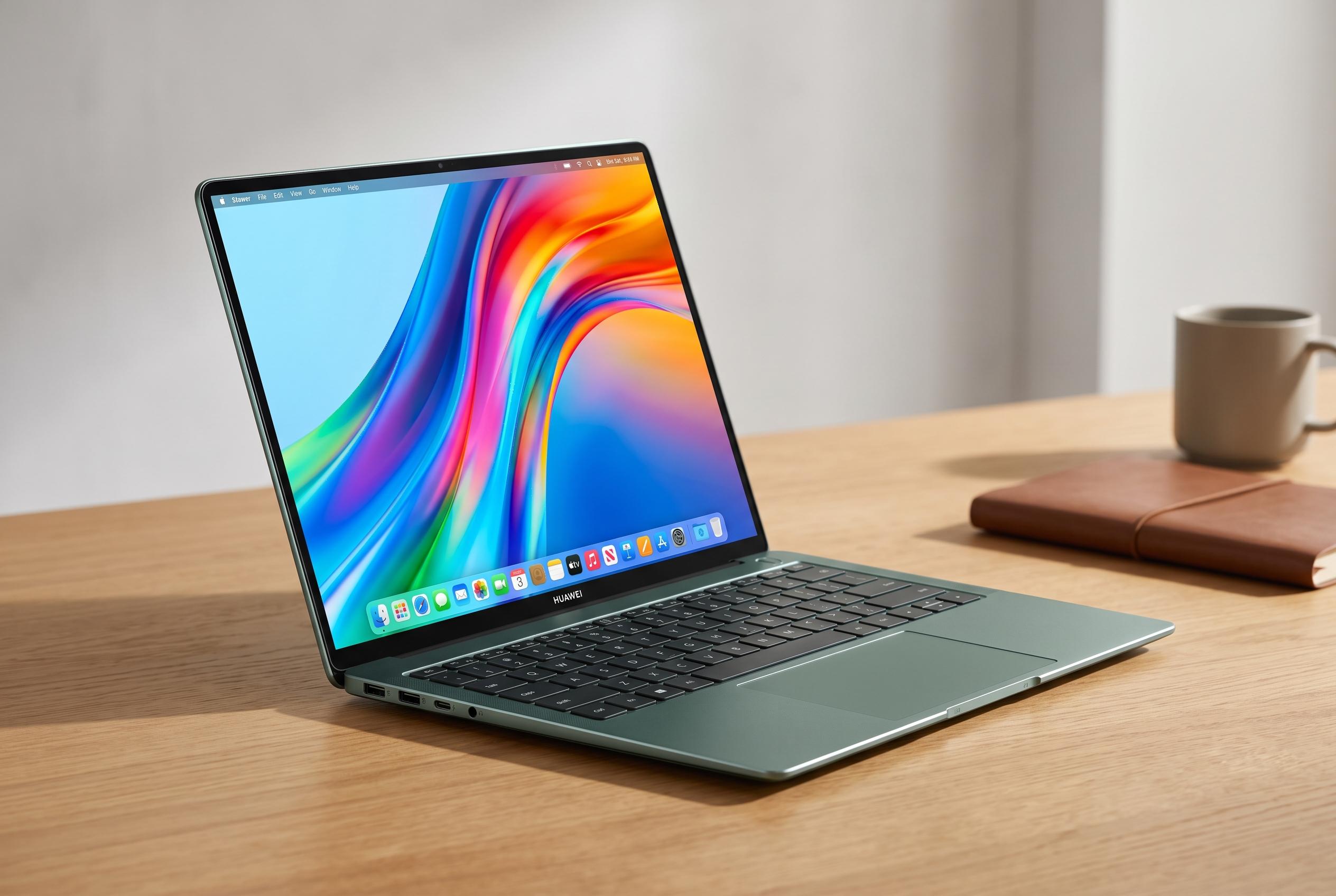

Huawei unveils a lightweight MateBook Pro S with impressive display features, but conflicting specifications and regional availability cast doubt on its global ambitions amidst a shift towards Huawei’s self-developed PC platform.
Huawei has unveiled a new premium laptop that pushes portability further than most rivals, but the exact specification picture is less clear than the launch material suggests. The machine, described in the lead report as the MateBook Pro S, is presented as an ultra-light model with a 14.2-inch OLED screen, high-end memory and storage options, and Huawei’s own HarmonyOS software. However, Huawei’s Chinese product pages for the MateBook Pro describe a closely related device under a different name and with different hardware figures, which suggests there may be a naming or launch-stage discrepancy in the information now circulating.
The headline feature is weight. The lead report says the notebook comes in at 798 grams and is 11.9mm thick, using a magnesium-lithium alloy chassis to keep the frame thin and light. Huawei’s own published specifications for the MateBook Pro instead list 970 grams and 13.5mm, which is still very light for a 14.2-inch laptop but notably heavier than the launch report claims. On either reading, the device is aimed at buyers who want a large display without the bulk usually associated with it.
The display and performance package remain the strongest selling points. Huawei says the laptop uses a 14.2-inch flexible OLED panel with a 3,120 x 2,080 resolution and a 120Hz refresh rate, along with up to 1,600 nits of peak brightness and P3 colour coverage. The lead report adds that colour accuracy is a focus, with a Delta E below 1, and says Huawei is also pitching a privacy screen mode called Lingdun. Under the bonnet, the launch report says the new Kirin XE90 chip has nine Arm-based cores, while Huawei’s current product page refers to the Kirin X90. Both versions point to Huawei continuing to build its own PC platform rather than relying on Intel or AMD.
Other details line up more closely. Huawei lists 32GB of RAM, 1TB of SSD storage, Wi-Fi 7, Bluetooth 6.0, two USB-C 3.2 Gen 1 ports, a 54Wh battery and 66W charging, with claimed endurance of up to 18 hours. The lead report says the notebook is already on sale in China in yellow, purple, white, grey and black, starting at 7,999 yuan for the base model and rising to 14,999 yuan for the Collector’s Edition. For now, Huawei has not confirmed a global release, which leaves the device as an interesting but still region-limited example of the company’s push to control both hardware and software in the PC market.
Disclaimer: This content is intended for informational purposes only. Readers are advised to exercise their own judgement, conduct due diligence, or consult a qualified expert before acting on any information provided.