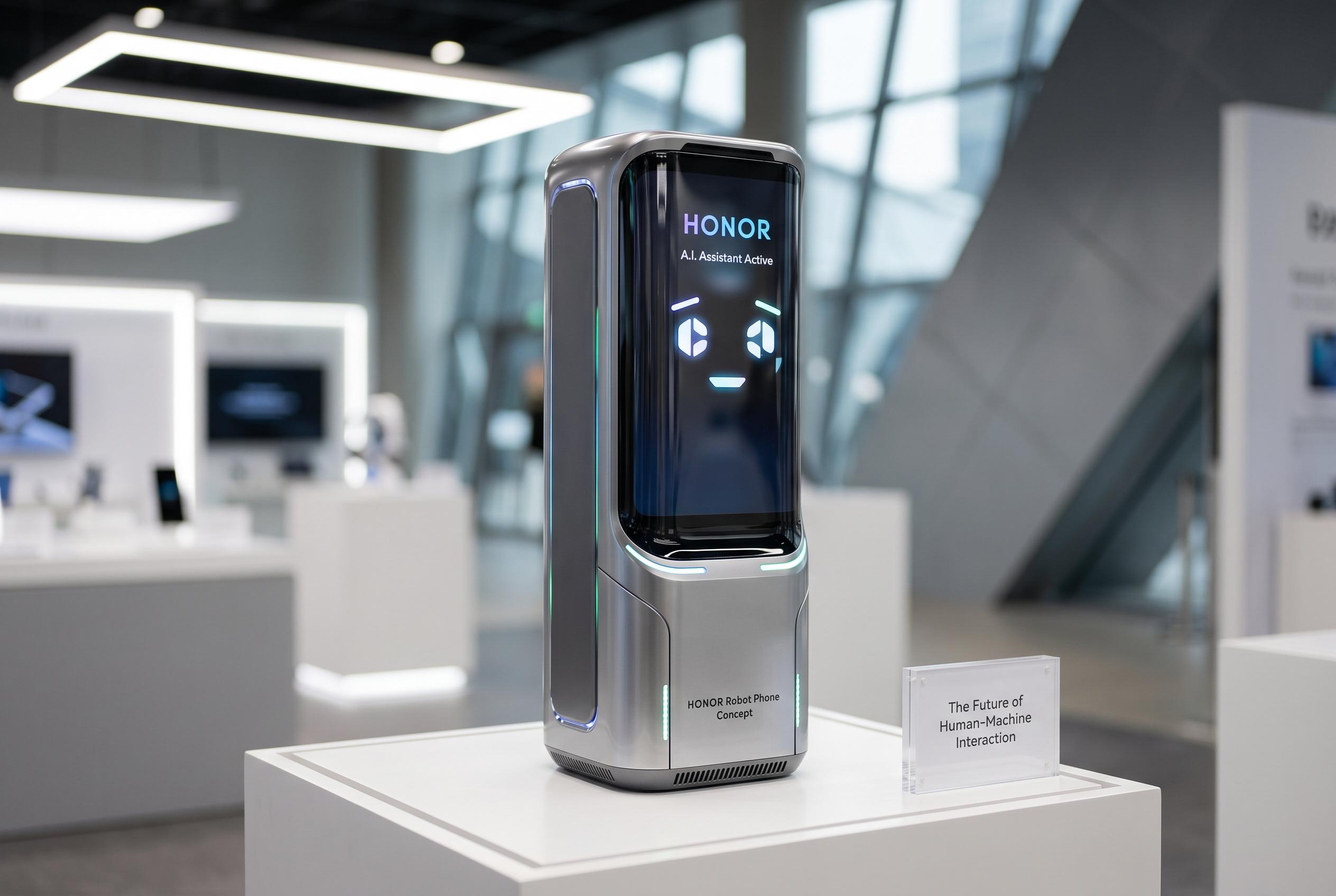

At MWC 2026, Honor unveiled its transformation into an AI-driven ecosystem, emphasising innovative device categories like the Robot Phone and the integration of over 20,000 AI services, aiming to redefine human-machine interaction beyond traditional smartphones.
HONOR has used MWC 2026 to sharpen a message it first set out in 2025: it wants to be judged not simply as a smartphone maker but as a broader artificial intelligence device ecosystem company. In materials released around the event, the company linked that ambition to its ALPHA PLAN, a corporate strategy built around openness, collaboration and co-development with partners across the sector.
The clearest sign of that shift is the Robot Phone, which HONOR presented as a new class of device combining embodied AI interaction, robot-grade movement and advanced imaging. The company said the concept sits alongside a wider product and platform push that now includes the Alpha Phone, Alpha Store and Alpha Lab pillars, all intended to knit together hardware, software and services around everyday use rather than around a single handset.
HONOR also tied the rebrand to a wider ecosystem argument. At its ConnectAI panel at MWC 2026, the company outlined a plan for the HONOR AI Connect Platform, which it says could integrate more than 20,000 AI services by the end of 2026. Alongside that, it highlighted devices such as the Magic V6 foldable, MagicPad 4 and MagicBook Pro 14, suggesting that its next phase will depend on linking multiple product categories into one AI-led environment.
The company says the commercial case for that strategy is already visible. It reported 25% year-on-year growth in the first quarter of 2026, calling itself the only Chinese smartphone brand to post positive growth in that period. HONOR also said overseas markets accounted for more than half of revenue and that its foldable phones remained in the global top two, figures that point to a business increasingly built on premium devices and international demand.
For HONOR, the logo change is meant to signal more than a cosmetic refresh. It is being positioned as a visible marker of a longer transition: from handset competition to a broader contest over how AI, connected devices and human-machine interaction will be packaged for consumers. Whether the company can turn that ambition into a durable platform advantage will depend on execution, partner support and whether its new device categories can move beyond concept status into meaningful volume.
Disclaimer: This content is intended for informational purposes only. Readers are advised to exercise their own judgement, conduct due diligence, or consult a qualified expert before acting on any information provided.