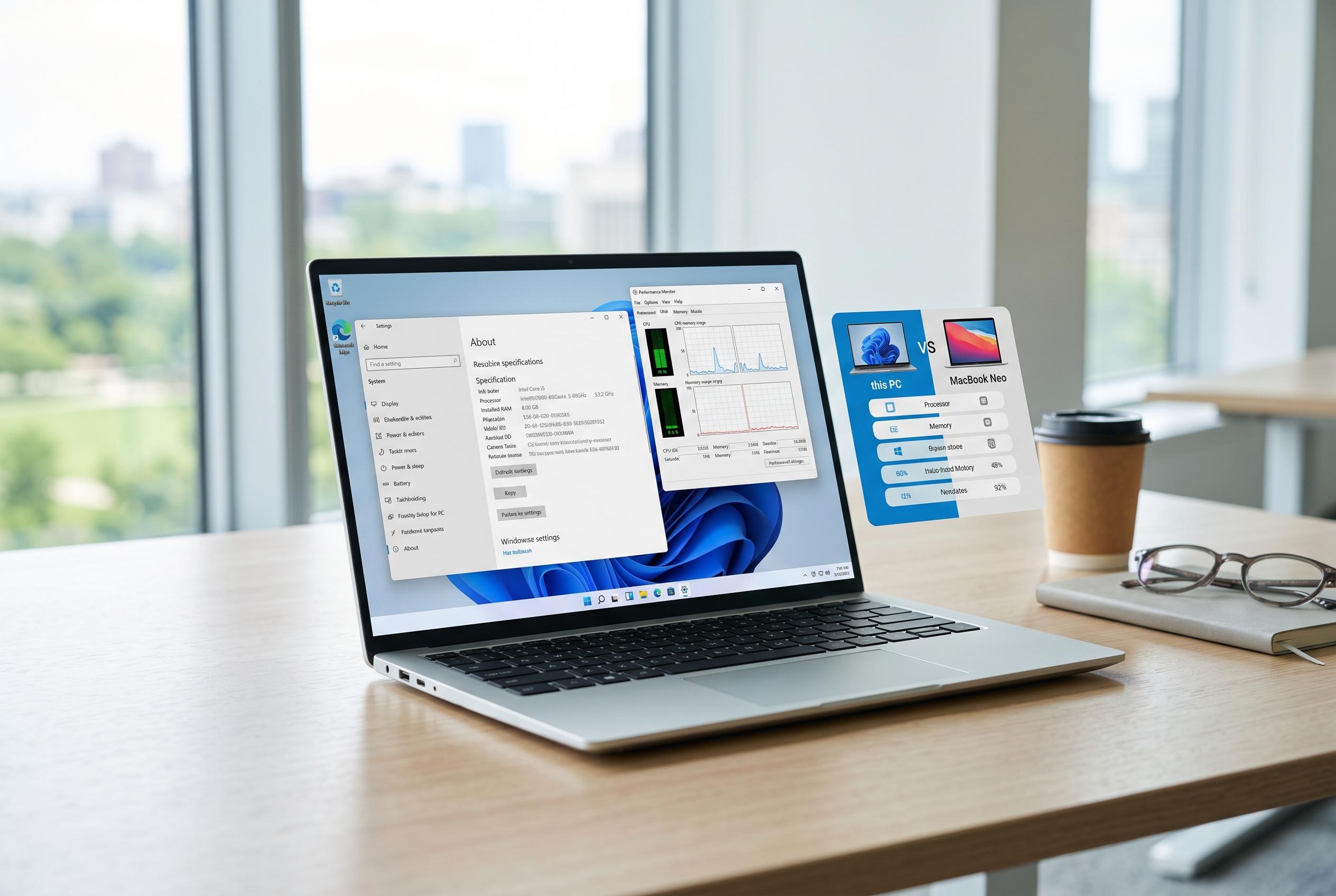

Microsoft is set to implement significant Windows 11 optimisations aimed at improving responsiveness on budget PCs with 8GB RAM, responding to competitive pressure from Apple’s MacBook Neo and evolving hardware supply conditions.
Microsoft is preparing a series of Windows 11 changes aimed at reducing memory use on PCs with 8GB of RAM, a move that reflects both tighter supply conditions and stronger competitive pressure in the low-cost notebook market. According to IDC analyst Jitesh Ubrani, Apple’s MacBook Neo has helped force the issue by changing expectations for what an inexpensive laptop can deliver.
The shift comes as memory prices rise and laptop makers reconsider their hardware configurations. Windows Central reported that Microsoft’s Windows design and research team is targeting the operating system’s memory footprint across the stack, from the interface to kernel functions and drivers, with the goal of freeing RAM under pressure. The company also wants to manage preloaded apps more intelligently and is aiming to begin rolling out the changes before the end of the year.
Ubrani said the MacBook Neo is “putting real pressure on the entire PC ecosystem”, adding that vendors are likely to respond with better silicon, a more efficient Microsoft operating system and sharper promotional pricing. The remark points to a broader strategic problem for Windows manufacturers: if Apple can offer a low-cost machine with competitive performance and energy efficiency, rivals must narrow the gap without simply raising prices.
Microsoft’s move also follows a wider reassessment of memory requirements. TechRadar reported that the company has quietly stopped promoting 32GB as the ideal configuration for gaming and performance PCs, while Tom’s Hardware said the firm is trying to make Windows 11 run more smoothly on systems with 8GB of RAM as supply constraints bite. That marks a notable change for a platform that has long been criticised for carrying too much background overhead on modest hardware.
For users, the practical goal is simple: a more responsive Windows 11 experience on cheaper laptops, without forcing buyers into higher memory tiers that are becoming harder to justify. For Microsoft, the effort is also defensive. If the company can make Windows feel lighter and faster on mainstream machines, it may reduce the incentive for buyers to switch to macOS, Linux or SteamOS in search of better efficiency.
Disclaimer: This content is intended for informational purposes only. Readers are advised to exercise their own judgement, conduct due diligence, or consult a qualified expert before acting on any information provided.