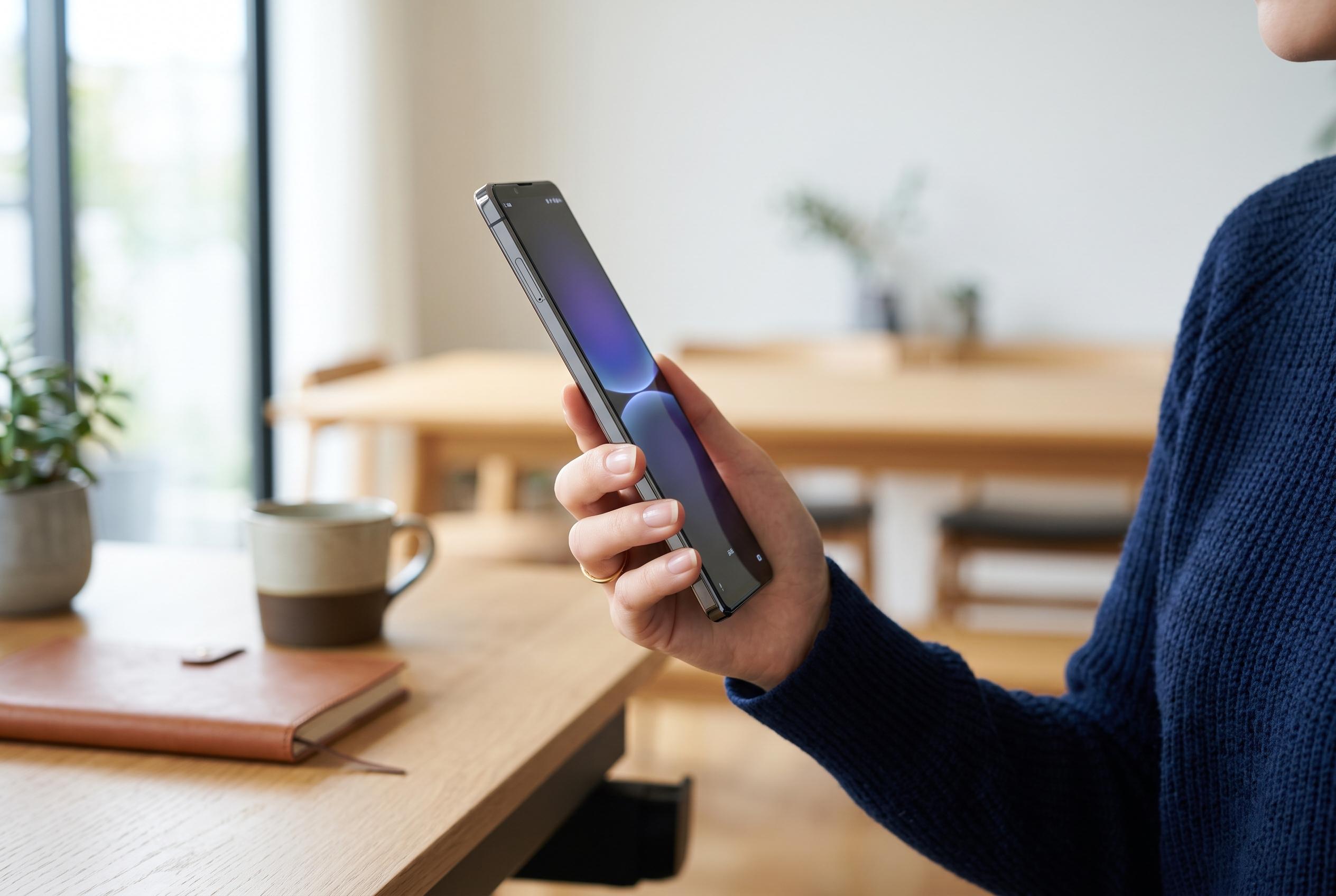

Emerging silicon-carbon battery technology is gaining traction among Chinese smartphone manufacturers, promising higher capacity and improved efficiency without increasing device thickness, potentially shifting the competitive landscape of premium mobile devices.
The smartphone battery problem has not gone away, even as processors have become faster, displays sharper and on-device artificial intelligence more demanding. A growing group of handset makers is now betting that silicon-carbon cells can give them a practical way to raise capacity without making phones thicker, and early examples suggest the technology may be changing the competitive balance in high-end devices. According to industry coverage from Windows Central and Tom’s Guide, the appeal lies in a simple trade-off: more energy in the same physical space, with faster charging and better efficiency.
Conventional phones still rely mainly on lithium-ion batteries with graphite anodes, but graphite is nearing its practical ceiling for lithium storage. Researchers at the US Department of Energy have long noted that silicon can theoretically store far more lithium than graphite, which is why it has attracted so much attention from battery engineers. The problem is that silicon expands sharply as it charges and discharges, which can crack the cell structure and shorten its life. Silicon-carbon designs try to solve that by embedding silicon within a carbon framework, giving the material room to expand while preserving stability.
That approach is already visible in products from Chinese manufacturers. Windows Central reports that devices such as the Oppo Find N5 and OnePlus 15 have reached battery sizes as high as 7,300mAh while remaining relatively slim, a scale that would have been much harder to achieve with older cells. Tom’s Guide says the OnePlus 15 uses a silicon-carbon battery with roughly 15% silicon content and delivered more than 25 hours of battery life in testing. The practical benefit for users is not only longer endurance, but also less frequent charging, which can help reduce wear over time.
Huawei was among the first major brands to introduce silicon-carbon batteries in some Mate and P series phones, according to the supplied report, and other Chinese vendors including Xiaomi and Honor have followed with similar work. Their interest reflects a broader shift in smartphone design. As devices take on heavier workloads from gaming, streaming and AI features, battery chemistry is becoming a more important differentiator than incremental software tweaks. The move also helps manufacturers respond to consumer demand for larger batteries without sacrificing the thin profiles that have become standard in flagship handsets.
There are still limits. Windows Central notes that silicon-carbon cells are more expensive and may carry some durability concerns compared with premium lithium-ion batteries, even if the higher capacity can offset some of that risk by reducing charge cycles. For now, adoption remains concentrated among Chinese brands, while Apple and Samsung appear to be moving more cautiously after years of battery safety scrutiny. Even so, the direction of travel is clear: after years of incremental gains, battery chemistry is again becoming one of the most important battlegrounds in smartphone hardware.
Disclaimer: This content is intended for informational purposes only. Readers are advised to exercise their own judgement, conduct due diligence, or consult a qualified expert before acting on any information provided.