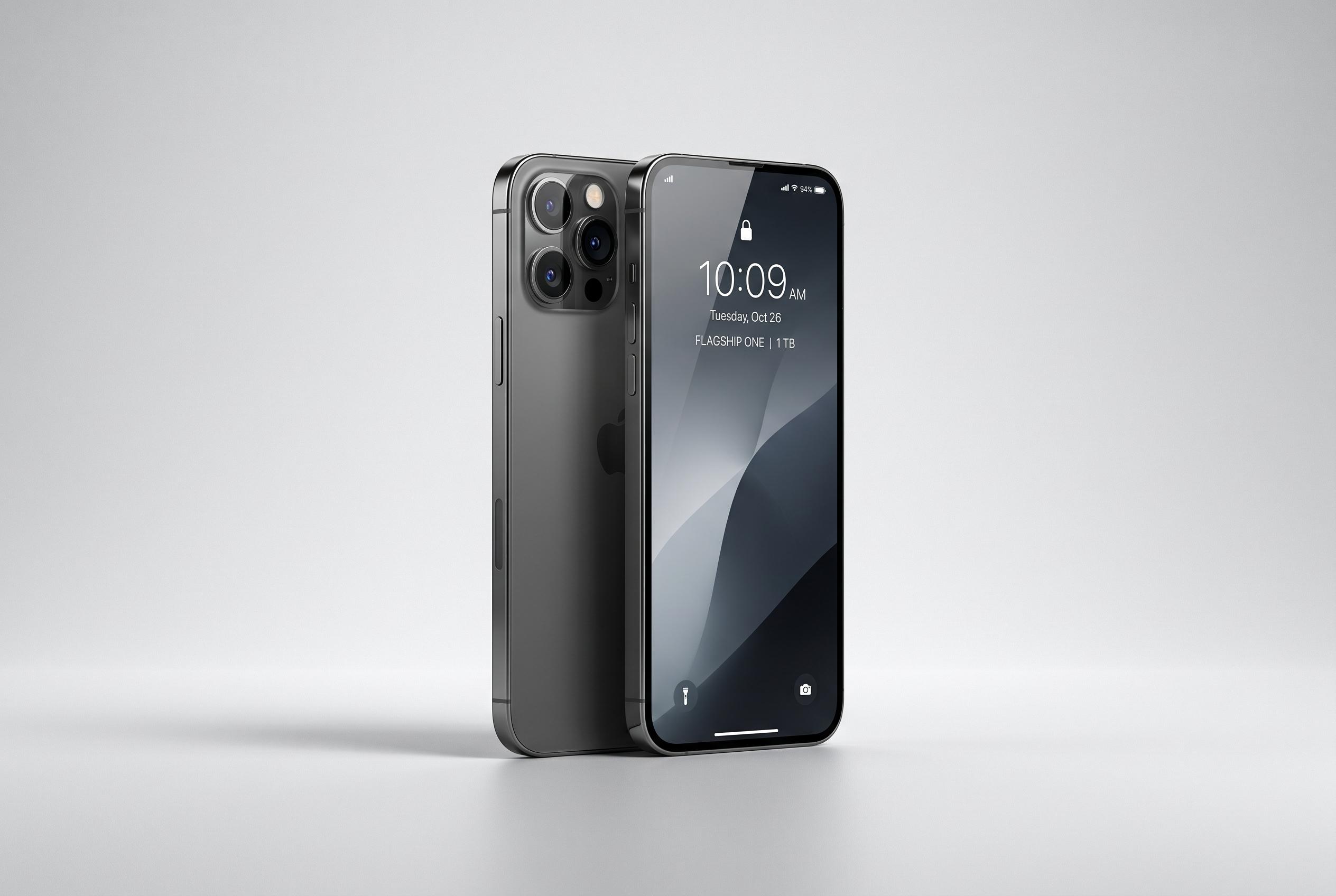

As content creation and gaming demand grow, leading brands like Samsung, Apple, and Google are pushing 1TB storage as the new norm in flagship phones by 2026, transforming consumer expectations and buying criteria.
Smartphone storage has become a practical buying consideration rather than a spec-sheet footnote. As cameras, games, AI tools and mobile editing software grow heavier, 128GB no longer stretches far for many users and even 256GB can disappear quickly once large video files and high-resolution photos pile up. In 2026, the flagship tier is increasingly defined by 1TB models, with Samsung, Apple and Google among the brands pushing the upper end of consumer storage.
Samsung’s Galaxy S26 Ultra is one of the clearest examples. Samsung’s own US store lists a 1TB version, and recent reviews say the phone pairs that capacity with a Snapdragon flagship chip, a 200MP camera system and S Pen support. TechRadar called it Samsung’s strongest Android phone to date, while Android Central said the device leans as much on software and privacy features as on hardware. Apple’s iPhone 18 Pro Max is also expected to reach 1TB, with reports from PhoneArena suggesting it may go even higher, to 2TB, when it arrives in September 2026. Google’s Pixel 11 Pro XL, meanwhile, is presented as a 1TB contender with the company’s familiar emphasis on AI photography and long software support.
Beyond those headline names, the rest of the storage-heavy field reflects how diverse flagship demand has become. OnePlus, Xiaomi, OPPO and Vivo are all positioned around large-capacity models aimed at users who shoot and edit a lot of content on their phones. Gaming brands are also leaning into the trend: ASUS’s ROG Phone line and REDMAGIC’s devices are built to hold large libraries of graphics-intensive titles without constant clean-ups or cloud workarounds. Honor’s Magic8 Pro rounds out the list as a productivity-and-entertainment flagship with ample space for app-heavy users.
The broader pattern is straightforward. As smartphone makers add better video capture, more on-device AI and more demanding games, storage is becoming a more important purchasing filter than it was a few years ago. For creators, photographers and people who use a handset as a primary work device, 1TB offers room for years of files, apps and media without frequent deletion. For everyone else, it remains overkill. But in the premium segment, bigger internal storage is increasingly the default ambition rather than an optional extra.
Disclaimer: This content is intended for informational purposes only. Readers are advised to exercise their own judgement, conduct due diligence, or consult a qualified expert before acting on any information provided.