
Australia’s Attorney-General has called for a swift review of smart glasses amid growing worries over covert recording and privacy violations, prompted by surging sales of affordable, discreet devices.
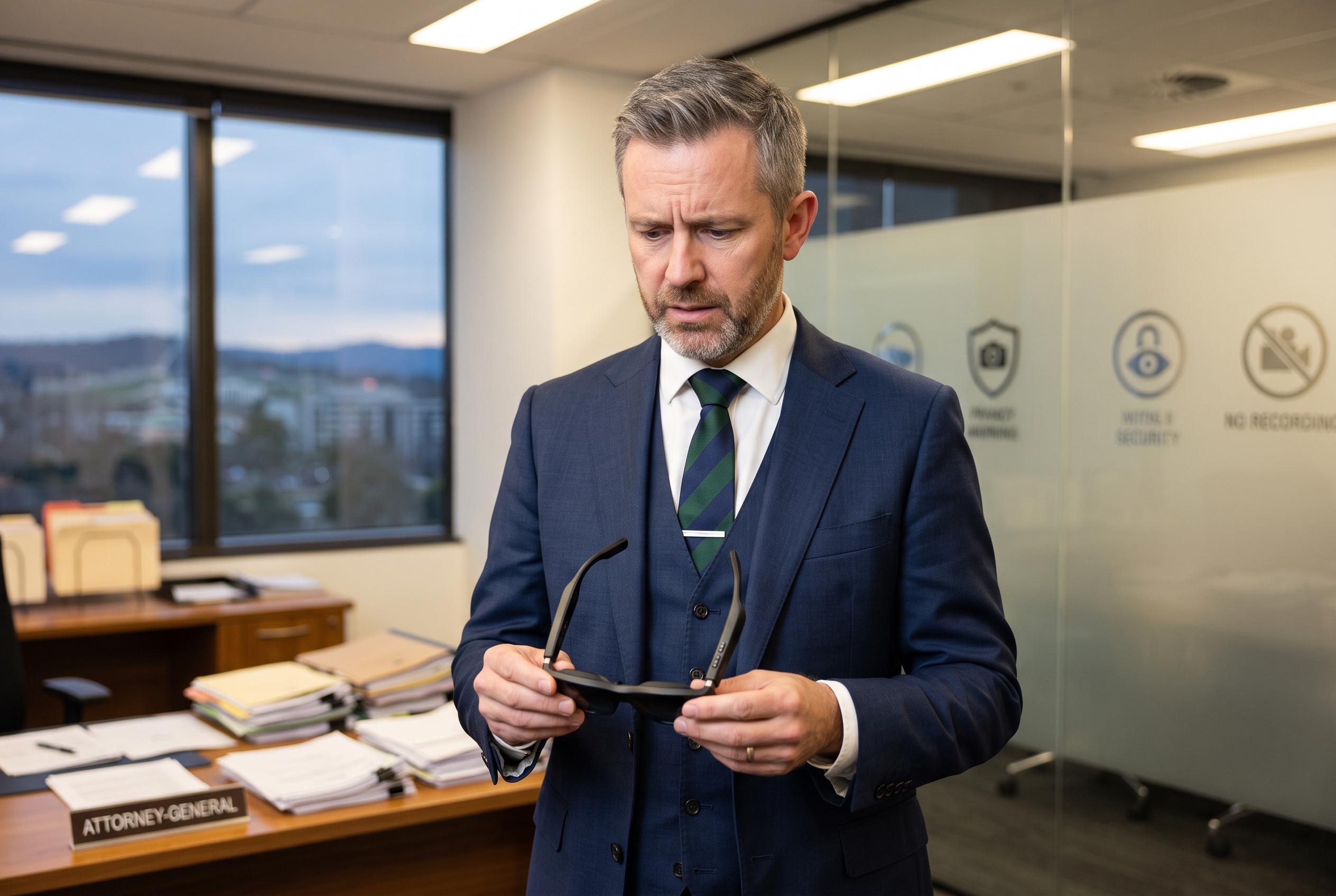
Australia’s Attorney-General Michelle Rowland has asked the privacy watchdog to give priority to a review of smart glasses, as concern grows that the devices could be used to record people without their knowledge. The Office of the Australian Information Commissioner has been asked to assess privacy risks linked to covert filming, harassment, surveillance and other harmful conduct, according to the Attorney-General’s Department.
The move follows a rapid rise in public interest in low-cost smart glasses, including an $89 Kmart model that sold out within days. The glasses can capture images and video, and their discreet design has heightened anxiety that bystanders may not realise when they are being recorded. Rowland said smart glasses are unlike many other gadgets because they can be used more surreptitiously, making it harder for people to know they are being filmed.
Privacy Commissioner Carly Kind has been among the most vocal figures warning about surveillance wearables. In comments published recently, Kind said privacy is not about being hidden at all times, but about being able to choose the conditions under which people move through the world. She argued that the spread of smart glasses, along with future wearable devices such as pins or advanced earbuds, could alter everyday interactions in public and private spaces and make it easier for people to be filmed, recorded or photographed without their knowledge.
The review arrives as Australia continues broader privacy reform. The Attorney-General’s Department says the Privacy Act 1988 remains the main federal law governing personal information, while recent amendments have strengthened enforcement powers and increased penalties. At the same time, the public debate over smart glasses is complicated by their clear practical value: the ABC reported in July that AI-powered glasses are helping blind and low-vision users identify objects, read labels and gain independence. That usefulness, however, has been matched by concerns from researchers and legal experts that the same devices can enable covert surveillance in ways the law has yet to fully address.
Disclaimer: This content is intended for informational purposes only. Readers are advised to exercise their own judgement, conduct due diligence, or consult a qualified expert before acting on any information provided.