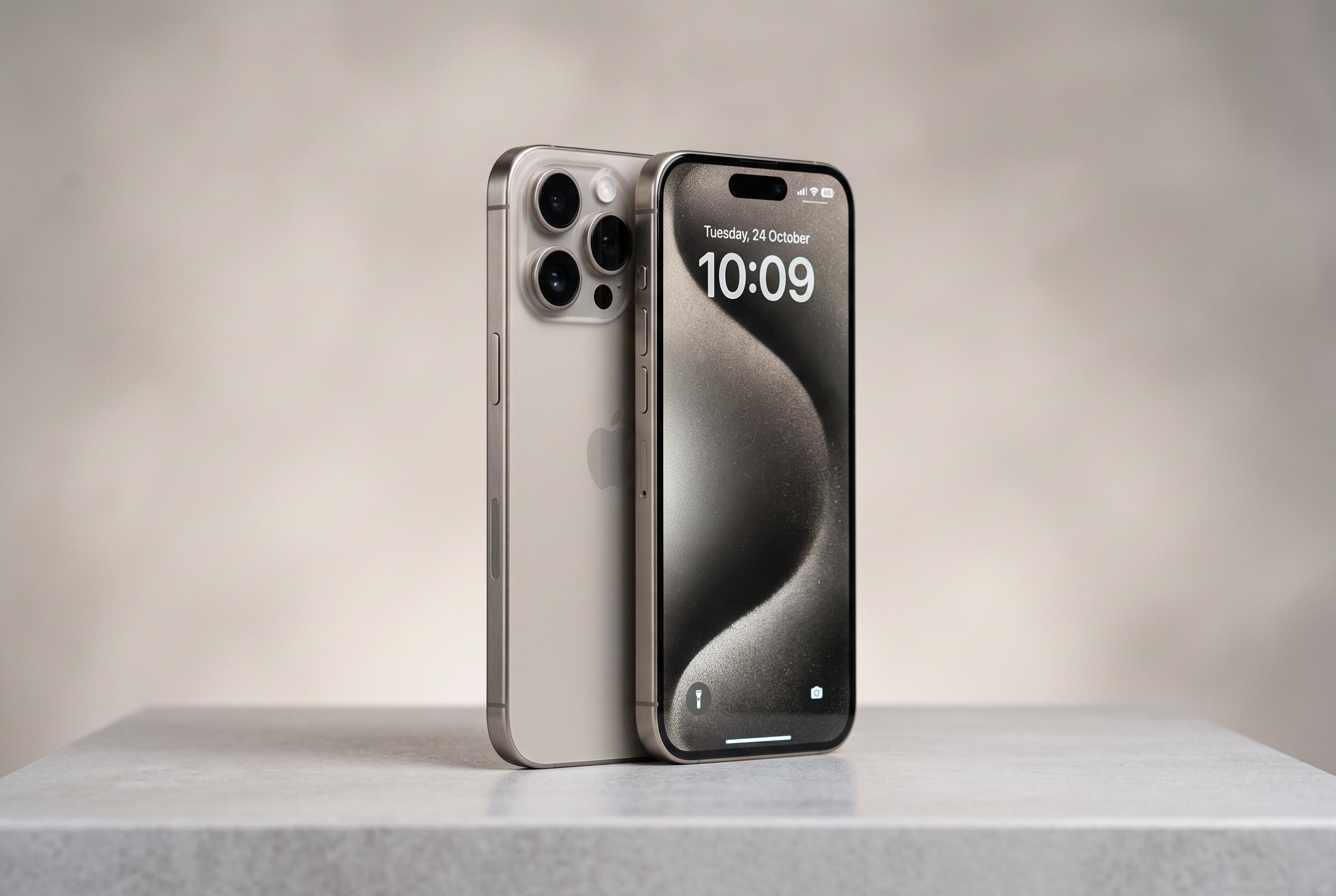

A surge in demand and supply constraints are reversing traditional resale values for used iPhones in 2026, signalling a new phase in the second-hand smartphone market where devices now appreciate rather than decline in value.
Refurbished iPhones are becoming harder, and more expensive, to buy as a combination of stronger demand and tighter supply overturns a long-standing rule of consumer electronics: that used devices steadily lose value. In 2026, prices for pre-owned Apple handsets have moved in the opposite direction, according to industry reporting, as owners keep phones for longer and retailers struggle to replenish stock.
The change reflects a broader shift in the smartphone market. Omdia said global shipments into the refurbished channel reached 298 million units, overtaking the 289 million units sent to new smartphone makers, a milestone that shows the second-hand market is no longer a niche. That has turned refurbished inventory into a crucial part of the supply chain, but also a fragile one, because it depends on consumers choosing to sell older devices back into the market.
Retailers and resale platforms are feeling the strain. Companies such as Cashify, ControlZ and ReFit Global are expanding their physical presence, but they are still contending with a shortage of usable handsets. Consumers are holding on to phones for longer, while the cost of new devices has risen because of higher component prices and memory chip shortages. According to Recirq Global, demand for refurbished phones has accelerated in 2026 as buyers look for a lower-cost route into premium models, especially within Apple’s ecosystem.
Apple has also been active in the refurbished channel. MacRumors reported in June that the company began selling certified refurbished iPhone 16e units in the US at $419, down $180 from the original price, while earlier in the year it added refurbished iPhone 16, 16 Plus, 16 Pro and 16 Pro Max models to its online store with discounts of 12% to 22%. Even so, RefurbMe says refurbished Apple prices usually fall over time, with sharper drops after new launches, making the current strength in resale prices unusual and a sign that supply pressure is outweighing normal depreciation.
Disclaimer: This content is intended for informational purposes only. Readers are advised to exercise their own judgement, conduct due diligence, or consult a qualified expert before acting on any information provided.