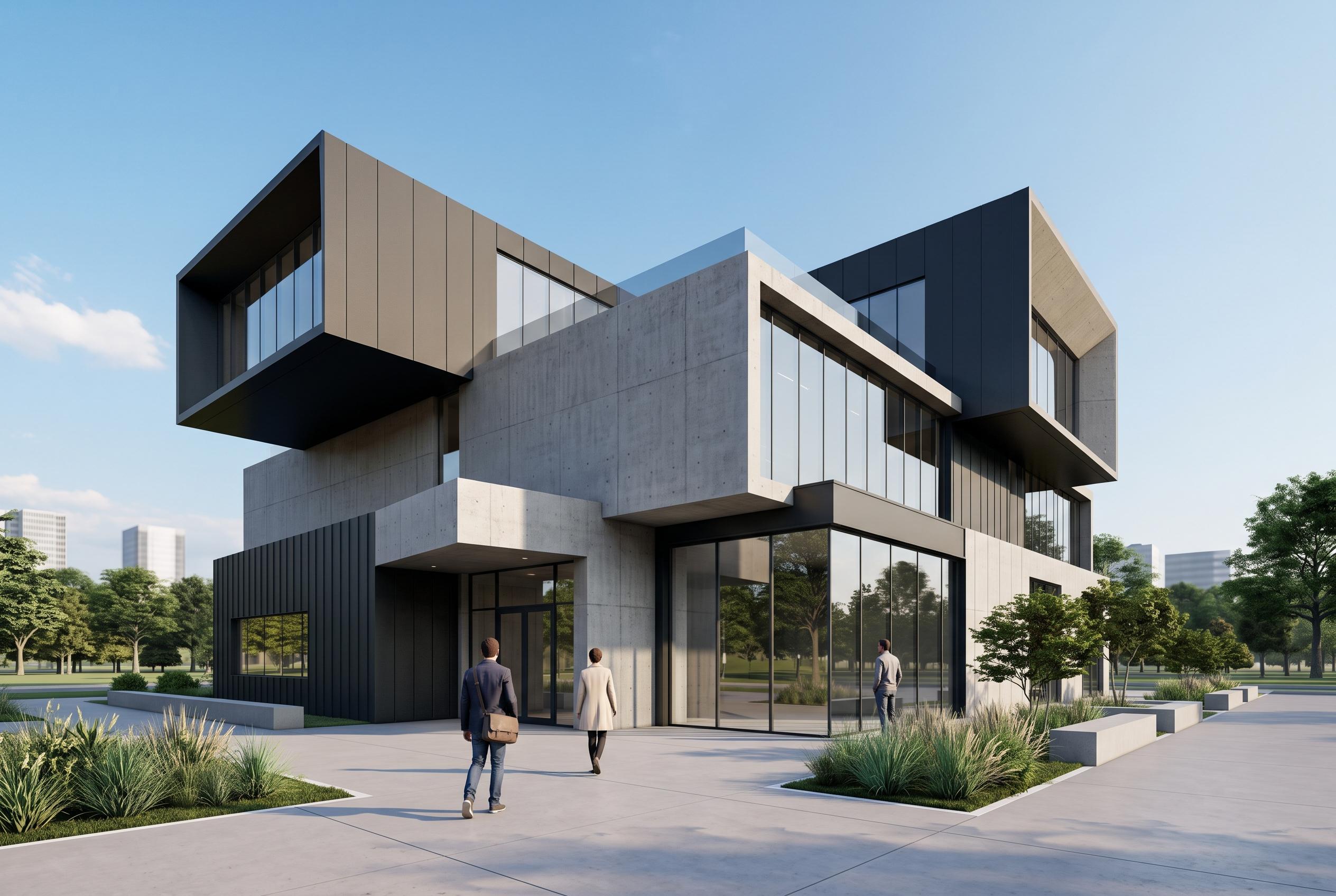

A new web-based tool, ArchVizr, aims to revolutionise architectural visualisation by delivering photorealistic renders directly from SketchUp exports without altering original models, in under a minute.
ArchVizr, a new web-based rendering tool aimed at SketchUp users, is trying to remove one of the most familiar frustrations in architectural visualisation: the gap between a clean model and a convincing image. The team behind it says the service takes a SketchUp export or even a hidden-line screenshot and returns a photorealistic view from the same camera angle, with the geometry left intact. It does not require a plugin or an additional CAD licence, and the company says a render usually arrives in under a minute.
That promise is designed to address a common problem in AI-assisted visualisation: unwanted changes to the building itself. The ArchVizr team says earlier tools sometimes altered window positions or resized openings, which could go unnoticed until late in a client review. By contrast, ArchVizr is pitched as a rendering layer rather than a redesign engine, preserving the original elevation and using it as the basis for the output.
The tool is being introduced alongside a limited beta programme. The company is offering a free month of its Starter plan to early testers and says it wants feedback from real projects, especially where the geometry is handled incorrectly. Its current feature set includes exterior rendering with alternative façade materials, interior views that carry the same material palette through from the exterior, landscape context such as planting and paving, and relighting options that change the time of day without requiring a fresh export.
ArchVizr arrives in a crowded but fast-moving market for AI rendering tools that work with SketchUp and other design platforms. Industry guides on AI visualisation say these systems can turn a scene export into a polished image in seconds or under a minute, reducing the time and setup normally associated with traditional rendering workflows. Other services, including Maquete.ai, Neurorenders and AI Render Studio, make similar claims about preserving geometry while adding photorealistic materials, lighting and style controls, underlining how quickly AI has become part of the architectural presentation workflow.
Disclaimer: This content is intended for informational purposes only. Readers are advised to exercise their own judgement, conduct due diligence, or consult a qualified expert before acting on any information provided.