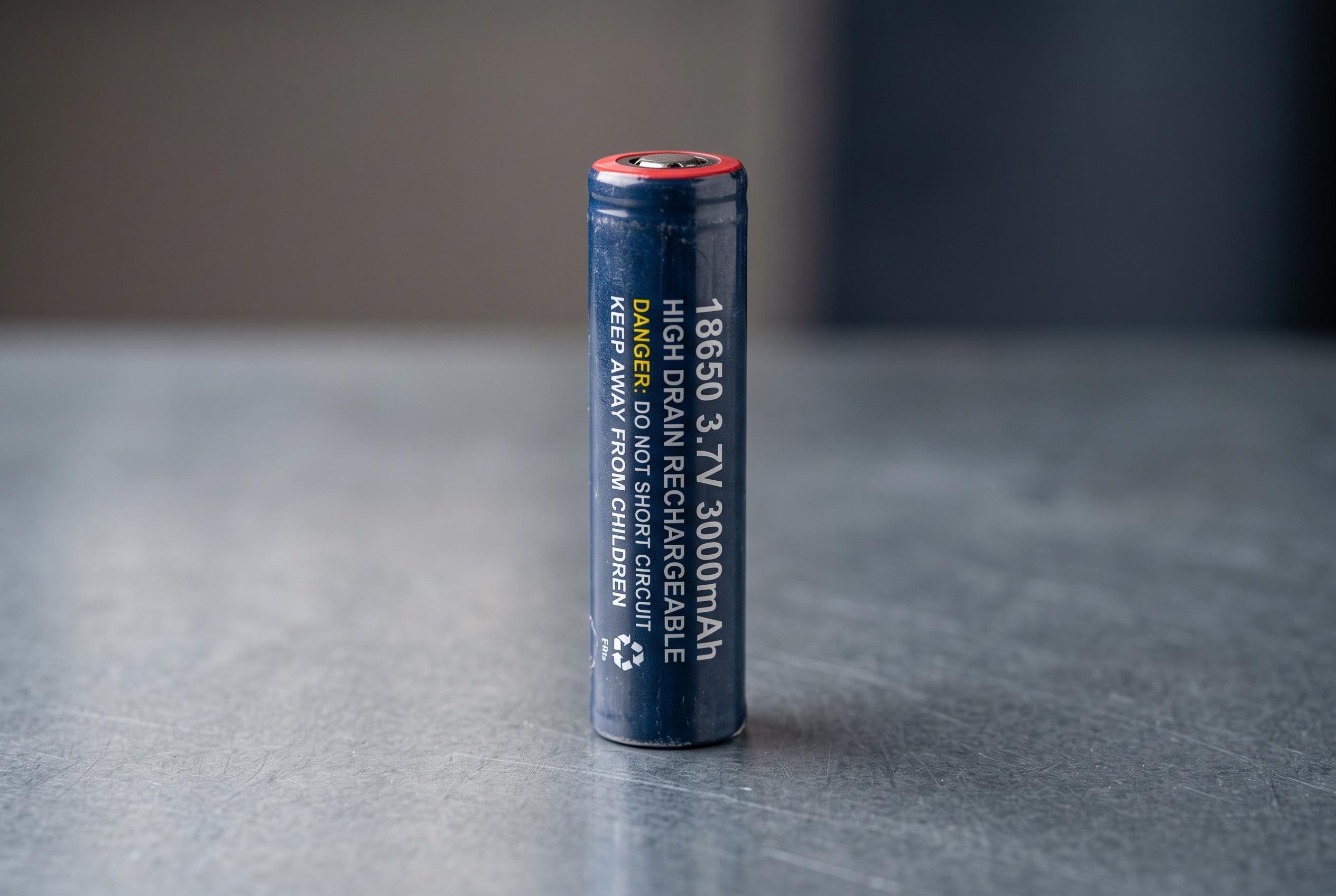

A comprehensive guide to selecting vape batteries safely, emphasising the importance of matching device specifications, purchasing genuine cells, and proper handling to minimise risks and optimise performance.
Buying a vape battery for the first time can look more technical than it is, but the main rule is straightforward: use the battery your device is designed to accept. The product manual or specification sheet should name the correct format, usually 18650 or 21700, and that should be treated as the starting point rather than a suggestion. Simply Eliquid says the safest approach is to buy a genuine high-drain cell from a reputable seller, avoid damaged batteries and follow the manufacturer’s requirements closely.
The two battery formats most buyers encounter are 18650 and 21700, both cylindrical lithium-ion cells. The larger 21700 can offer more capacity, but that does not make it automatically better. A smaller 18650 may be the correct and safest option if the mod was built for that size. The Vape Giant and Black Note both stress that battery choice should be driven by device compatibility and power demand, not by size alone.
Capacity, shown in milliamp-hours or mAh, tells you how much energy a battery can store. A higher figure usually means longer use between charges, but it does not tell the full story. Vapable and Rokin Vapes both note that capacity has to be considered alongside discharge performance, especially in higher-powered devices. In simple terms, a bigger battery is not useful if it cannot safely deliver the current your vape needs.
That current limit is usually described as the continuous discharge rating, or CDR, and it matters because vaping can put a heavy load on a cell. Simply Eliquid says ordinary users of regulated mods do not need to perform electrical calculations, because the device electronics regulate power to the coil. That is different from mechanical or unregulated devices, where battery knowledge and Ohm’s law become far more important. Battery Vape and Vapable also emphasise the need to match battery chemistry, rating and charger to the device.
Where the battery comes from matters almost as much as which battery it is. Counterfeit and rewrapped cells are a known risk, so the safest option is to buy from a trustworthy retailer with a controlled supply chain. The Office for Product Safety and Standards, as cited by Simply Eliquid, recommends genuine batteries made for the device. For dual-battery mods, matching cells are the best practice: same model, same age and used together as a pair rather than mixed with a newer cell.
Inspection and storage are basic but essential. A battery with a torn wrap, damaged insulator, dents, swelling, corrosion or leakage should not be used. Spare cells should be carried in a plastic case, not loose in a pocket or bag with keys or coins. Charging should be supervised and done with a charger suited to the cell type. When a battery no longer holds charge properly or starts to run hot, it should be replaced and taken to the proper recycling point rather than thrown in household waste.
Disclaimer: This content is intended for informational purposes only. Readers are advised to exercise their own judgement, conduct due diligence, or consult a qualified expert before acting on any information provided.