
Integrated smart home systems offering comprehensive risk management are driving notable insurance premium reductions, with policies increasingly favouring devices that prevent water damage, fires, theft, and weather-related risks.
Smart home devices are increasingly being used for more than convenience. For homeowners, they can also reduce the likelihood of expensive claims and, in some cases, lower insurance premiums. Insurers tend to favour equipment that helps prevent water damage, fire, theft and temperature-related losses, although the size of any discount depends on the carrier, the state and the type of device installed, according to NerdWallet and Amica.
Water leak sensors are among the most consistently valuable additions. These devices detect moisture early and send alerts before a small leak becomes major damage. Some systems can also trigger an automatic shut-off valve, which insurers often treat as stronger protection than detection alone. Guides on smart-home discounts say leak prevention systems commonly qualify for savings because water losses are frequent and costly.
Smart smoke alarms and carbon monoxide detectors can also help. Their main advantage is remote notification, which allows a homeowner to respond even when away from the property. Amica says its smarter-home programme includes fire alarms and temperature-monitoring systems, while other industry guides note that insurers often reward monitored fire protection more generously than basic stand-alone devices.
Security systems remain another important category. Professionally monitored alarms, in particular, are often linked to larger discounts than self-monitored setups because they can alert authorities automatically during a break-in. Industry guides put typical savings for monitored systems in the 5% to 20% range, though the exact figure varies widely by insurer.
Smaller devices such as smart locks and video doorbells may not produce the biggest premium cuts on their own, but they still add useful layers of risk reduction. In practice, these products are often treated as part of a broader security package rather than as separate discount drivers. Homeowners who combine them with a monitored alarm system are more likely to create a qualifying bundle.
Temperature controls matter as well. Smart thermostats and related monitoring systems can help prevent frozen pipes and other weather-related damage by warning owners when conditions become unsafe. Madison Mutual Insurance says its smart home credit applies to several qualifying devices, including smart thermostats and water shut-off systems, and can reach up to 15% depending on the number of approved devices installed.
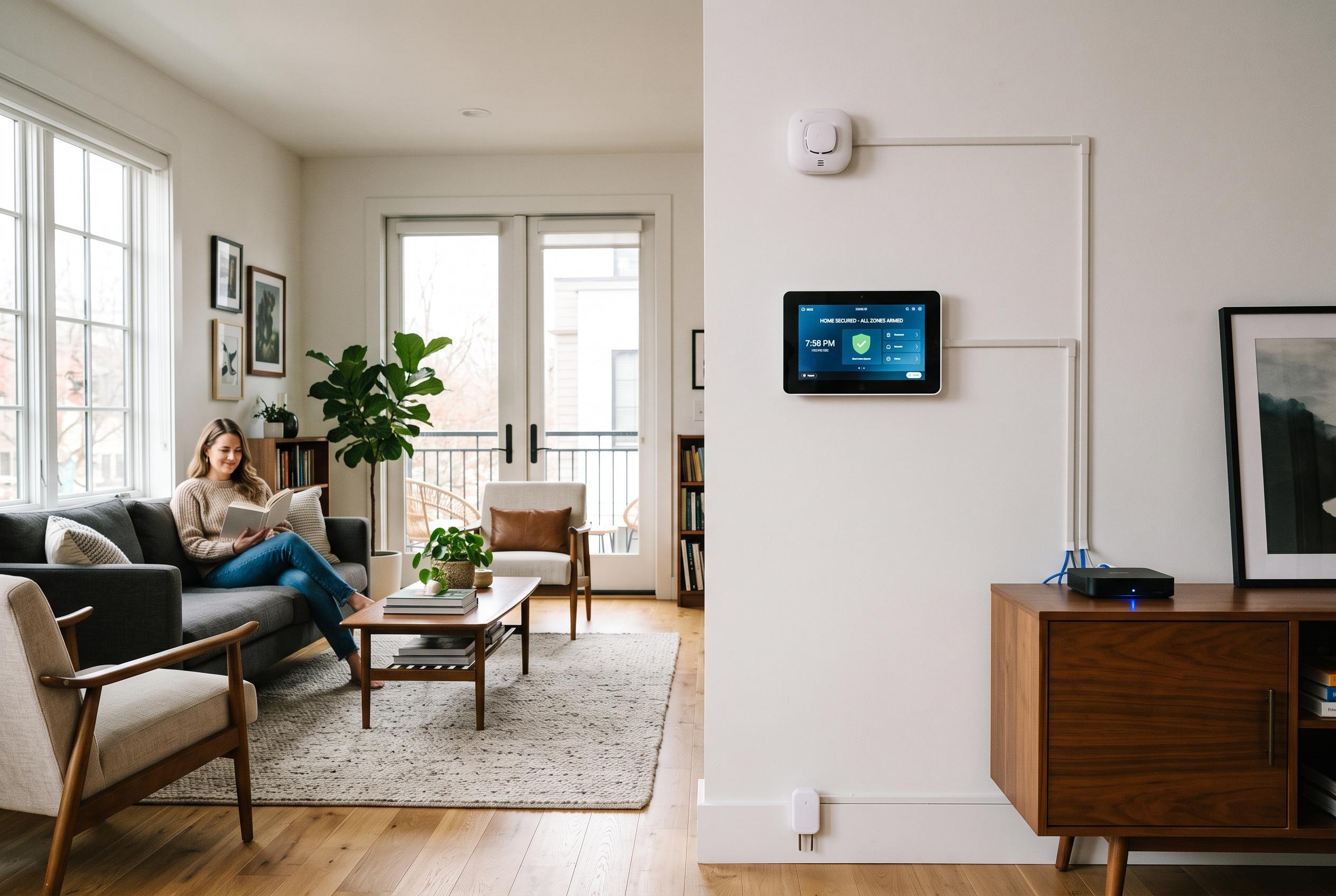
The biggest savings often come from systems that connect several devices into one platform. A central hub can coordinate leak detection, fire alerts, security and climate monitoring, giving insurers a clearer picture of how risk is being managed. Still, documentation is important. Several sources note that policyholders usually need to notify their insurer, provide proof of installation and sometimes use third-party monitoring before a discount is approved.
The practical lesson is simple: not every smart device will qualify at every company, and discount rules can differ sharply. Homeowners planning an upgrade should check carrier requirements before buying equipment, especially if they want the system to pay off through both protection and premium savings.
Disclaimer: This content is intended for informational purposes only. Readers are advised to exercise their own judgement, conduct due diligence, or consult a qualified expert before acting on any information provided.