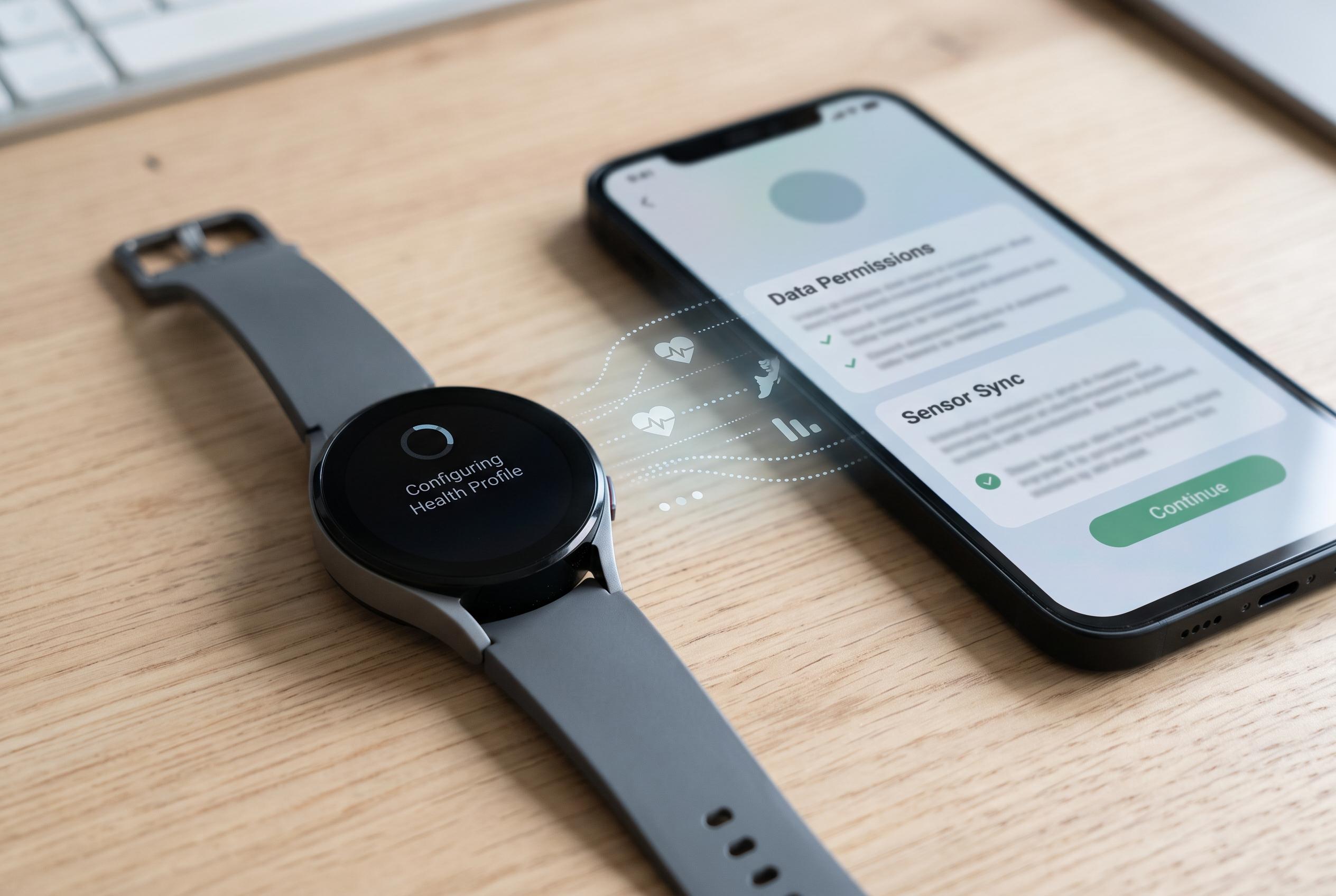

Samsung’s Galaxy Watch9 introduces personalised health scoring features that depend on extensive data collection and device compatibility, raising questions about its immediate utility for users and wellness programmes.
Samsung’s latest wearable is designed to do more than collect step counts and sleep totals. The Galaxy Watch9 turns overnight readings, exercise load and body-composition data into a set of personalised health scores, but each feature depends on its own setup, minimum tracking period and compatible software.
Samsung introduced the Galaxy Watch9 on July 22, 2026, and began rolling it out in select markets on August 7. The practical issue for buyers is not the launch itself, but what must be in place before the watch’s health tools begin producing readings that are useful rather than merely decorative.
Vitals is the broadest of the new measures. It combines five overnight signals: heart rate, heart-rate variability, blood oxygen, breathing rate and skin temperature. Samsung says the feature compares those readings with a personal baseline, which is why it needs at least seven nights of sleep data before it becomes meaningful. The company also requires Android 13 or later, Samsung Health 7.0 or later and a Samsung account.
Daily Cardio Load follows a different logic. It looks at activity that pushes the heart rate into Zone 3 or above and needs at least seven days of records before it can calculate a score. Samsung recommends 28 days of uninterrupted wear for better accuracy, while noting that stress, tension and anxiety can also elevate the heart rate and distort the result. The feature is available on the Galaxy Watch7 and newer, so it is part of Samsung’s wider software platform rather than a Watch9-only function.
Fitness Index is more data-hungry still. It needs at least one bioelectrical impedance measurement, one VO2Max reading, two days of activity data and step counts before it can generate a score. Heart Health Score uses a separate set of inputs, including average sleep, moderate-to-vigorous activity, body mass index and vascular load. These measures may help users spot patterns, but they are not medical diagnoses.
Compatibility is another limiting factor. Samsung Health Monitor works only with supported Samsung phones and watches. In the US, the app supports ECG, sleep-apnoea monitoring and blood-pressure tracking on compatible devices. Blood-pressure monitoring requires calibration with a separate upper-arm cuff and must be recalibrated every 28 days. Samsung says the function is intended for wellness, not diagnosis or treatment.
The result is a more capable health platform, but also a more conditional one. For individuals and employers considering Galaxy Watches for wellness programmes, the key questions are less about the headline features than about phone compatibility, regional availability and the discipline needed to collect enough data for the scores to stabilise.
Disclaimer: This content is intended for informational purposes only. Readers are advised to exercise their own judgement, conduct due diligence, or consult a qualified expert before acting on any information provided.