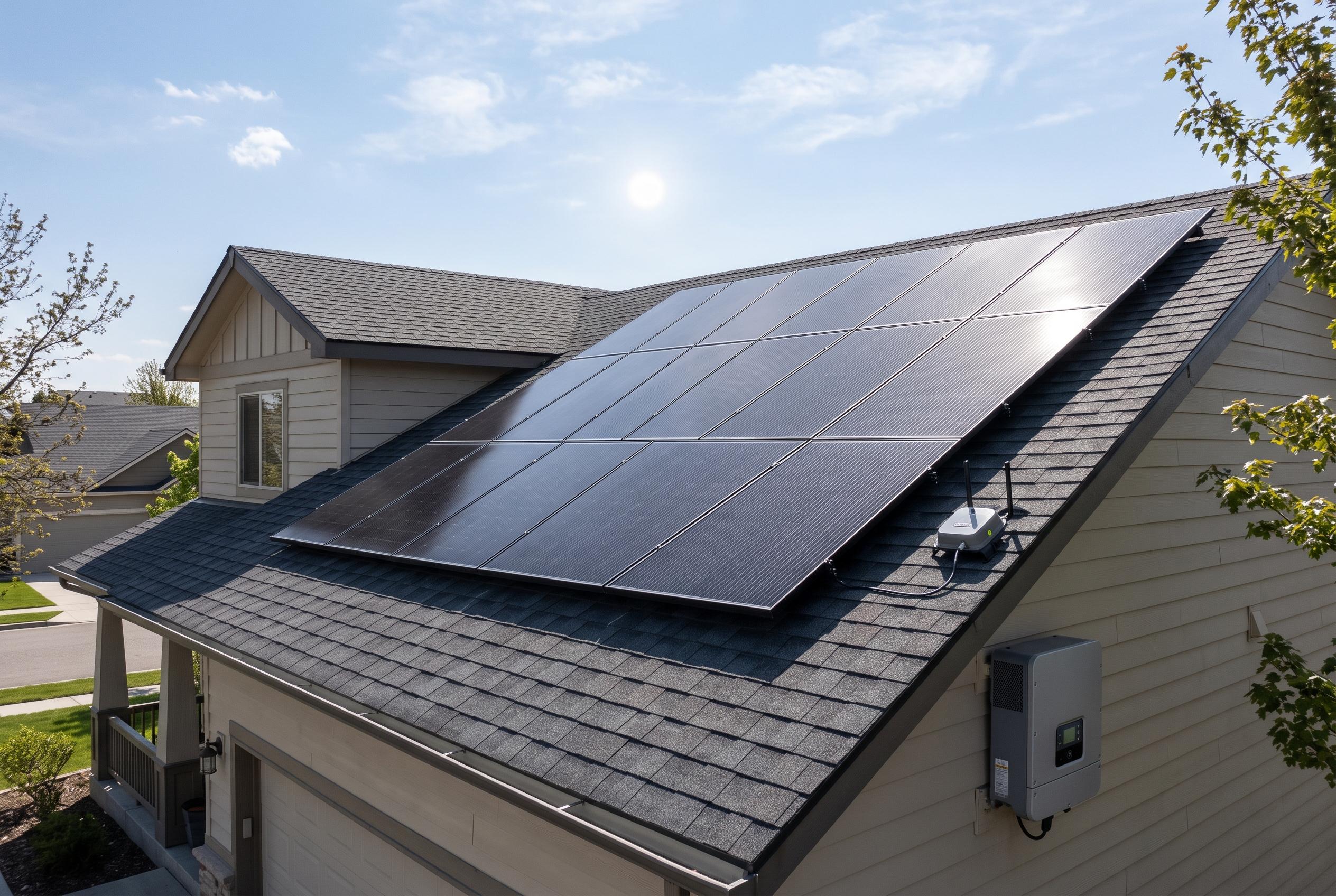

Optimising maintenance, usage, and technology integration can enhance solar system output, reduce costs, and lower household emissions for homeowners.
Home solar systems can lower electricity bills and cut household emissions, but they do not perform at their best simply because they are installed. The key is to treat them as active energy systems rather than fixed hardware. Small changes in maintenance and usage can improve output, shorten payback time and reduce reliance on the grid. Consumer Reports says homeowners often focus on installation costs and tax incentives, but ongoing upkeep and smart operation also matter.
One of the simplest gains comes from keeping panels clean and unobstructed. Dust, pollen and other debris can reduce output, even if the loss is not obvious at first glance. Shade is often a bigger problem. According to Live Sustainably, even partial shading from trees, chimneys or nearby structures can affect the performance of an entire array, so roof checks at midday and regular tree trimming can make a meaningful difference. The Home Depot’s installation guidance also stresses the importance of roof condition, orientation and shading before panels go up.
Battery storage can further improve the value of a home solar setup. Rather than sending all excess electricity back to the grid during the day, a battery allows households to save power for the evening, when consumption is often higher and solar production has fallen. That can increase self-consumption and reduce dependence on utility electricity. Consumer Reports notes that buyers should also consider compatibility with inverters and monitoring apps, since good system integration is important for managing energy efficiently.
Using high-demand appliances during peak sunlight hours is another practical step. Washing clothes, running a dishwasher or charging devices between about 10 am and 4 pm lets households use power when panels are producing most strongly. If no one is home at that time, timers on appliances or smart plugs can shift that demand automatically. Forbes has said that planning a solar system around household energy use, roof suitability and professional installation helps ensure the equipment matches real-world needs, while budget-focused guides such as Simpli also emphasise choosing components carefully without sacrificing quality. In practice, the best gains often come from these modest adjustments rather than from expensive upgrades alone.
Disclaimer: This content is intended for informational purposes only. Readers are advised to exercise their own judgement, conduct due diligence, or consult a qualified expert before acting on any information provided.