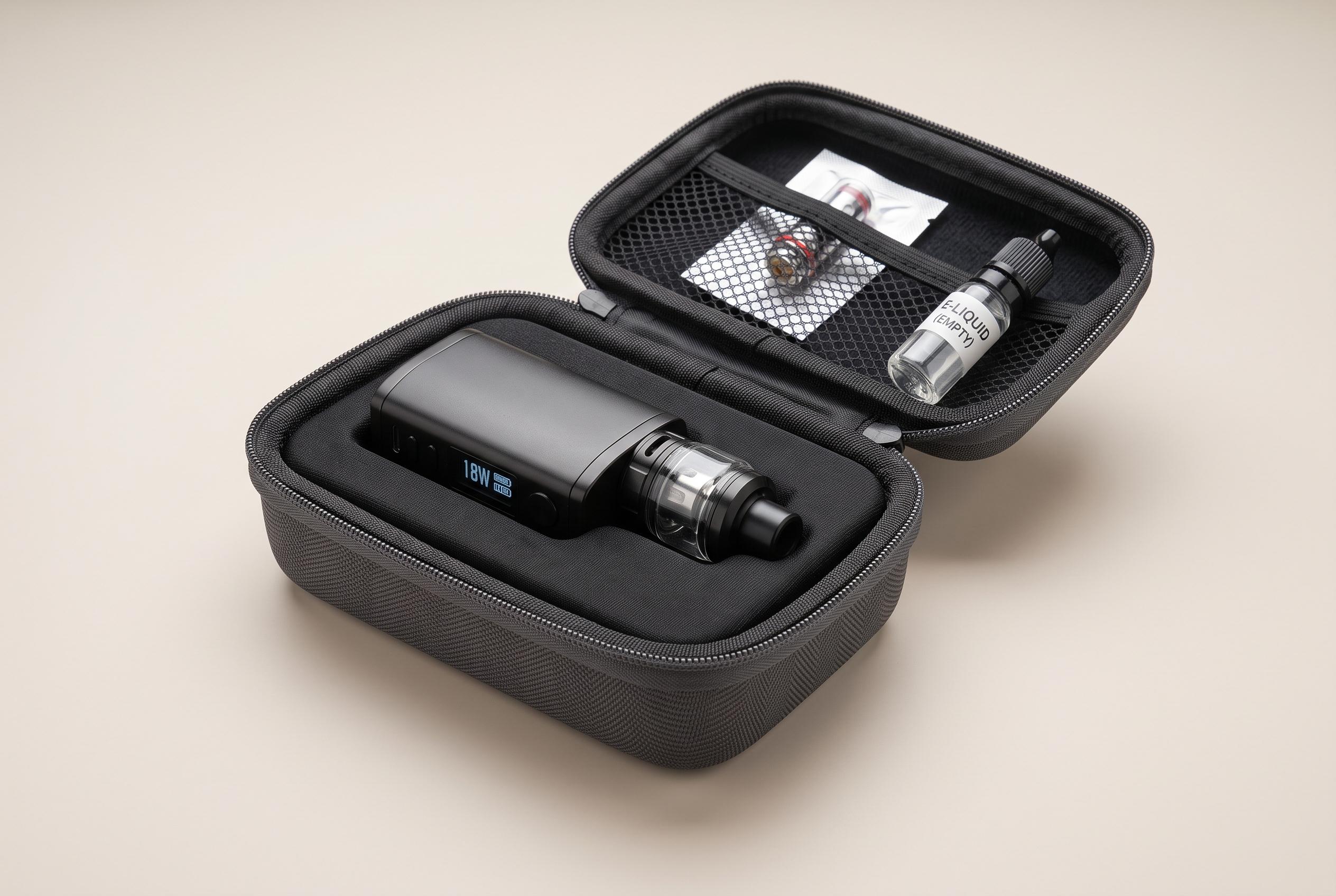

Updated guidance from industry experts and the FDA emphasises simple yet crucial routines for storing vaping products safely, reducing risks for users and their families.
Safe storage is a practical part of vaping safety, because e-liquids can change when they are exposed to heat, light and air, while devices carry batteries that can be damaged if they are handled carelessly. Guidance from the U.S. Food and Drug Administration and several vape industry guides points to the same basic rule: keep liquids sealed, keep devices protected and keep both away from children and pets. That matters not just for product quality but also for reducing the risk of leaks, accidental ingestion and avoidable damage.
E-liquid should be kept in its original container, tightly closed and stored somewhere cool and dark, such as a cupboard away from windows, heaters and other heat sources. Industry guides from Vapesales, Ecigone, Elfbar and Vaporauthority all recommend the same approach, noting that direct sunlight and warmth can affect nicotine and flavour compounds over time. Several of those guides also advise storing bottles upright and checking them before use if the liquid has changed in colour, smell or appearance.
Protection from children and pets is another recurring point. The FDA says e-liquids should be stored where they cannot be reached or mistaken for household products, and the same warning appears across the other guides. Keeping bottles in their sealed, original packaging helps reduce confusion and makes accidental opening less likely. If a spill happens, it should be cleaned up promptly rather than left on surfaces where someone could come into contact with it.
Devices and pods need similar care. Vaping equipment should be kept dry, away from pressure, and out of places where it could be dropped, crushed or left in direct sun. The guides also stress that stored pods containing liquid should be kept upright where possible, because pressure and heat can contribute to leaking. For devices with built-in or removable batteries, the key point is to follow the manufacturer’s instructions and avoid using any battery that is swollen, damaged, leaking or unusually hot.
Charging and travel add two more areas where caution matters. The advice across the supplied material is to charge on a stable surface, use the correct charger and disconnect the device once charging is complete. For removable batteries, contact with keys or coins should be avoided because metal objects can create a safety risk. When travelling, the Aviation Security Service says e-cigarettes and similar devices generally need to go in carry-on baggage rather than checked luggage in New Zealand, and e-liquid should be packed securely to reduce the chance of leaks.
In practice, the safest routine is simple: keep e-liquid sealed, cool and out of reach; store devices in a dry place; protect batteries from damage; and check the rules before travelling. The aim is not complicated maintenance but basic risk reduction. With a few consistent habits, users can lower the chance of accidental exposure, preserve product condition and spot faults before they become a larger problem.
Disclaimer: This content is intended for informational purposes only. Readers are advised to exercise their own judgement, conduct due diligence, or consult a qualified expert before acting on any information provided.