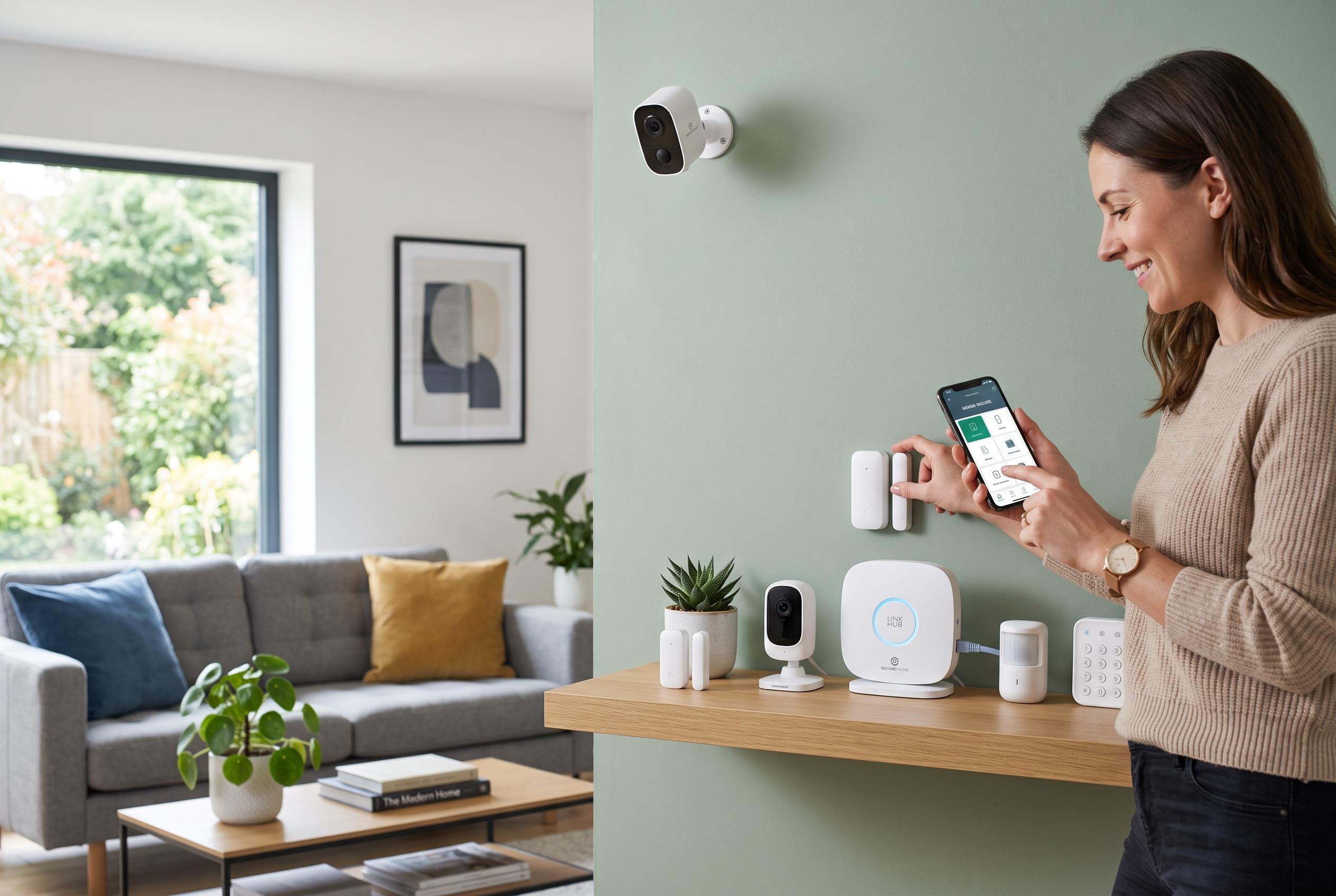

The latest generation of DIY home security systems offers faster setup, greater compatibility, and tailored features, challenging traditional professional installation with increased flexibility and consumer-driven innovation.
DIY home security has moved well beyond the days of clumsy sensor placement and one-size-fits-all installation. The strongest systems now promise set-up in about half an hour, with enough flexibility to suit awkward floor plans, rental homes and mixed smart-home ecosystems. In recent reviews, SimpliSafe has remained the benchmark for simplicity, Ring Alarm has stood out for network features and camera choice, Cove has appealed to users who want the least possible friction and Abode has kept its edge with broad third-party compatibility, according to reviews from Security Systems Review, Tom’s Guide and NerdWallet.
What separates these products is less the core idea than the details. DIY systems are attractive because they avoid installation appointments, long contracts and the higher upfront cost of professional fitting, but that trade-off shifts more responsibility to the owner. Security.org says the appeal is clear: lower cost, more control and easier relocation. The downside is that a self-installed system can be more vulnerable to setup mistakes, weak Wi-Fi coverage or user error if sensors are not placed or tested properly.
Installation is usually the first practical test. Security Systems Review and Tom’s Guide both emphasise that the best systems are the ones that pair quickly, require minimal wiring and are simple enough for a non-specialist to finish without help. SimpliSafe and Cove are often praised for fast set-up, while Abode typically takes longer because of its broader hub and integration options. Ring Alarm Pro adds another layer by doubling as a mesh router, which can be useful in homes where security hardware and wireless performance are both priorities.
For buyers with existing smart-home equipment, compatibility can matter more than price. Abode is repeatedly singled out for support for Z-Wave, Zigbee and Apple HomeKit, making it a stronger fit for households that already have smart locks, bulbs or thermostats from different brands. Ring, by contrast, is more tightly tied to its own ecosystem, while SimpliSafe and Cove lean towards proprietary hardware. That makes them easier to manage, but less adaptable if a user wants to expand later.
Monitoring remains the other major divide. Consumer Reports has warned that some wireless DIY systems can be exposed to jamming or replay attacks, underlining the importance of choosing equipment with stronger security features and keeping firmware updated. At the same time, DIY monitoring is cheaper, and for many users that is the point. Professional monitoring adds cellular backup and a human response layer, but it also adds recurring expense. For homeowners who want only local alerts and no monthly bill, budget systems such as Wyze can be appealing, although Tom’s Guide notes that its trade-offs include limited voice-assistant support and no cellular backup.
The right choice also depends on how much risk a household is prepared to manage. A self-monitored setup can work well for people who are home often, use dependable internet and are comfortable treating their phone as the first line of response. Professional monitoring is better suited to users who travel, need backup during outages or simply do not want to be the person who has to notice every alert. The broader market trend, reflected across the 2026 reviews, is that buyers now expect both ease and flexibility, and the leading systems are the ones that balance those demands without making the owner feel like the installer, support desk and emergency contact all at once.
Disclaimer: This content is intended for informational purposes only. Readers are advised to exercise their own judgement, conduct due diligence, or consult a qualified expert before acting on any information provided.