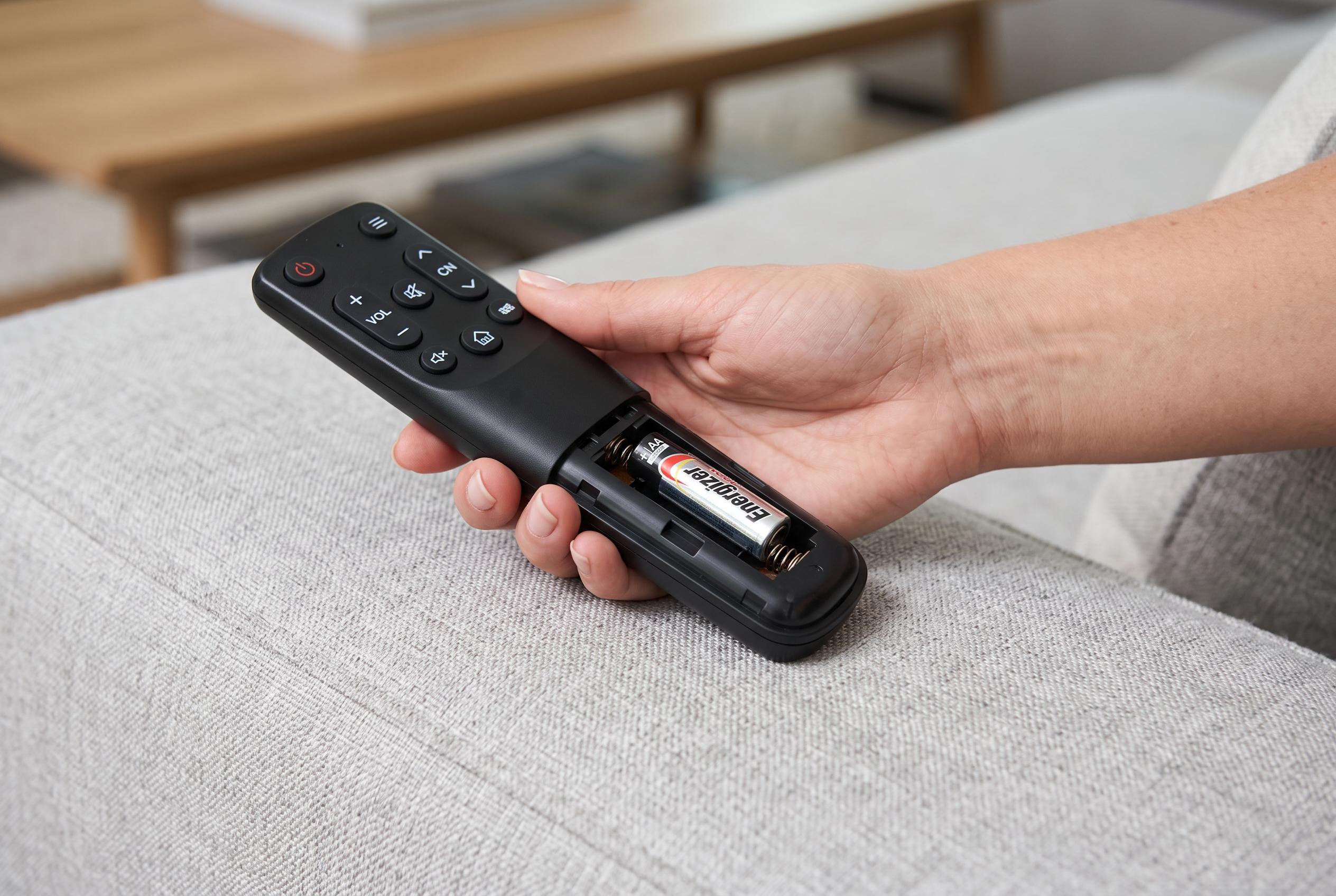

Simple tap tricks can temporarily improve remote control function by shifting battery contact, but biting batteries poses risks and does not extend lifespan, experts reveal.
People often resort to a quick knock on a TV or air-conditioner remote when it stops responding, or they pull out the batteries, rub them and even press them between their teeth before putting them back. Aaj Tak reported that these habits are common because they sometimes appear to revive a remote that has seemingly failed at the worst possible moment.
The explanation is less mysterious than it looks. According to reports from VnExpress and ScienceABC, a light tap can briefly restore a remote because it may shift the battery enough to improve contact between the terminal and the metal spring. Over time, a thin layer of oxidation or dirt can build up on those contact points, increasing resistance and interrupting the flow of current. A small jolt may break that barrier for a short time, which is why the remote can start working again.
That does not mean the battery has recovered or regained capacity. The effect is usually temporary and only helps the remote use whatever charge is left more effectively. In practical terms, the battery is not becoming stronger; the connection is merely improving long enough to let the remaining power pass through.
The tooth-pressing habit is a different matter. Aaj Tak noted that biting or crushing a battery can damage its outer seal, and battery-safety guidance warns against puncturing, bending or compressing cells. If the casing is compromised, the battery can leak, and that creates a risk of short-circuiting and injury. Sony Canada also says remote battery life can be shortened by heavy use of features such as backlighting, voice recognition and touchpad functions, while battery-care advice from other manufacturers stresses correct insertion, avoiding mixed old and new cells and storing devices properly. In other words, tapping may sometimes buy a little time, but it is a contact fix, not a cure.
Disclaimer: This content is intended for informational purposes only. Readers are advised to exercise their own judgement, conduct due diligence, or consult a qualified expert before acting on any information provided.