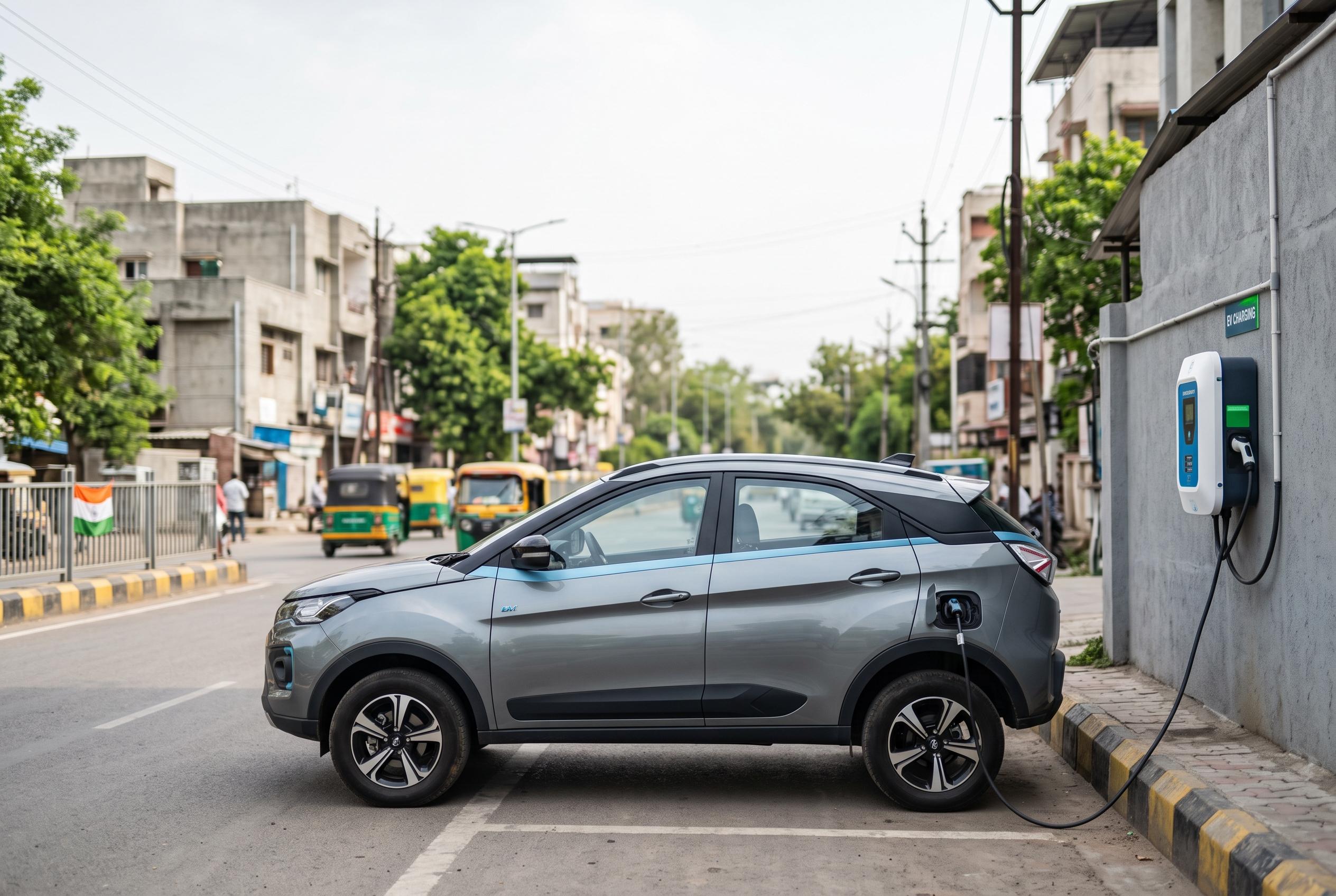

India’s PM E-DRIVE scheme has been extended until March 2028, providing a longer policy window to support electric mobility, charging infrastructure, and local manufacturing, potentially accelerating growth in the sector.
India’s PM E-DRIVE scheme has been extended until March 31, 2028, giving the country’s electric mobility sector more time under a policy framework designed to support adoption, charging infrastructure and local manufacturing. The move, announced by the Ministry of Heavy Industries in an official notification dated August 10, 2026, should help lift sentiment across the EV market, even as the scale and timing of support vary by vehicle segment.
According to reports on the revised scheme, PM E-DRIVE carries a total outlay of ₹10,900 crore and was originally due to run until March 2026. The extension is intended to address slow fund utilisation while keeping incentives in place for parts of the EV ecosystem that still need policy support, including electric buses, trucks, ambulances and charging infrastructure. Industry coverage also says the programme remains aimed at strengthening domestic manufacturing and reducing import dependence in key supply chains.
The detailed subsidy structure matters for investors and manufacturers alike. Reports say incentives for registered electric two-wheelers continue for purchases made between April 1, 2025 and March 31, 2028, but other summaries indicate that subsidies for electric two-wheelers and three-wheelers end on March 31, 2026, with larger commercial and fleet categories continuing to 2028. The government has also capped support per vehicle and signalled that incentive rates can be revised if vehicle costs fall, suggesting a more measured subsidy regime than earlier phases.
That policy backdrop is likely to keep attention on listed two-wheeler and EV names, including Ola Electric Mobility, Ather Energy, Bajaj Auto, TVS Motor Company and Hero MotoCorp. Pure-play EV makers such as Ola Electric and Ather stand to benefit most directly from demand support, while larger diversified groups such as Bajaj, TVS and Hero have the advantage of established sales networks, stronger balance sheets and EV businesses that can grow alongside their conventional portfolios. For investors, the key question is not just whether the subsidy window is longer, but whether the scheme can translate into sustained volume growth, deeper localisation and a broader charging network.
Disclaimer: This content is intended for informational purposes only. Readers are advised to exercise their own judgement, conduct due diligence, or consult a qualified expert before acting on any information provided.