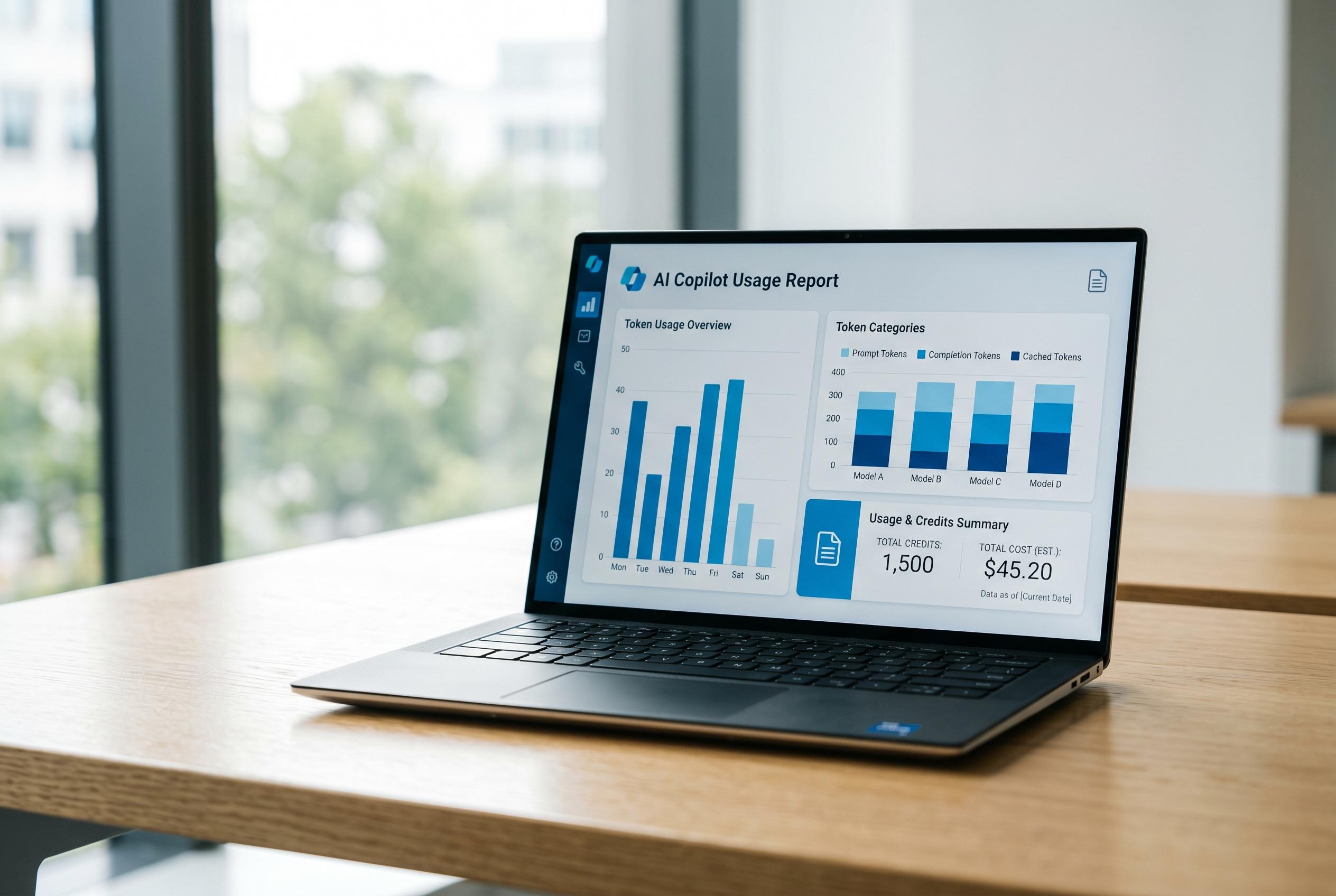

The tech giant introduces a granular token breakdown in its Copilot usage report, providing users and administrators clearer insights into AI credit consumption and associated costs, supporting better budgeting and optimisation.
GitHub has added a per-model token breakdown to its Copilot usage report, giving administrators and individual users a clearer view of how AI credits are consumed. In a changelog post, the company said the AI usage report now shows input, output, cache read and cache write tokens alongside the AI credits used for each model, making it easier to trace charges and explain them to stakeholders.
The change addresses a long-standing visibility gap in the billing report. Previously, users could see credit consumption, but not the token detail behind each charge. GitHub says the new breakdown should make it easier to identify where costs are coming from and where they might be reduced. The report can be downloaded from the AI usage page in billing settings and ties back to GitHub’s billing reports reference.
The update also fits into a broader run of changes to Copilot reporting this year. GitHub’s documentation on Copilot usage metrics shows that the company already tracks model usage, daily and weekly activity, language usage and other adoption data across dashboards and APIs. In March, GitHub changed metrics so activity that had been grouped under “Auto” is now resolved to the actual model name, improving model-level reporting. More recently, GitHub expanded Copilot app usage metrics across report roll-ups and added the app to the usage metrics API, giving administrators more complete usage data across enterprise and organisation reports.
According to GitHub, the new token breakdown is available to administrators on Copilot Business and Copilot Enterprise plans, as well as to people using Copilot for individuals. That makes the feature relevant both for enterprise budgeting and for individual users who want to understand how model choice, caching and prompt size affect usage.
Disclaimer: This content is intended for informational purposes only. Readers are advised to exercise their own judgement, conduct due diligence, or consult a qualified expert before acting on any information provided.