
US regulators have eased longstanding shipping constraints on portable lithium batteries, allowing for higher weight limits and simplified packaging, potentially transforming how battery-powered tools and systems are transported in commercial vehicles.
US regulators have eased a long-standing shipping constraint on portable lithium batteries, a change that could make battery-powered tools and worksite power systems easier to move in commercial vehicles. The Pipeline and Hazardous Materials Safety Administration, part of the Department of Transportation, has issued a 16-part rule update, with most provisions due to take effect on September 3, 2026. Industry groups say the revision is aimed at bringing transport rules into line with how contractors and technicians actually use battery equipment in the field.
The most significant change for the battery sector is HM-268C, which raises the aggregate vehicle limit for lithium batteries to 500 kg, or 1,102 pounds, from the older 200 kg threshold that had applied under general materials-of-trade limits for Class 9 hazardous materials. That matters because the earlier cap could be reached quickly when workers carried multiple batteries alongside other regulated items such as fuel or paint. PHMSA guidance and shipping documents have long treated lithium-ion batteries as regulated dangerous goods, with classification, packaging and documentation requirements that made larger mobile operations cumbersome.
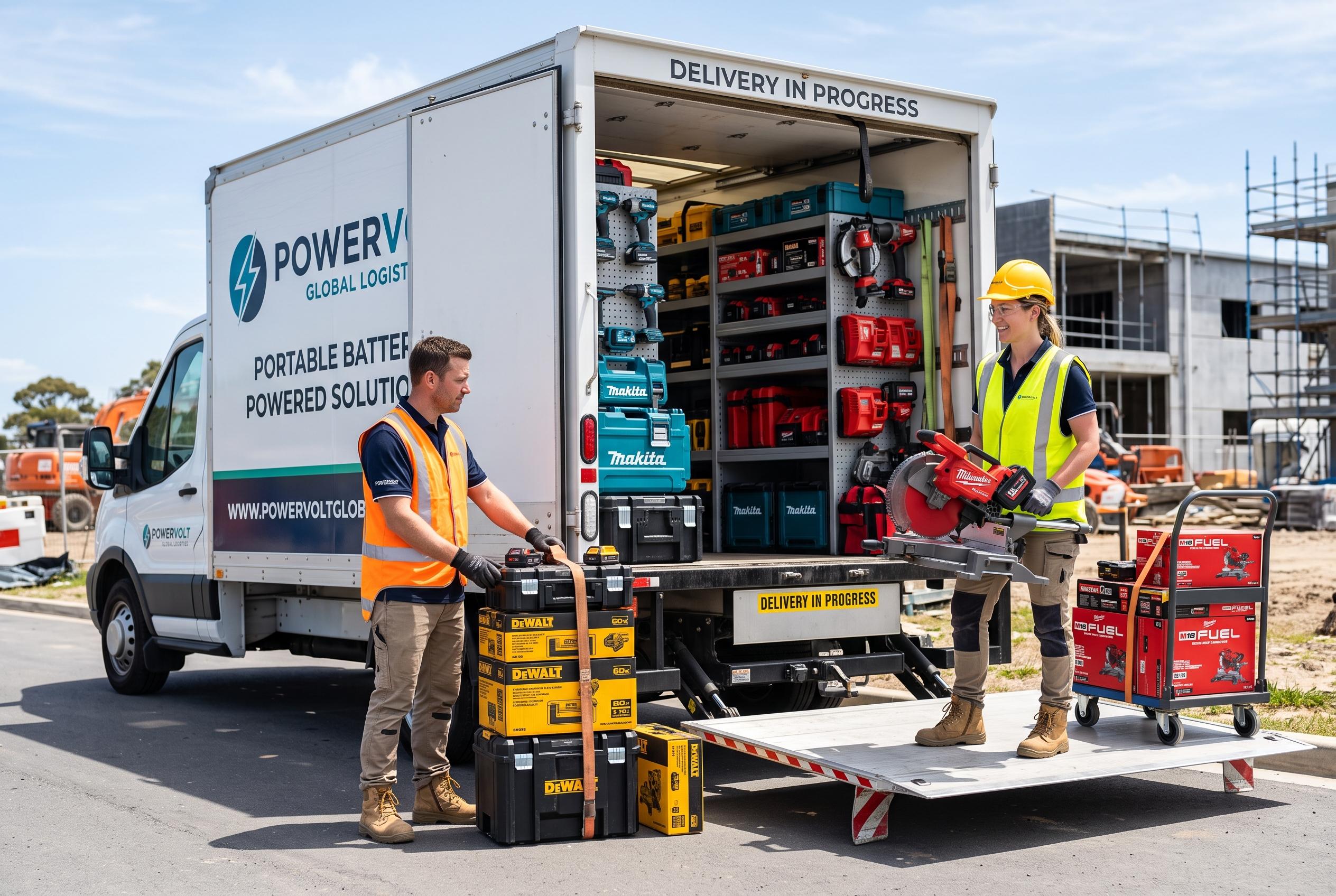
The new rule also creates practical relief for trades that rely on portable power. Workers may now carry individual spare batteries weighing up to 30 kg each, and batteries already installed in equipment no longer count towards the per-vehicle limit if they are securely fitted. In another operational change, outer packaging is no longer required if spare batteries are firmly restrained in the vehicle to prevent movement and damage. Advocates for the sector, including the Portable Rechargeable Battery Association, had argued that the old framework was out of step with modern battery use.
The Institute of Hazardous Materials Management estimates the revision could deliver $14.4 million in annualised savings for construction, landscaping and entertainment businesses. Even so, the broader market still faces a separate constraint: last week, the Federal Communications Commission blocked certification of new foreign-made inverters used in battery systems, limiting the launch of many imported products while leaving already certified models on sale. That creates a mixed policy picture for an industry that is trying to expand electrification at the same time as it navigates tighter technology and supply-chain controls. Much of the portable power market, including brands such as Anker Solix, Bluetti, EcoFlow and Jackery, is manufactured in China or other foreign countries.
Disclaimer: This content is intended for informational purposes only. Readers are advised to exercise their own judgement, conduct due diligence, or consult a qualified expert before acting on any information provided.