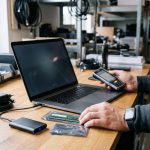

As second-hand iPhones become a cost-effective choice in 2026, buyers must evaluate battery health, repair history, IMEI status and overall condition to ensure long-term usability and avoid pitfalls.
Buying a used iPhone in 2026 can make sense for buyers who want a premium handset without paying full price, but the lower cost only matters if the device still has a long practical life ahead of it. VIVA notes that the most important checks go well beyond surface condition: battery wear, repair history, Activation Lock and network status can all determine whether a second-hand iPhone is a bargain or a problem.
The first question is whether the model still has enough life left in it. A former flagship can still be a sensible purchase, but its age, chip performance and software support should be weighed against the asking price. In practice, newer generations are usually better value if the price gap is modest, because very old models may appear cheap while offering a much shorter useful lifespan.
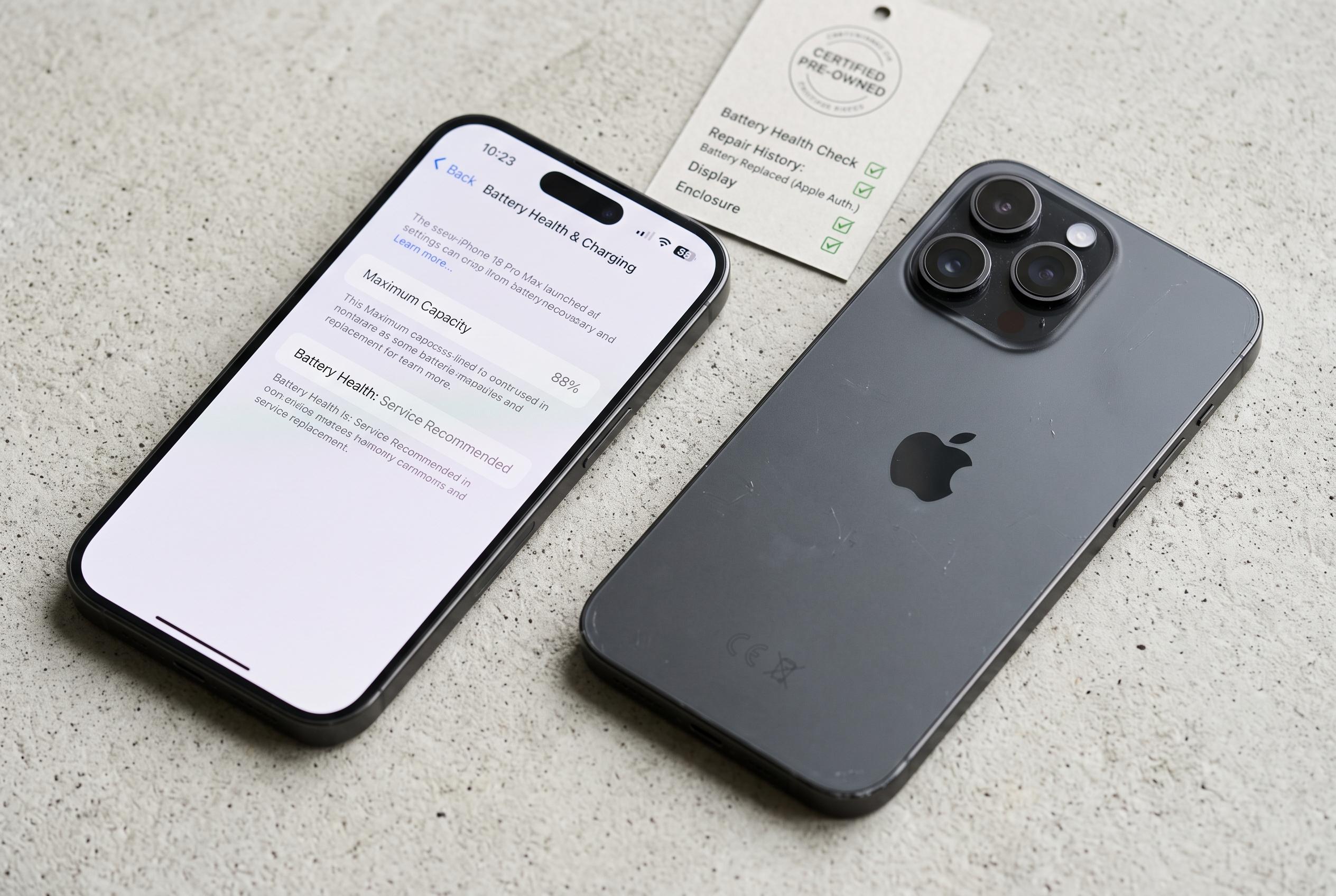
Battery condition is one of the clearest indicators of value. Apple provides Battery Health and Charging information, which shows maximum capacity and peak performance capability, and that figure should be checked before any purchase. A battery that has degraded significantly may mean extra service costs soon after purchase. Apple also offers official battery replacement, so a unit with a replaced battery is not automatically a bad choice, but the history should still be understood.
Repair records matter just as much. On supported iPhones, the Parts and Service History section under Settings and About can show whether components such as the display, battery or camera have been replaced. That does not rule out the device, but it helps buyers judge whether the repairs were minor maintenance or signs of previous damage. Other Indonesian tech guides this year have also stressed the importance of confirming the IMEI, checking iCloud or Activation Lock status, and making sure the device is not blacklisted or tied to a previous owner.
Physical inspection remains essential. Reports from several local outlets advise buyers to test the screen, buttons, cameras, signal reception and other core functions, and to be sceptical of offers that look far below market price. They also point out that unusually cheap devices may be stolen, counterfeit or repaired with non-original parts. For readers in 2026, the safest approach is simple: check the model, battery, service history, IMEI, account lock status and overall condition before paying.
Disclaimer: This content is intended for informational purposes only. Readers are advised to exercise their own judgement, conduct due diligence, or consult a qualified expert before acting on any information provided.