
Experts highlight that choosing smart home technology based on features or trends rather than actual needs can lead to ineffective systems and increased costs. Compatibility and practical setup remain key to creating a functional smart home.
Buying smart home technology because it is fashionable rather than because it fits a real need is one of the most common mistakes consumers make, according to Nikolai Pozdnikin, founder of the online retailer SmartSpace. Speaking to Gazeta.Ru, Pozdnikin said that buyers often pay for features they never use, while overlooking whether the device suits the home layout, the family’s routines and the wider system it has to work with.
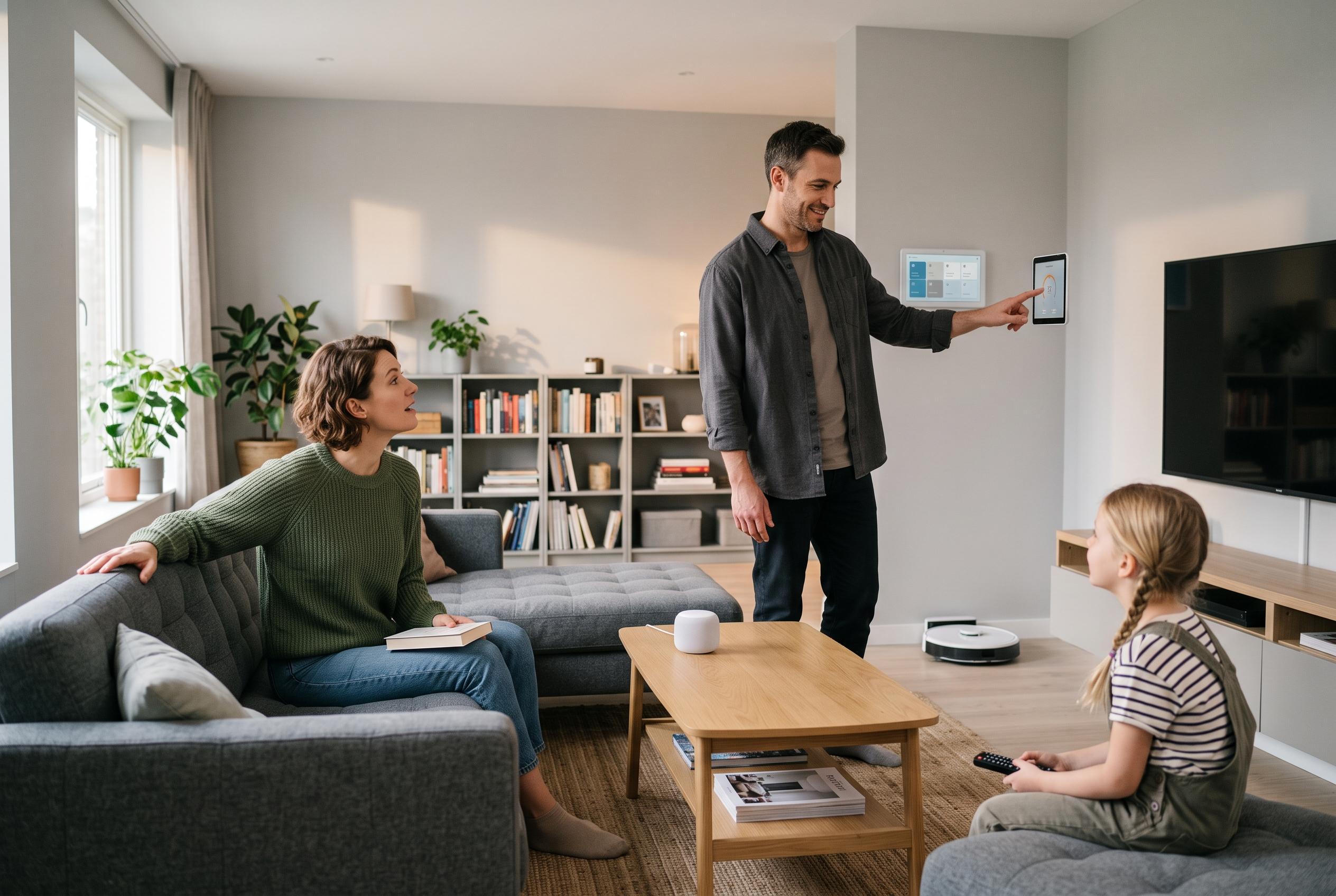
A robot vacuum, for example, may be well suited to an open-plan flat with clear floor space and few obstacles. In a home with thresholds, carpets, cables and children’s toys, Pozdnikin said, the same device can become awkward or ineffective because it requires constant clearing before each run. The same logic applies to voice assistants and smart speakers: they only become genuinely useful control hubs when there are compatible lights, sockets or appliances to manage. Without that foundation, they are little more than expensive Bluetooth speakers.
Compatibility is another major issue. Industry guides from Home Auto Central, Tom’s Guide and Gearbrain all warn that devices from different brands can behave poorly when users try to build a single ecosystem around them. Some products may need separate apps, while automation routines fail because the devices do not share the same standards or platform support. The practical result is a fragmented system that is harder to use than the one it was meant to replace.
Pozdnikin also argued that consumers should resist the pressure to buy the most heavily marketed model. He said manufacturers often load products with extra sensors, displays and operating modes, but many households do not need that level of complexity. In many cases, a mid-range device will perform the same core job at a much lower cost. That view aligns with guidance from several smart home setup specialists, who advise new buyers to begin with a small number of compatible devices and expand only after they have proved reliable in day-to-day use.
The broader lesson is that a smart home should be designed around function, not feature lists. Guides from Technygrow and EnergyWise House recommend choosing the control platform first, checking network limits and then adding devices in a deliberate order. For most households, that means starting with the most useful category, such as lighting or cleaning, and building outward only when each part works properly on its own.
Disclaimer: This content is intended for informational purposes only. Readers are advised to exercise their own judgement, conduct due diligence, or consult a qualified expert before acting on any information provided.