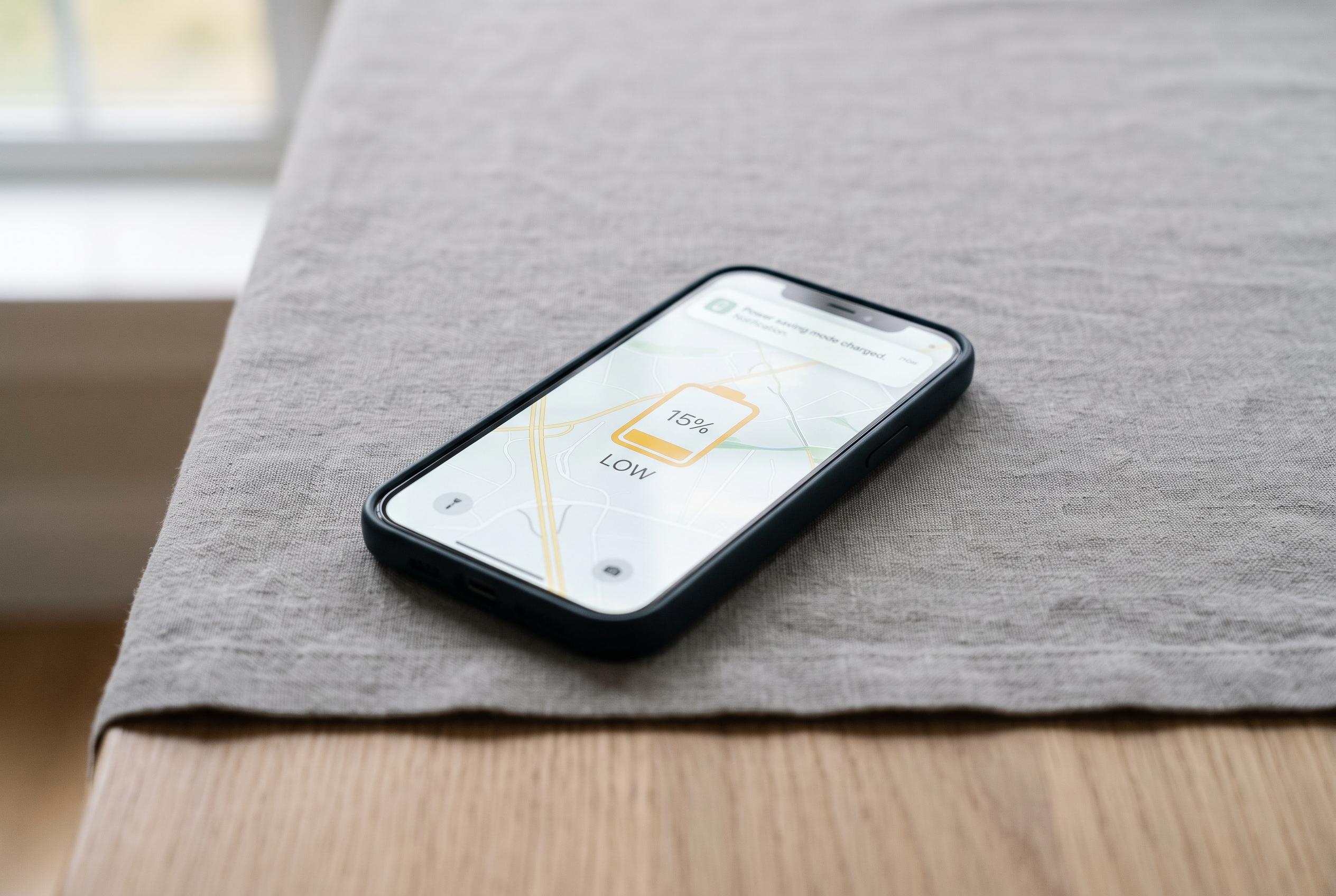

In a power outage caused by earthquakes or other emergencies, optimising your smartphone’s battery can be crucial for staying connected. Experts recommend aggressive power-saving measures to ensure your device remains functional for calls, alerts and maps when they matter most.
When an earthquake cuts power, a smartphone quickly becomes more than a convenience: it is often the main link to family, emergency services and official warnings. El Comercio advises turning on the strongest battery-saving setting available as soon as possible, because the first minutes of an outage are often when every percentage point matters.
On Android, that means opening Battery settings and selecting the most aggressive saver mode the handset allows. On iPhone, the equivalent is Low Power Mode. Kaspersky, AT&T and ITmedia all recommend the same basic approach: reduce screen brightness, shorten display time-out, switch off Wi-Fi, Bluetooth and location services when they are not needed and limit background app activity, which quietly drains power even when the phone appears idle. Wired also notes that weak signal, network congestion and repeated attempts to locate GPS can make batteries run down faster during emergencies, which is why airplane mode can help when there is no usable connection.
The point is to reserve energy for calls, messages, maps and official alerts, not for video, gaming or other heavy tasks. El Comercio also warns against sharing rumours or unverified images, since responsible communication is part of emergency response. In a prolonged blackout, a phone with a lower power draw can remain useful for far longer than one left on default settings.
Disclaimer: This content is intended for informational purposes only. Readers are advised to exercise their own judgement, conduct due diligence, or consult a qualified expert before acting on any information provided.