

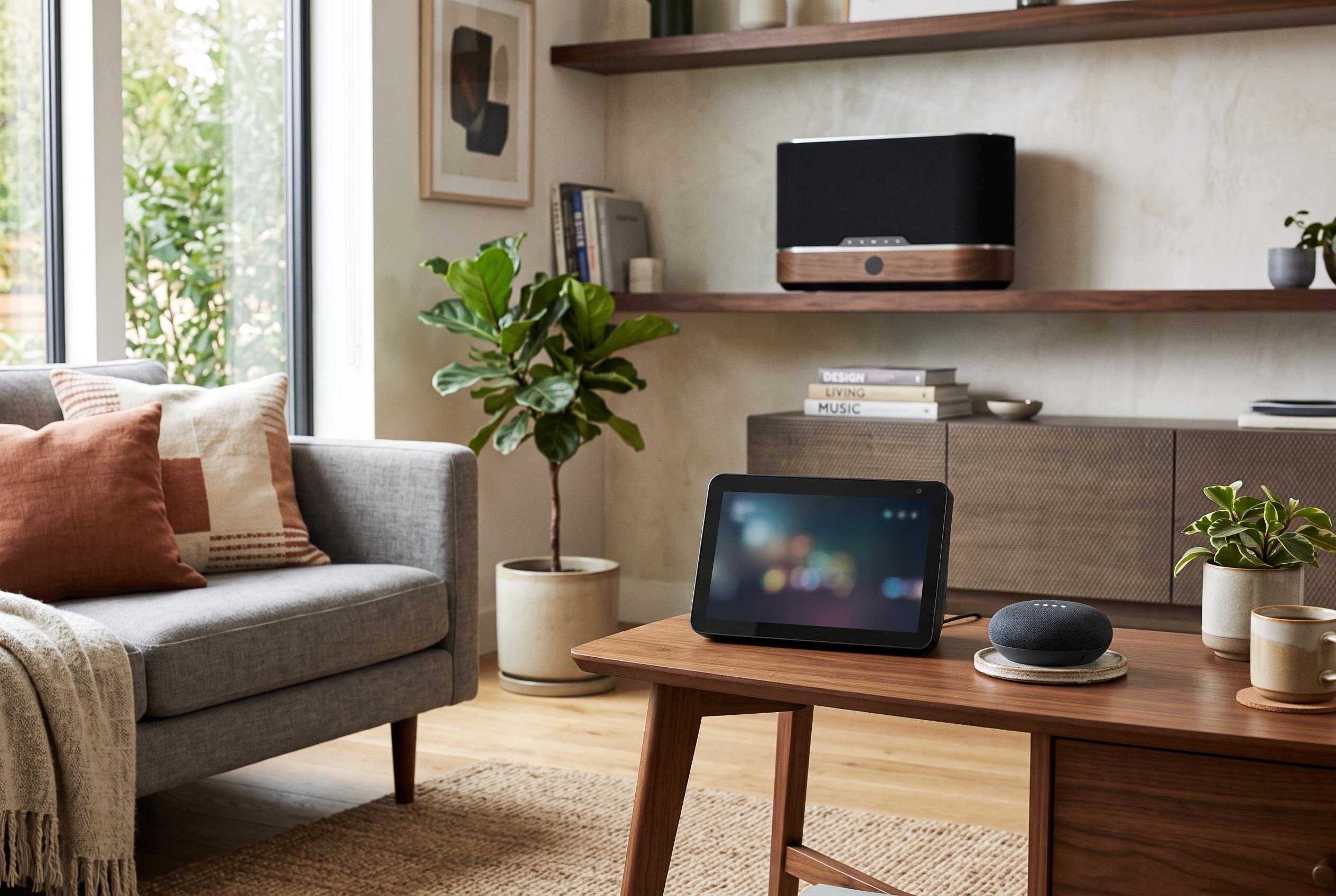

Apple’s new HomeView and HomePod mini 2 give its smart-home line-up three distinct roles, leaving buyers to choose between visual control, affordable voice assistance and higher-end audio.
Apple’s latest smart-home push gives buyers a clearer choice than before. The HomeView is the company’s first smart display, while the HomePod mini 2 refines the compact speaker formula and the standard HomePod remains the larger, pricier option for those who prioritise audio first. Taken together, the range covers screen-based control, affordable voice-led assistance and higher-end room-filling sound, with each device aimed at a different type of home setup.
Price is the simplest dividing line. Apple says the HomePod mini 2 is available to pre-order at $149.99, with shipping due to start on 30 October 2026. The HomeView is priced at $299 and is scheduled to arrive on 13 November 2026. By contrast, the current HomePod sits above both at $349, which keeps it in the premium bracket for users who want a speaker rather than a hub with a display.
The design choices also separate the products sharply. The HomeView uses a 7-inch Liquid Retina touchscreen and is sold in both wall-mounted and tabletop forms, while the tabletop version attaches the screen to a domed speaker base through a stainless steel hinge. Apple also says the display uses True Tone and adaptive brightness, dropping as low as 0.3 nits and rising to 500 nits depending on conditions. The HomePod mini 2 keeps a compact spherical footprint, with a flat top and touch controls, while the larger HomePod remains the tallest of the trio and stays screen-free.
Apple is making strong audio claims across the range, but the HomeView is the most ambitious on paper. The company says it uses custom full-range drivers, a down-firing woofer and force-cancelling passive radiators, with computational audio tuned for either tabletop or wall placement. Apple also says the device supports spatial audio. The HomePod mini 2 is positioned as a 360-degree speaker with real-time audio analysis, while the standard HomePod remains the model that Apple’s own audio positioning suggests is the most serious choice for music playback.
The HomeView adds features that the speakers cannot match. Apple says its front camera is a 12-megapixel unit used for face recognition and personalisation, allowing up to six people to see their own Home Screen and content. The same camera also supports Centre Stage for FaceTime, keeping users framed as they move. Apple is also tying the HomeView into its broader smart-home ecosystem, including iMessage, Calendar and Apple Music, plus compatibility with newer home products developed with LG and Schneider Electric.
Siri is another important dividing point. Apple says the HomeView ships with its newer Siri AI system, and that the HomePod mini 2 will gain the upgrade through a future software release. The HomePod still uses the older assistant at present. In practical terms, that means all three can handle core smart-home tasks such as timers, alarms and device control, but the newer software is meant to be more conversational and context-aware. Apple also says the devices can be linked together for Intercom and multi-room audio, while pairs of HomePod minis can be used for stereo sound and with Apple TV 4K for home cinema use.
For most buyers, the decision is therefore straightforward. The HomePod mini 2 looks like the sensible entry point for a small, relatively inexpensive smart speaker. The HomePod remains the better choice for listeners who want the strongest audio and do not need a screen. The HomeView is the most versatile product, but it is also the most specific: it is for households that want visual control, personalisation and FaceTime alongside smart-speaker duties. On paper, then, Apple has split its home hardware into three distinct roles rather than one catch-all device.
Disclaimer: This content is intended for informational purposes only. Readers are advised to exercise their own judgement, conduct due diligence, or consult a qualified expert before acting on any information provided.



