

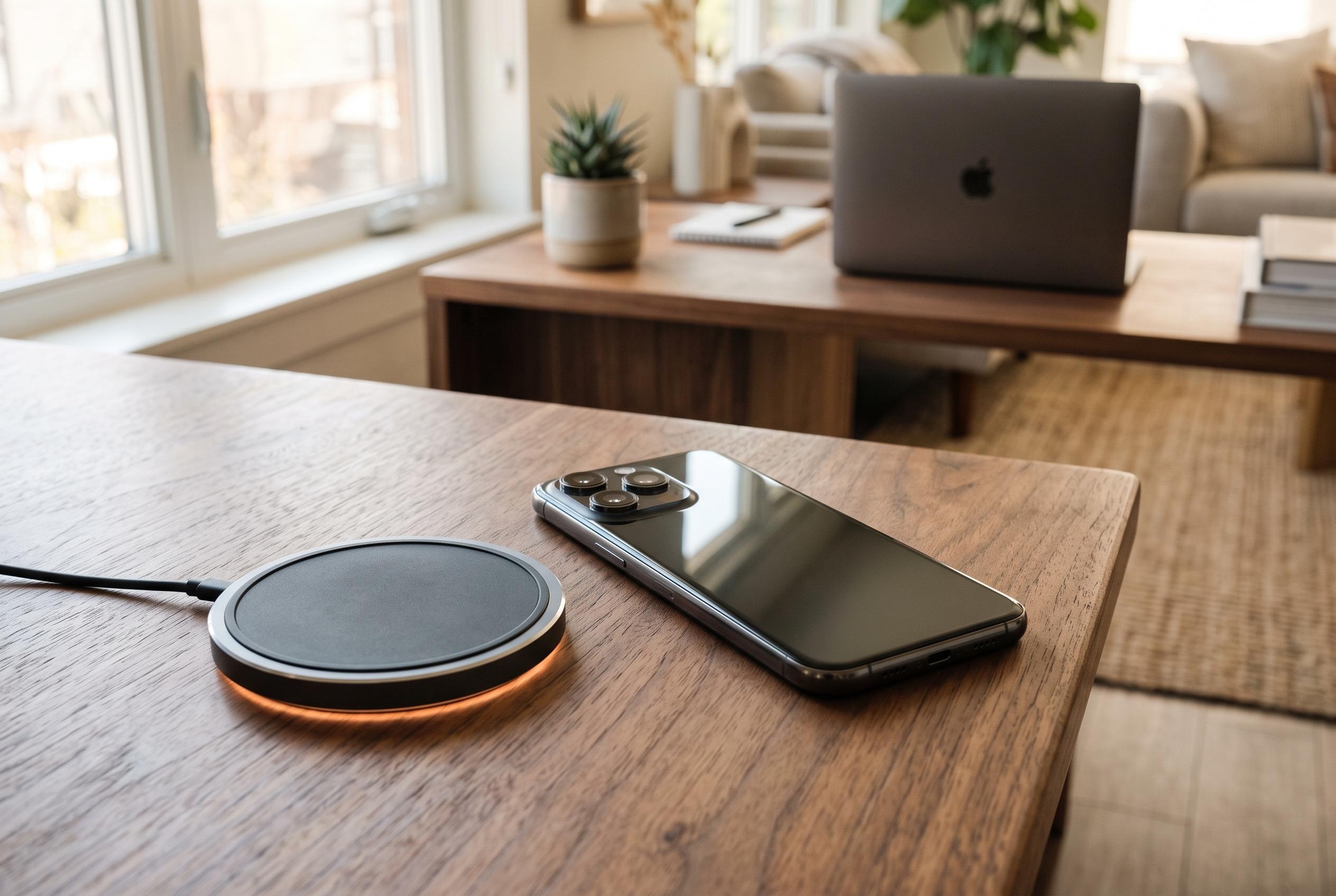

Google’s new base flagship starts at £879, but adds 256GB of storage, Qi2.2 charging, a Tensor G6 chip and more light-sensitive cameras as the company opts for refinement over reinvention.
Google’s Pixel 11 arrives as the least expensive model in the company’s new flagship line, but it is no bargain in absolute terms. TechAdvisor says the handset now starts at £879 in the UK and $899 in the US, which is £80 and $100 more than the Pixel 10 cost at launch. That rise comes at a time when the broader premium smartphone market is pushing entry prices higher, and Google has also raised the minimum storage to 256GB, making the new base model look better specified even as it becomes more costly. The practical question for buyers is less whether the phone is improved than whether the changes are enough to justify an upgrade from an older device.
On the surface, the Pixel 11 does not stray far from the design language Google established with the Pixel 9, when it replaced the earlier full-width visor with a slimmer camera bar. Android Central reported that the 2026 Pixel range was unveiled on 12 August and includes the Pixel 11, Pixel 11 Pro, Pixel 11 Pro XL and Pixel 11 Pro Fold, with Google presenting a cleaner, more refined look across the family. PetaPixel said the standard Pixel 11’s camera bar is now 40% thinner, leaving the handset close to flush when used with a Made by Google case. That is a modest but meaningful adjustment rather than a wholesale redesign, suggesting Google is relying on incremental refinement rather than a new visual identity.
Under the bonnet, the Pixel 11 reflects a more substantial generational step. According to Android Central, the phones use Google’s Tensor G6 processor, which the company says delivers about 20% gains in speed and efficiency while supporting more advanced Gemini AI processing. TechRepublic reported that the base model keeps the new 256GB starting capacity and adds Qi2.2 charging, reinforcing the sense that Google is broadening the standard specification rather than selling the entry model as a stripped-down version of its Pro siblings. The more important change for many buyers, however, may be the imaging hardware, which remains central to Google’s pitch.
Photography is again the area where Google appears to be concentrating most of its effort. PetaPixel reported that the company is promoting major camera upgrades across the line, while Digital Camera World said the Pixel 11’s 48MP main sensor is designed to be up to 56% more light-sensitive than before thanks to larger sensors. The Pro models, meanwhile, are said to move to a 50MP primary sensor and a revised 48MP telephoto unit with 5x optical zoom and up to 120x digital zoom. That places the Pixel 11 family firmly in Google’s established territory: phones that are meant to compete first on computational photography and AI-assisted features, and only secondarily on design changes.
The result is a familiar but more expensive Pixel formula. Google has added enough to make the Pixel 11 feel like a genuine next step, particularly through storage, charging, chip improvements and camera hardware. Yet the limited visual overhaul and the higher launch price mean the value case depends heavily on what is already in your pocket. For owners of a Pixel 9 or Pixel 10, the upgrades may feel evolutionary rather than essential. For anyone coming from an older handset, the Pixel 11 looks more persuasive, especially now that Google has folded more capacity into the base model from the outset.
Disclaimer: This content is intended for informational purposes only. Readers are advised to exercise their own judgement, conduct due diligence, or consult a qualified expert before acting on any information provided.



