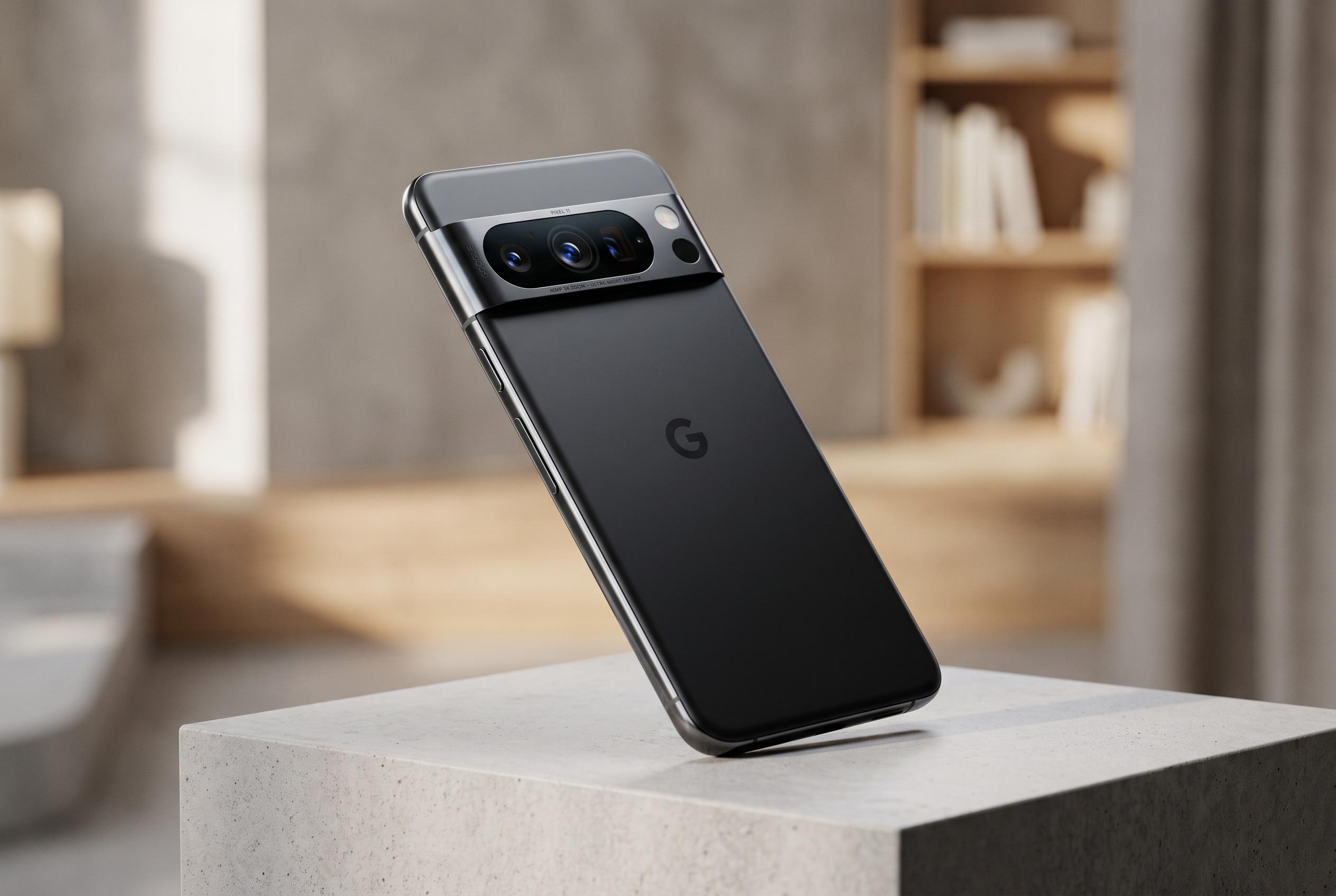

As Google prepares to launch the Pixel 11 and Pixel Watch, expectations are high for meaningful upgrades in camera technology, focusing on preserving real images rather than over-relying on generative AI features.
Google’s next Made by Google event is set for August 12, and the company is expected to unveil the Pixel 11 family alongside a new Pixel Watch. The bigger question is not the hardware itself, but whether Google uses the launch to improve everyday photography or to add more AI features that sound impressive but are awkward in practice. On the Pixel line, software has long mattered as much as the camera module, and that balance is likely to be tested again this year.
The sharpest example is zoom. Google’s current Pixel Camera page says the Pixel 10 Pro and Pro XL can reach up to 100x through Pro Zoom, while Google’s store material describes the feature as powered by the Tensor G5 chip and generative AI. In practice, that kind of extreme magnification can recover a usable image when the subject is a building or other static object, but it can also invent details that are not really there. CNET’s testing of the Pixel 10 Pro XL suggested that Google’s older Super Res Zoom often produced more natural results at lower magnification, because it sharpened and upscaled the original shot rather than reconstructing it with generative AI.
That distinction matters because the best smartphone zoom is usually the one that preserves reality rather than reimagining it. Google’s own marketing says Pro Zoom already reaches 100x, so rumours of a 120x ceiling on the Pixel 11 Pro models would be more of an escalation than a reinvention. A modest improvement to Google’s non-generative zoom pipeline, by contrast, could be more useful to most people, especially if the company extends high-quality zoom further without relying so heavily on image synthesis.
Night photography is another area where there is room for genuine gains. Google’s Pixel Camera materials highlight Night Sight as a key capability, and that remains one of the phone’s most practical strengths. Low-light photos still tend to suffer from noise, soft detail and over-brightened scenes that no longer look like night. Better AI noise reduction could help Google lift shadow detail while keeping colour and contrast believable, which would be a more meaningful advance than simply making dark scenes look brighter.
Google has also pushed AI deeper into editing. Google Photos support documentation says Pixel 8 and newer phones can use AI Enhance, while a Google Photos blog post describes text- and voice-based editing prompts through Gemini, with Content Credentials intended to show when AI has modified an image. That makes editing easier for people who do not want to adjust sliders for exposure, shadows and colour balance. It also raises the same broader question: whether Google is solving a real user problem or merely adding another layer of machine-generated transformation to a product that already does a lot of the work well enough.
The most convincing path for Google would be to keep using AI as a corrective tool, not a spectacle. Features that improve the photo people actually took, rather than replace it with something more synthetic, are likely to be more valuable for both casual users and serious photographers. If the Pixel 11 line can sharpen zoom, improve Night Sight and make editing simpler without leaning too hard into image manipulation, Google will have done something useful. If not, the company risks proving that not every AI feature belongs in a camera app.
Disclaimer: This content is intended for informational purposes only. Readers are advised to exercise their own judgement, conduct due diligence, or consult a qualified expert before acting on any information provided.