
Hatch introduces the Sleep Clock, a $249.99 device that monitors sleep through ultra-low-power radio signals, shifting the focus from passive scorekeeping to actionable sleep improvements without wearables or cameras.
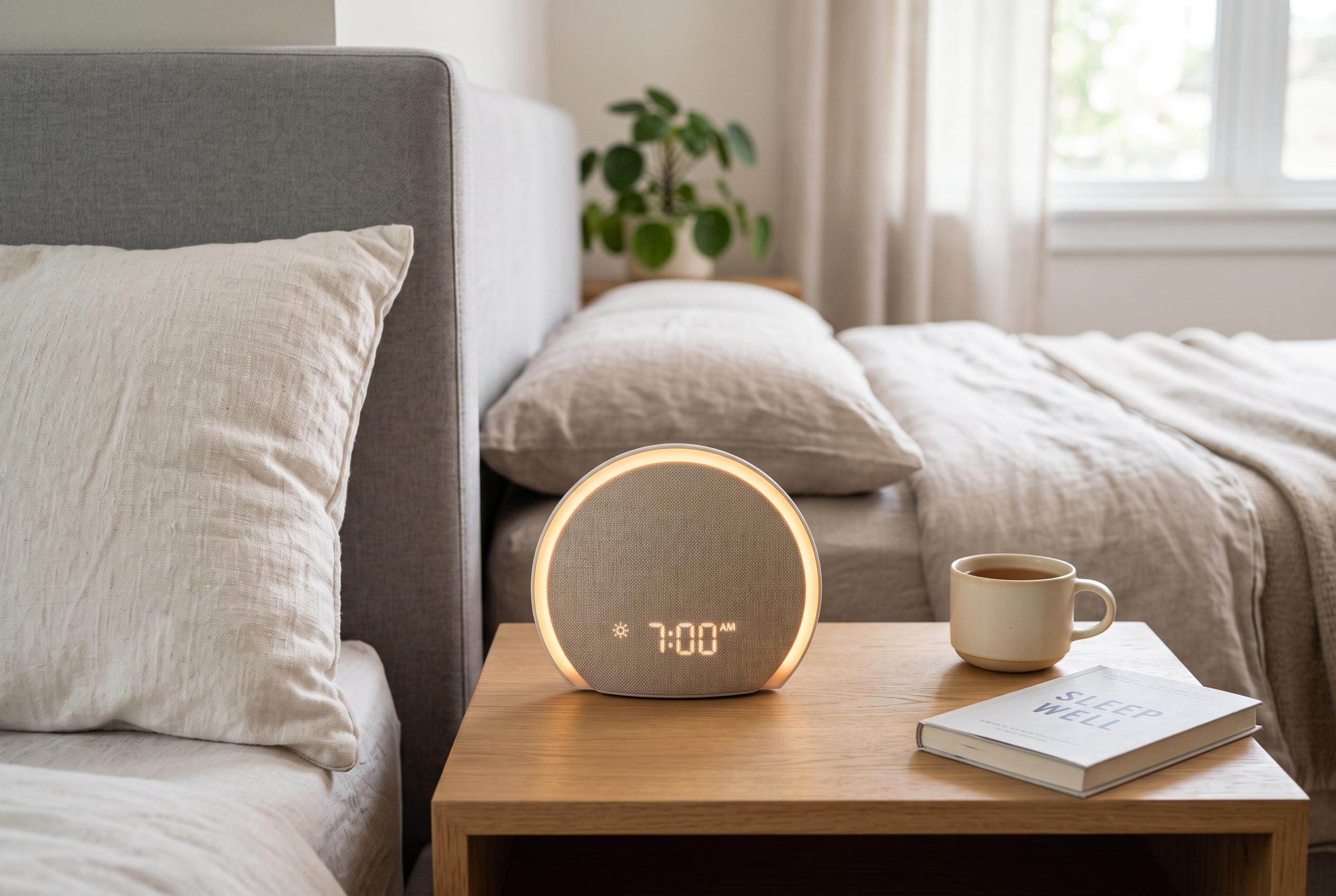
Hatch is trying to move sleep tech away from passive scorekeeping and towards behaviour change. Its new Sleep Clock, priced at $249.99, is designed to sit on a bedside table and watch how a person sleeps without using a wearable, camera or microphone. Instead, it relies on ultra-low-power radio signals to detect breathing, movement and sleep disturbances, according to the company and early product reporting.
That contactless approach matters because many consumers already know when they have slept badly, but do not always know what to change. Hatch’s argument is that a tracker should do more than label a night as good or bad. Ann Crady Weiss, Hatch’s co-founder and chief executive, said in a press release that the company wants to help people sleep better rather than simply record what happened overnight. The device is intended to learn which audio helps a user wind down and how consistent their bedtime routine is, then feed that information back into the next night’s routine.
The Sleep Clock also extends Hatch’s existing sunrise-alarm formula. The device combines wake-up light features with sleep tracking and personalised recommendations, including suggested bedtime and wake-up windows. According to T3, it can monitor sleep stages and disruptions with 97% accuracy, though that figure comes from the company’s own material rather than an independent clinical benchmark. The broader pitch is familiar for Hatch users: a screen-free setup, light and sound cues, and a gradual transition into and out of sleep.
The new product builds on the appeal of the Hatch Restore 3, which Hatch describes as a smart sleep clock for phone-free routines. The Restore 3, priced at $169.99 on Hatch’s site, offers a sunrise alarm, customisable light and sound settings and access to a large audio library. Reviews from Tom’s Guide and user feedback have praised its gentle wake-up experience and bedside design, though some users have said the companion app can be awkward to use and depends on Bluetooth and a 2.4GHz Wi-Fi connection.
Hatch is also pushing more content through its subscription service. Hatch Plus costs $6 a month or $60 a year and unlocks the full library of more than 2,500 sleep-focused tracks, including sleep stories, ASMR, music, podcasts and nature sounds. The company’s bet is that pairing that content with sleep sensing will make bedtime advice more actionable. There is also a privacy angle: for users uneasy about cameras or microphones in the bedroom, radio-based sensing is a less intrusive alternative.
Disclaimer: This content is intended for informational purposes only. Readers are advised to exercise their own judgement, conduct due diligence, or consult a qualified expert before acting on any information provided.