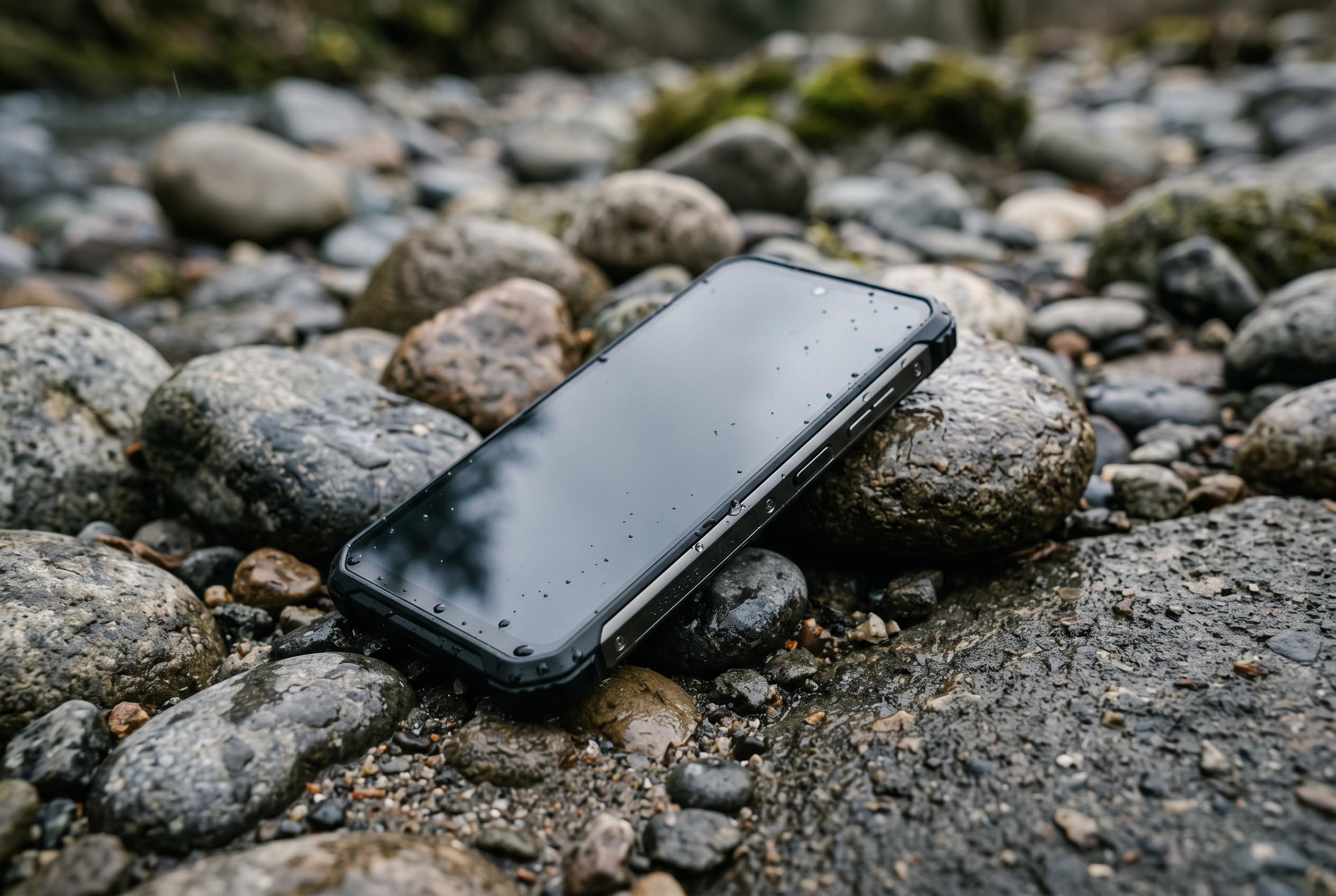

Poco launches the X8 in India, emphasising long battery life and rugged design, with IP66/IP68/IP69 certification and a 6.83-inch AMOLED display, targeting durability-focused consumers.
Poco has added a new endurance-focused model to its X-series in India, pricing the Poco X8 from Rs. 29,999 for the 6GB/128GB version, rising to Rs. 32,999 for 8GB/128GB and Rs. 35,999 for 8GB/256GB. The pitch is straightforward: this is a mid-range phone built first for battery life and toughness, with styling and features chosen to support that brief rather than chase a more polished flagship feel.
That approach is evident in the hardware. The phone uses a flat-sided, practical design, while the more important story is its protection rating and glass choice. Poco says the handset is fitted with Corning Gorilla Glass Victus 2 and carries IP66, IP68, IP69 and IP69K certification, a combination that is rare at this level and should give buyers more confidence around dust, water exposure and drops. Related coverage also notes underwater shooting support and laboratory durability testing, reinforcing the impression that this is one of the more rugged phones in its class.
The display is another strong point. The Poco X8 uses a 6.83-inch 1.5K AMOLED panel with a 120Hz refresh rate and a claimed peak brightness of 3,500 nits. Gizmochina and other launch reports add 12-bit colour, DCI-P3 coverage and eye-comfort features such as DC dimming and high-frequency PWM dimming. In practice, that should translate into a bright screen that remains usable outdoors and offers the sort of contrast and colour depth buyers usually expect from more expensive handsets.
Performance is more modest, but broadly in line with the segment. The phone runs on Qualcomm’s Snapdragon 6s Gen 4, paired with an Adreno GPU, and review testing from Free Press Journal suggests it is responsive for everyday work such as browsing, messaging and streaming. It is not aimed at heavy gaming or sustained high-load use, and that ceiling shows under pressure. Still, for a device whose main appeal lies elsewhere, the chipset appears well matched to the rest of the package.
The camera system is serviceable rather than versatile. Poco has opted for a 50-megapixel main camera with optical image stabilisation, joined by a 2-megapixel depth sensor and a 16-megapixel front camera. The main sensor should handle daylight photography competently, and OIS should help with steadier handheld shots, but the lack of a dedicated ultrawide camera is a clear omission. For buyers comparing phones in this bracket, that trade-off matters, particularly because some rivals still manage to include a more flexible secondary lens.
Software and battery life are where the Poco X8 makes its strongest case. The phone runs HyperOS 3 based on Android 16, and Poco has promised four major Android version upgrades and six years of security patches. It also includes features such as automatic app sorting and an app-finding tool, although review coverage notes that bloatware remains a drawback. The bigger draw is the silicon-carbon battery, which is rated at 8,340mAh or 9,000mAh depending on the market reporting, and is paired with 67W wired charging plus 22.5W reverse charging. However the exact regional figure is presented, the clear message is the same: this is a phone built for unusually long runtime, and that is likely to matter more to its target audience than benchmark scores or camera breadth.
Disclaimer: This content is intended for informational purposes only. Readers are advised to exercise their own judgement, conduct due diligence, or consult a qualified expert before acting on any information provided.