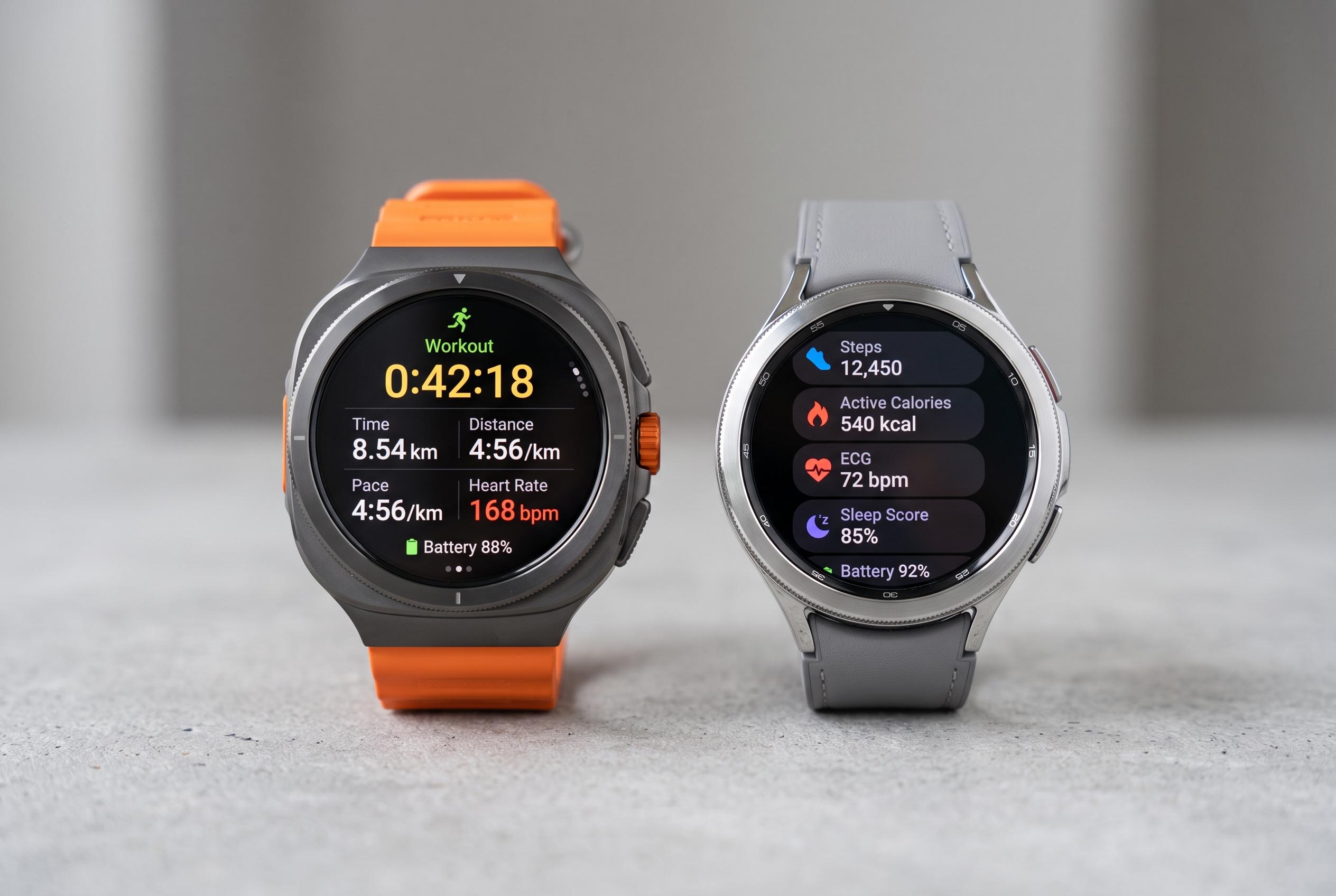

Samsung’s latest Galaxy Watch models reveal a contrast between the Ultra 2’s robust fitness features and battery longevity, and the Galaxy Watch 9’s uncertain performance, especially in sleep tracking and battery life.
Samsung’s latest watches appear to be split between promise and practicality, according to testing by The Quantified Scientist and supporting reviews from other outlets. The Galaxy Watch Ultra 2 comes across as the more mature fitness device, with stronger endurance, better location tracking and consistently high heart-rate accuracy. The standard Galaxy Watch 9 looks less settled, in part because battery constraints prevented some tests from being completed, leaving key questions unanswered.
Heart-rate monitoring is the clearest strength. The Quantified Scientist recorded near-perfect correlation scores for the Ultra 2 during indoor cycling and running, and the regular Watch 9 also performed well in cycling tests before battery life cut the review short. Wareable’s review of the Ultra 2 similarly praised its heart-rate performance, particularly in indoor cycling, suggesting Samsung has made meaningful progress in one of the most important smartwatch metrics.
Sleep tracking is less convincing. Both watches delivered only moderate results, with better alignment on deep and REM sleep than on light sleep. The watches also tended to overstate sleep duration, which can distort the wider picture for users who rely on overnight data to judge recovery. That makes them useful for trends, but not especially authoritative if sleep staging is a priority.
GPS is another area where the Ultra 2 clearly leads. The watch’s dual-band satellite support helps it hold its line in difficult environments, making it a stronger choice for runners, cyclists and hikers. Samsung says the Ultra 2 also supports route files for planned outdoor sessions, reinforcing its positioning as a device for serious exercise and navigation. The Watch 9’s GPS could not be fully assessed in the review because of battery issues.
Battery life may end up being the deciding factor for many buyers. PhoneArena’s hands-on testing suggested the Ultra 2 can approach 72 hours in typical use, while Samsung’s own materials and other reviews indicate the watch is built for extended outdoor sessions and tough conditions. By contrast, the Watch 9 struggled to survive a full night of sleep tracking and a morning run in The Quantified Scientist’s testing. Taken together, the evidence suggests the Ultra 2 is the safer pick for users who want dependable all-day monitoring, while the Watch 9 still needs more testing before it can be judged in full.
Disclaimer: This content is intended for informational purposes only. Readers are advised to exercise their own judgement, conduct due diligence, or consult a qualified expert before acting on any information provided.