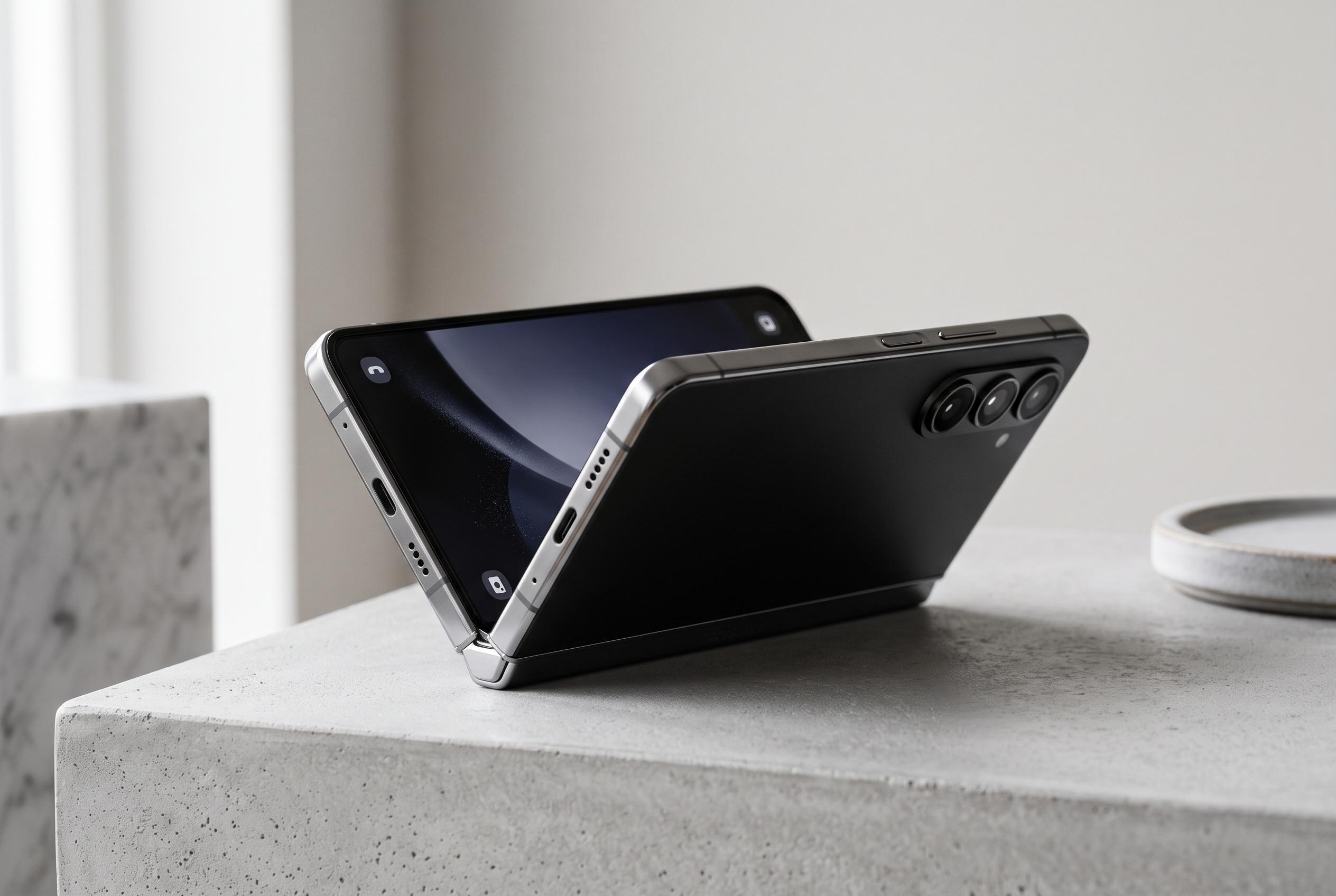

Samsung is uniting its foldable design with high-end performance and market traction, setting a new direction in the evolving ultra-premium smartphone landscape as rivals like Apple prepare their next flagship.
Samsung’s next ultra-premium phone battle is shaping up as a contest between two very different ideas of what a flagship should be. PhoneArena says the expected iPhone Ultra and Samsung’s Galaxy Z Fold 8 are likely to target the same high-spending buyers, but with different priorities: Apple’s phone is being framed as a conventional top-end slab handset, while Samsung is leaning on the foldable format to offer a larger display in a pocketable body.
That difference matters because the Galaxy Z Fold 8 is not just a bigger screen. Reviews from TechRadar and Digital Camera World describe it as a more compact foldable than earlier models, with a 7.6-inch inner display, a 5.5-inch cover screen and a design that tries to balance portability with tablet-style multitasking. Samsung has also pushed performance, with the device using a Snapdragon 8 Gen 5-class chip, up to 16GB of RAM and a 4,800mAh battery, although reviewers have still flagged the high price and limited battery headroom as potential drawbacks.
Cameras may prove one of the clearest dividing lines. Tom’s Guide says the Galaxy Z Fold 8’s camera system is strong for a foldable, but still falls short of Samsung’s own best camera phones, particularly in low light, telephoto range and portrait work. The publication’s testing found the standard ultra model retained an edge thanks to a wider aperture and more flexible zoom hardware. PhoneArena’s comparison suggests Apple’s iPhone Ultra would arrive with a simpler dual-camera array, which could make Samsung the more versatile option on paper, even if the iPhone remains the safer bet for buyers who prefer a familiar design and a less compromised camera package.
Samsung’s wider foldable push also appears to be gaining traction. T3 reported that pre-orders for the 2026 foldable line rose sharply versus last year, with the standard Galaxy Z Fold 8 accounting for a large share of demand. That points to a market that is still niche but becoming more credible, helped by a design that some buyers see as more practical than the larger Ultra variant. SamMobile says the Fold 8 Ultra launched on July 22 at $2,099.99 in the US, underlining how aggressively Samsung is pricing its top-tier foldables.
The broader picture is that both companies are still defining what an “ultra” phone should be. Apple is expected to emphasise refinement, battery life and software continuity, while Samsung is betting that a foldable can feel like a genuine productivity device rather than a novelty. For now, the Galaxy Z Fold 8 looks set to be the more experimental product, and the iPhone Ultra the more conservative one.
Disclaimer: This content is intended for informational purposes only. Readers are advised to exercise their own judgement, conduct due diligence, or consult a qualified expert before acting on any information provided.