
FarseerTech, founded by former DJI engineers, unveils RocXZoom, a handheld robotic camera capable of tracking fast-moving subjects at speeds of up to 45 mph, potentially revolutionising wildlife and sports photography while navigating recent US restrictions on foreign drone technology.
A start-up founded by former DJI engineers has opened a Kickstarter pre-launch page for a handheld robotic camera that it says can identify and lock on to moving birds, animals or athletes in 0.01 seconds, then follow them at speeds of up to 45 mph across a 2,000mm equivalent zoom range. If the production version performs as claimed, the device could address a long-standing problem for wildlife and sports photographers who struggle to keep fast, distant subjects framed and centred.
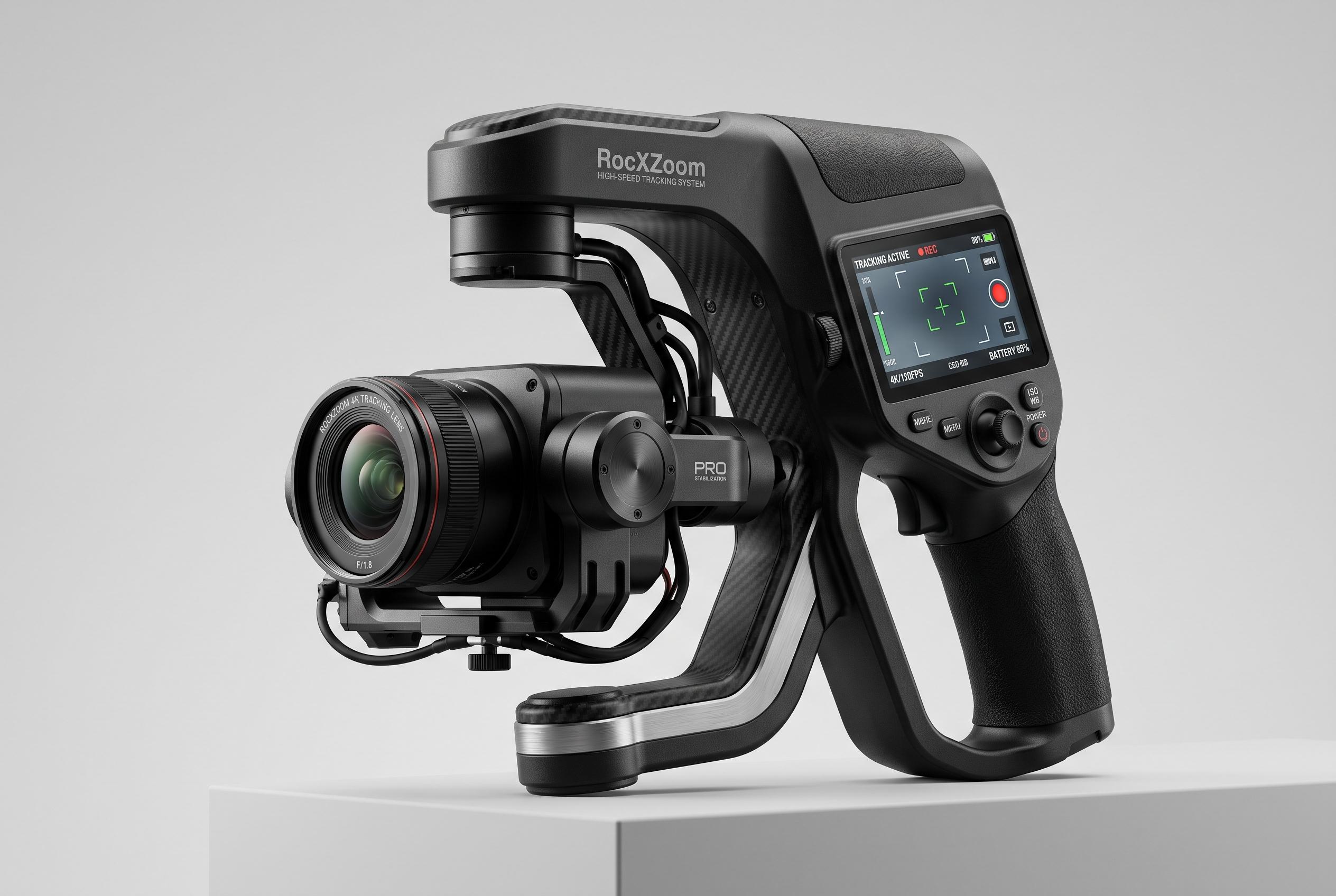
The company, FarseerTech, says its RocXZoom combines a 50x hybrid zoom lens, a motorised pan-tilt head and on-device computer vision in a 400g body priced from $449 for early backers. Its engineers previously worked on some of DJI’s best-known imaging products, including the Inspire drone line, Osmo Pocket and Ronin 4D. That background matters because DJI’s new products have been effectively shut out of the US market after the FCC placed the company on its Covered List in December 2025, a move reported by The Verge and later reflected in wider coverage of the ban on foreign-made drones.
FarseerTech describes the tracking system as a closed loop: vision software locates the subject, a PID controller turns that signal into motor commands, and the camera physically pans and tilts to keep the target in frame while the zoom adjusts to hold composition. The company says the system can recognise more than 300 animal species, alongside people and custom targets. A CES 2026 demonstration reportedly showed the prototype tracking a fake bird mounted on a remote-controlled vehicle, which suggests the hardware works in controlled conditions, though not yet in the unpredictability of the field.
The optics and sensor choice also reveal the product’s trade-offs. The camera uses a 1/2.5-inch sensor, which helps keep the body compact enough for a side pocket but limits low-light performance compared with larger sensors found in premium mirrorless and bridge cameras. The 2,000mm equivalent figure is achieved through a mix of optical and digital zoom, so image quality at maximum reach will depend heavily on software upscaling. The specification list also points to a practical rather than cinematic tool: 4K recording at 30fps, 1080p at up to 60fps, a 5-inch OLED screen, IP54 resistance, Wi-Fi, Bluetooth and a four-hour battery rating.
The timing also places FarseerTech in a complicated market position. DJI has been defending itself publicly since the FCC action, and Tom’s Hardware reported that an independent security audit commissioned by DJI found no critical, high or medium-risk vulnerabilities in two of its drones. Even so, the broader US restriction remains in place for new DJI products. FarseerTech is a separate company and its camera is not a drone, but any backer would still need clarity on delivery timing, independent image samples, app data handling and the legal structure behind the business before treating the launch as more than an ambitious prototype.
Disclaimer: This content is intended for informational purposes only. Readers are advised to exercise their own judgement, conduct due diligence, or consult a qualified expert before acting on any information provided.