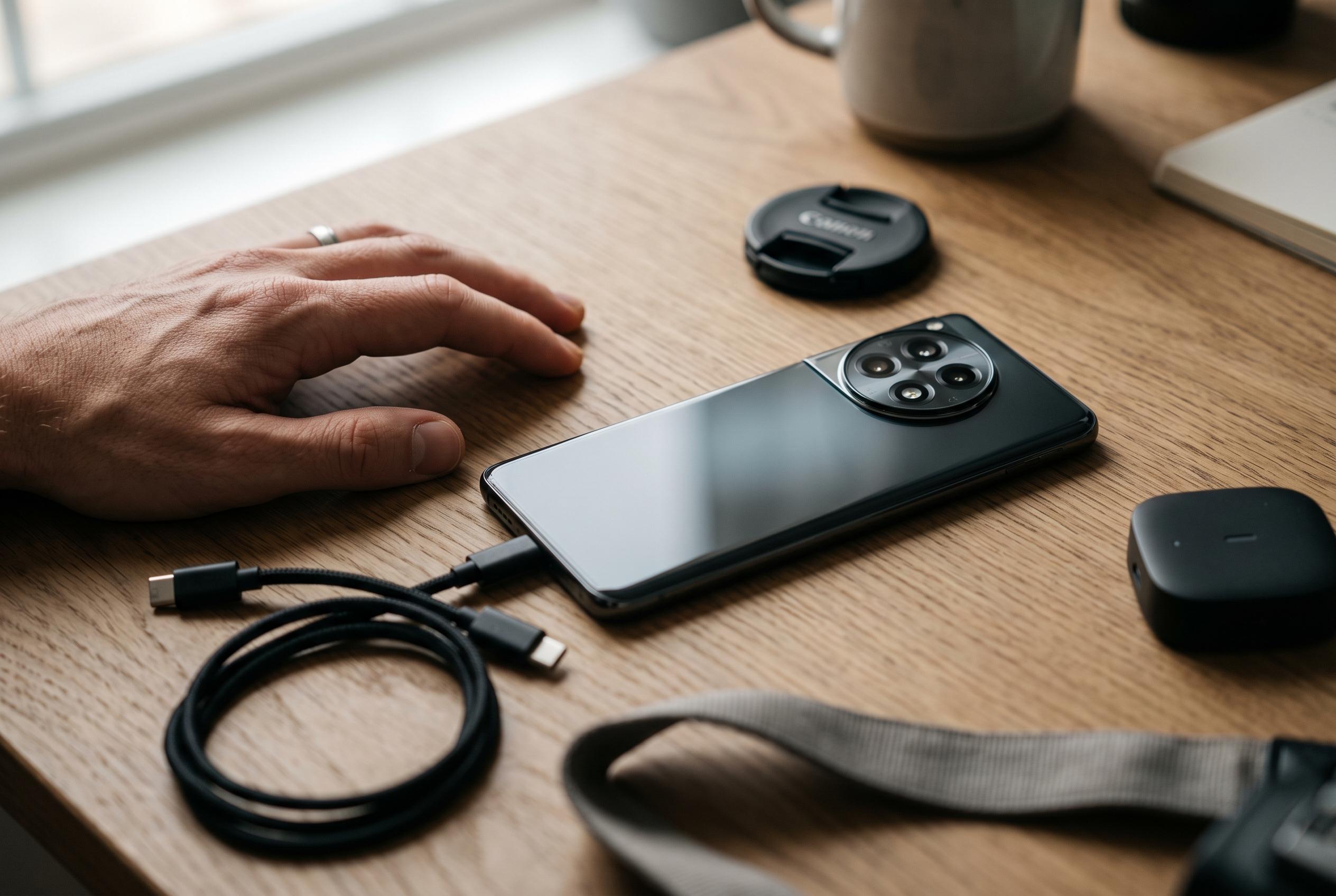

The POCO F9 Ultra arrives as a refresh rather than a revolution, featuring a 200MP main camera, larger battery, and improved display brightness, positioning itself as a stronger value flagship for 2026.
Xiaomi’s POCO F9 Ultra arrives as a familiar sequel rather than a wholesale reinvention. According to Android Central’s review, the new model keeps the same 6.9-inch AMOLED display size, the Snapdragon 8 Elite Gen 5 platform and the brand’s emphasis on high-end specifications at aggressive pricing. The main changes are concentrated in a larger battery, a higher-resolution main camera and updated memory options, with the phone positioned as a stronger value flagship for 2026.
On design, the two phones are closer than they are different. Both use aluminium sides, a fibreglass rear and IP68 protection, while the display glass remains Gorilla Glass 7i. Android Central notes that the F9 Ultra abandons the denim-style finish seen on some F8 Ultra variants in favour of a more polished exterior. The trade-off is size and weight: the newer handset is thicker and heavier, which reflects its larger battery but also makes it less trim in the hand.
The clearest display upgrade is on refresh rate and brightness. The F8 Ultra uses a 120Hz AMOLED panel with peak brightness rated at 3,500 nits, while the F9 Ultra raises that to 185Hz and 4,500 nits, according to the specifications published in the comparison reports. That should make motion look smoother and outdoor visibility easier, although the practical benefit will depend on software support and the type of content being viewed. The rest of the panel specification remains unchanged, including the 1200 x 2608 resolution and support for HDR10+ and Dolby Vision.
Cameras are where the specification sheet changes most sharply. The F8 Ultra uses a 50MP main sensor, paired with 50MP telephoto and 50MP ultrawide modules. The F9 Ultra replaces the main camera with a 200MP unit, while keeping the same 50MP telephoto and ultrawide hardware, plus the same 32MP selfie camera. That suggests Xiaomi is pushing harder on detail capture from the primary sensor rather than redesigning the whole imaging system. Video recording still tops out at 8K at 30fps.
Battery life is the other major step forward. The F8 Ultra has a 6,500mAh cell, whereas the F9 Ultra increases capacity to 8,050mAh. Android Central says the larger silicon-carbon battery can last up to two days, which would be a notable gain if repeated in everyday use. Charging speeds are unchanged at 100W wired, 50W wireless and 22.5W reverse wireless, so the newer model improves endurance more than refill times.
Support and connectivity are broadly the same. Both phones ship with HyperOS 3 based on Android 16, and Xiaomi is promising four major Android upgrades plus six years of security patches. Wi-Fi 7, Bluetooth 6.0, NFC, stereo speakers and an ultrasonic fingerprint reader also return. In price terms, the F9 Ultra is already appearing above the F8 Ultra in several markets, which means the upgrade case depends on priorities: users wanting longer battery life, a brighter screen and a better main camera have the strongest reason to move up, while F8 Ultra owners whose needs are already met may find little else has changed.
Disclaimer: This content is intended for informational purposes only. Readers are advised to exercise their own judgement, conduct due diligence, or consult a qualified expert before acting on any information provided.