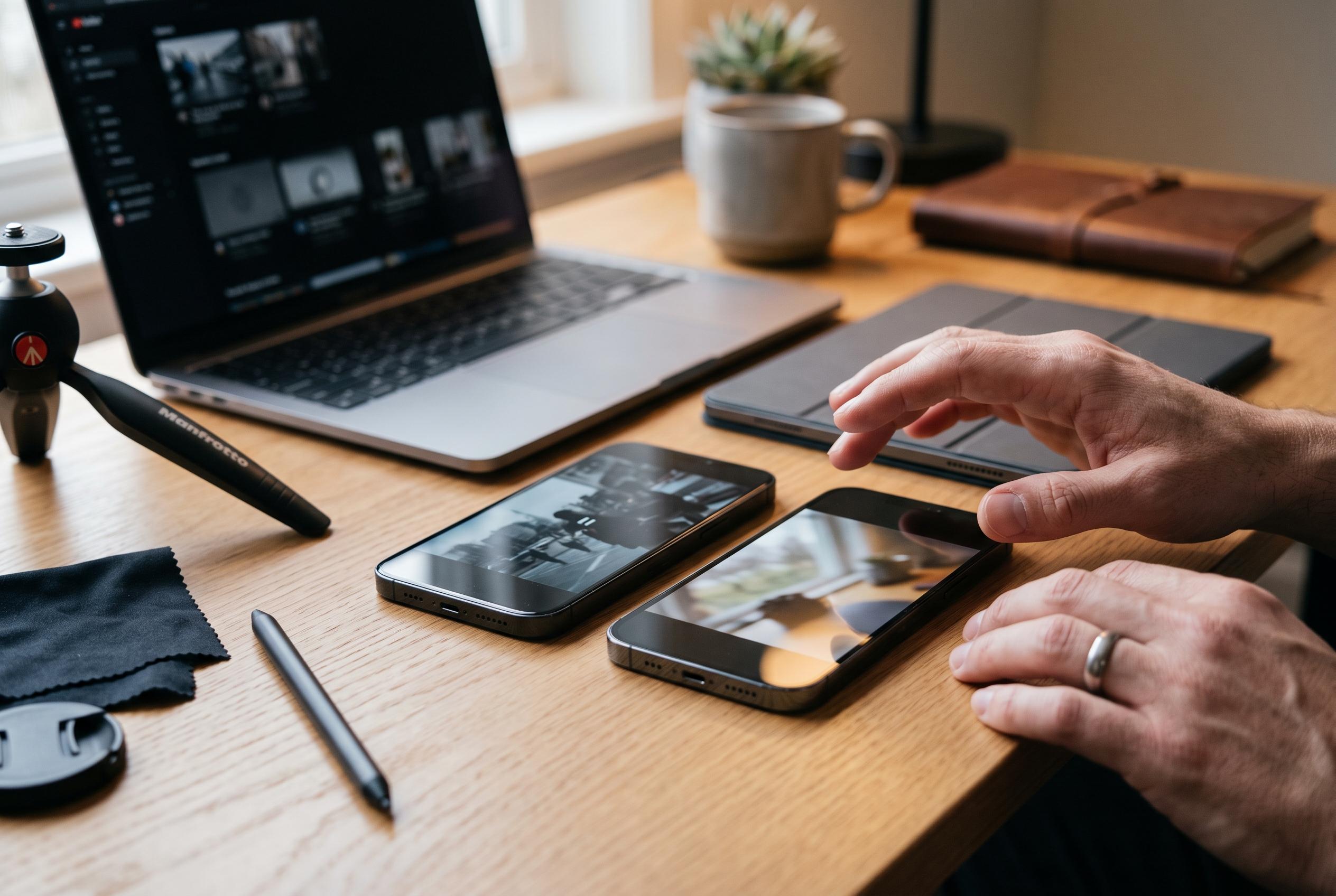

The iPhone 18 Pro introduces a manual ‘save frame as photo’ feature for precision editing, while Google’s Pixel 11 Pro leverages AI with ‘Magic Capture’ to automate still image extraction, signalling a shift in mobile photography approaches.
A hands-on comparison between the iPhone 18 Pro and the Pixel 11 Pro has highlighted two sharply different approaches to one of smartphone photography’s most common frustrations: turning video moments into sharp still images. As Tom’s Guide reported, both phones are designed to solve the familiar problem of missing a child’s expression or a pet’s movement and then having to rely on a screen grab, which usually leaves the result soft and compromised.
Google’s answer on the Pixel 11 Pro is “Magic Capture”, a camera mode built around automated selection. The user records a short clip, limited to around two minutes, and Google’s AI then scans the footage to choose the strongest frames. Tom’s Guide said the phone first presents a single image, then expands to as many as five stills after processing. Android Central’s review described the feature as especially useful for fast-moving scenes, such as children and animals, and said it is aimed at producing high-quality HDR+ photos with minimal effort.
Apple, by contrast, has taken a more manual route in iOS 27. Tom’s Guide reported that the iPhone 18 Pro adds a “save frame as photo” option in the Photos app, allowing users to record any length of video and later extract a full-resolution still from the exact frame they want. The method gives users more control and avoids the habit of taking screenshots, which can reduce quality. Apple also keeps the process on-device, which makes the feature more attractive to users who prioritise privacy and do not want video analysis sent elsewhere.
The trade-off is clear. The Pixel 11 Pro is the easier option for people who want the phone to do the work, while the iPhone 18 Pro suits those who prefer precision and do not mind a little extra effort. TechRadar has also reported that iOS 27 may be laying the groundwork for more professional camera tools, including manual focus features and focus aids, suggesting Apple is trying to push the iPhone further into serious imaging territory. Taken together, the two approaches show that the old workaround of filming first and screenshotting later is finally being replaced by more practical tools.
Disclaimer: This content is intended for informational purposes only. Readers are advised to exercise their own judgement, conduct due diligence, or consult a qualified expert before acting on any information provided.